
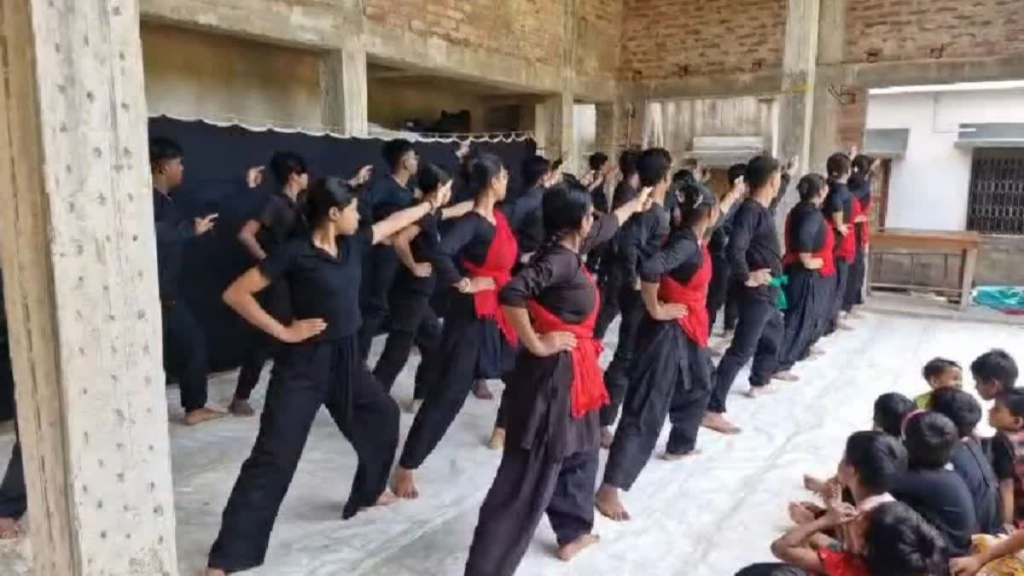
A mime teacher in West Bengal is drawing attention for sharing the art of silent expression with underprivileged children while accepting just ₹1 as guru dakshina. His approach highlights the importance of making art and cultural education accessible to children from financially disadvantaged backgrounds.
Art Beyond Words
Mime is a performing art that uses facial expressions, gestures and body movements to communicate stories and emotions without spoken dialogue. For children, learning the art can offer an opportunity to explore creativity, build confidence and express themselves through performance.
A Teacher’s Commitment to Young Learners
The teacher’s decision to accept only ₹1 as guru dakshina reflects a focus on sharing knowledge rather than making financial gain the priority. The gesture also draws attention to the traditional relationship between teachers and students, in which gratitude and respect hold special importance.
Making Art More Accessible
For many children from underprivileged families, access to formal arts training can be limited by financial constraints. Initiatives that make creative learning more affordable can help young learners discover their talents and participate in cultural activities.
The Value of Guru Dakshina
Traditionally, guru dakshina is an offering made by students to their teachers as a mark of gratitude. In this case, the symbolic ₹1 payment offers a reminder that teaching can be about more than money. It can also be about nurturing talent, preserving artistic traditions and creating opportunities for the next generation.
The teacher’s initiative highlights how a commitment to the arts can help make creative education more accessible and inspire children to explore their potential.