
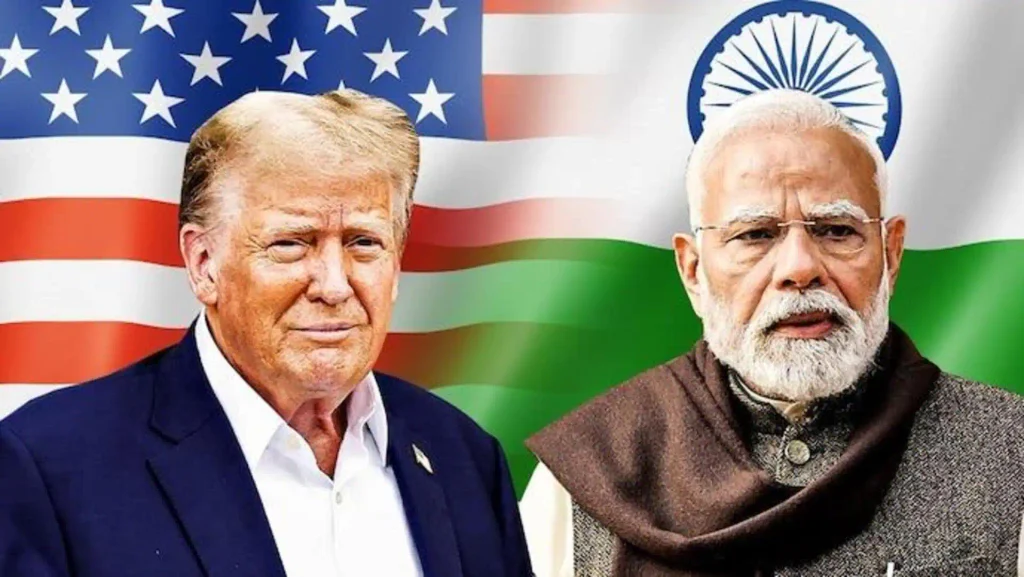
A new development in US trade and sanctions policy has put India under the spotlight after the US House of Representatives advanced legislation that could allow tariffs of up to 100% on countries purchasing Russian oil and gas.The legislation, known as the Lindsey O. Graham Sanctioning Russia and Iran Act of 2026, cleared a key procedural hurdle in the House by a 214-211 vote. The measure now moves toward a final House vote.
India has been specifically named in a House amendment alongside other countries that could face the proposed secondary tariffs because of continued purchases of Russian energy. The measure is part of a broader effort to increase economic pressure on Russia.
The proposal does not mean that a 100% tariff on Indian goods has already taken effect. It would provide the US president with authority to impose tariffs of up to that level under specified circumstances, subject to the legislation becoming law.
The issue is significant for India because Russian crude has become an important component of the country’s energy sourcing. New Delhi has previously said that its oil purchases are guided by energy requirements and that India sources crude from multiple countries.
The legislation also includes wider sanctions targeting Russia and Iran. Supporters of the bill say stronger economic measures could increase pressure on Moscow, while critics in Congress have raised concerns about the breadth of presidential tariff powers and potential effects on trade and consumers.
For India, the next key development will be the House’s final consideration of the legislation and what happens afterward in the US legislative process.
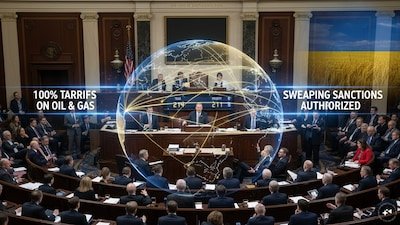
The proposed legislation is aimed at countries that continue to purchase Russian energy. India and China are among the major buyers of Russian crude, making them central to discussions surrounding the proposed secondary tariffs.Under the legislation, the US president could receive expanded authority to impose tariffs of up to 100% on major purchasers of Russian oil or natural gas. The exact tariff applied to a particular country would depend on the provisions ultimately enacted and subsequent US government action.
Importantly, the 100% tariff is not currently an active tariff on Indian goods. The legislation still has to complete the US congressional process and become law before the proposed authority could be exercised.
The legislation goes beyond tariffs. It proposes additional sanctions targeting Russia’s leadership, energy sector and vessels accused of helping circumvent existing sanctions. The bill also contains provisions related to sanctions on Iran.
US supporters of the legislation argue that reducing revenue from Russian energy exports could increase economic pressure on Moscow. Critics, meanwhile, have raised concerns about granting the president broad authority to impose tariffs and the possible consequences for American consumers and international trade.
The legislation has already cleared the US Senate, which passed it 86–11 in August. Its next major step is consideration by the full House. If the House passes the legislation, it would proceed through the remaining legislative process before potentially reaching the President for signature.
For India, the development could become significant for US-India trade, energy imports and bilateral economic relations if the proposed tariff authority ultimately becomes law and is used against countries buying Russian energy.The situation remains subject to further congressional action and decisions by the US administration. A House advance should therefore not be described as the immediate imposition of a 100% tariff on India.