
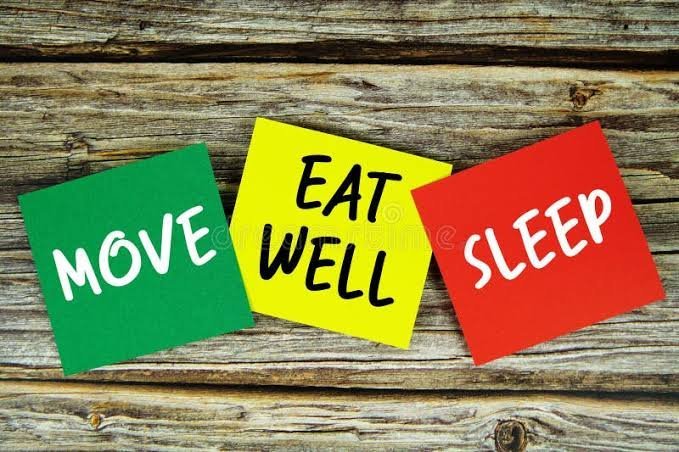
Being physically active is only one part of staying healthy. Your body also needs the right combination of foods and fluids to support movement, recovery, energy and everyday wellbeing.
You don’t need a complicated diet or a strict meal plan to eat well. A few consistent habits—choosing nutritious foods, drinking enough water and creating balanced meals—can make it easier to stay active and feel your best.
Why Nutrition Matters When You Exercise
Physical activity increases the demands placed on your body. Your muscles need energy to work, and your body needs nutrients to repair and maintain tissues.
Eating a varied diet can help provide carbohydrates, protein, healthy fats, vitamins, minerals and other nutrients needed for normal body function.
The goal isn’t simply to eat more because you exercise. It is to choose foods that provide useful nutrition and fit your individual energy needs.
Build Balanced Meals
One simple approach is to include different food groups throughout the day rather than relying heavily on one type of food.
A balanced meal can include:
- Vegetables or fruit
- Whole grains or other nutritious carbohydrate sources
- Protein-rich foods
- Dairy or suitable alternatives
- A source of healthy fats
The exact portions will vary depending on your age, body size, activity level, health needs and personal goals.
Instead of trying to make every meal perfect, focus on creating a balanced pattern of eating over time.
Choose Foods Rich in Nutrients
Not all calories provide the same nutritional value.
Make nutrient-rich foods the foundation of your meals. These can include vegetables, fruits, whole grains, beans, lentils, nuts, seeds, lean proteins, seafood and dairy or fortified alternatives.
At the same time, limit foods that are frequently high in added sugars, excess sodium and unhealthy fats.
This doesn’t mean you have to eliminate your favourite foods. Enjoying treats occasionally can fit into an overall healthy eating pattern.
Give Your Body Quality Carbohydrates
Carbohydrates are an important source of energy, particularly during physical activity.
Useful carbohydrate sources include:
- Oats
- Brown rice
- Whole-grain bread
- Whole-grain pasta
- Potatoes and other starchy vegetables
- Beans and lentils
- Fruits
Choosing whole-grain options more often can also increase your intake of fibre and other nutrients.
If you are active, carbohydrates can be especially useful before and after exercise because they help supply energy and replenish energy stores.
Include Protein Throughout the Day
Protein plays an important role in maintaining and repairing body tissues, including muscles.
You can obtain protein from many different foods, such as:
- Fish and seafood
- Eggs
- Chicken and other lean meats
- Milk and yogurt
- Beans and lentils
- Chickpeas
- Tofu and other soy foods
- Nuts and seeds
You don’t have to rely on meat to get enough protein. Combining a variety of plant-based protein sources can be part of a nutritious eating pattern.
Don’t Forget Plant-Based Protein
Beans, peas, lentils, chickpeas, tofu, tempeh, nuts and seeds can add both protein and other valuable nutrients to meals.
Try adding chickpeas to salads, lentils to soups, beans to rice dishes or tofu to stir-fries.
Plant foods can also provide fibre and a range of vitamins and minerals, making them useful components of an active lifestyle.
Eat a Variety of Fruits and Vegetables
Different fruits and vegetables provide different combinations of nutrients.
Rather than eating the same few varieties every day, aim for plenty of colour and variety.
You might include:
- Leafy green vegetables
- Tomatoes
- Carrots
- Bell peppers
- Berries
- Bananas
- Oranges
- Apples
- Seasonal vegetables
Fresh produce is a convenient choice, but frozen, dried and appropriately stored canned options can also be useful. When choosing canned vegetables, lower-sodium options may be preferable.
Stay Hydrated
Water is essential for normal body function and becomes particularly important when you are physically active or exercising in warm conditions.
Make water your regular drink throughout the day. Carrying a reusable bottle can make it easier to drink regularly.
Your fluid needs depend on factors such as temperature, activity level, exercise duration and individual circumstances.
For many everyday activities, plain water is a simple choice. Sports drinks and other specialised beverages aren’t automatically necessary for every workout.
Include Dairy or Suitable Alternatives
Dairy foods such as milk and yogurt can provide protein and nutrients important for maintaining bones and other body functions. Fortified dairy alternatives can also be useful depending on the product and your dietary needs.
Choose options that fit your nutritional requirements and preferences.
If you avoid dairy, look for fortified alternatives that provide comparable nutrients, particularly calcium and vitamin D where appropriate.
Think About Food Before Exercise
What you eat before physical activity can affect how comfortable and energetic you feel.
A large, heavy meal immediately before exercise may feel uncomfortable for some people. A lighter meal or snack may be more suitable closer to a workout.
Possible choices include:
- Fruit and yogurt
- Oatmeal
- Whole-grain toast
- A banana with a small amount of nut butter
- A simple whole-grain sandwich
Experiment with timing and food choices to discover what works best for your body.
Refuel After Activity
After exercise, your body needs nutrients to support recovery.
A meal or snack containing both carbohydrates and protein can be a practical choice.
For example:
- Yogurt with fruit and oats
- Eggs with whole-grain toast
- Rice with vegetables and beans
- Chicken with potatoes and vegetables
- A smoothie containing fruit, yogurt or another protein source
You don’t necessarily need a specialised recovery product. Ordinary nutritious foods can often provide what you need.
Eat Enough for Your Activity Level
Your energy requirements aren’t the same as someone else’s.
A person’s needs can vary according to age, body size, sex, daily movement, exercise volume, training goals and other factors.
Someone who spends most of the day sitting will generally have different energy requirements from someone performing prolonged physical training.
Instead of following a one-size-fits-all calorie target, pay attention to your hunger, energy, performance and overall health. If you have specific nutritional or medical needs, a registered dietitian or other qualified healthcare professional can provide personalised guidance.
Make Healthy Eating Practical
Healthy eating becomes easier when nutritious choices are convenient.
Try keeping useful foods available at home, such as:
- Fresh or frozen vegetables
- Seasonal fruit
- Oats and whole grains
- Eggs
- Yogurt
- Beans and lentils
- Nuts and seeds
- Fish or other lean protein sources
Planning a few meals in advance can also reduce the temptation to rely on highly processed convenience foods when you’re short on time.
Don’t Chase Perfection
A healthy lifestyle isn’t created by one perfect meal.
There will be busy days, celebrations, restaurant meals and occasions when your food choices aren’t ideal. That doesn’t mean your overall routine has failed.
Instead of trying to follow strict rules, return to your normal healthy habits at the next meal.
Consistency over weeks and months matters far more than perfection on a single day.
Nutrition and Exercise Work Together
Food and physical activity serve different but complementary roles.
Regular movement can support cardiovascular fitness, strength, mobility and overall health. Nutritious food provides the energy and nutrients your body needs to function and recover.
Combining both creates a stronger foundation than focusing exclusively on diet or exercise.
A simple daily routine might include:
Move: Walk, cycle, exercise or participate in a sport.
Fuel: Eat a variety of nutrient-rich foods.
Hydrate: Drink water regularly.
Recover: Give your body adequate rest and sleep.
Repeat: Focus on habits you can maintain.
A Simple Plate for an Active Day
When you’re unsure what to eat, think about variety rather than complicated rules.
A practical meal might contain:
Vegetables or fruit + a whole-grain or other carbohydrate source + protein + a suitable dairy or alternative food.
For example, you could combine brown rice, vegetables and beans, followed by fruit and yogurt.
The exact meal doesn’t matter as much as developing a varied eating pattern that supplies the nutrients your body needs.
Final Thoughts
Eating well doesn’t require expensive foods, complicated recipes or extreme dietary rules.
Build your meals around a variety of fruits and vegetables, nutritious carbohydrate sources, protein-rich foods and appropriate dairy or alternatives. Drink water regularly, choose nutrient-dense foods more often and adjust your food intake to your individual activity and energy needs.
When good nutrition and regular physical activity become everyday habits, they can work together to support a healthier and more energetic lifestyle.
Eat for nourishment, move for strength, and build habits you can maintain for the long term.