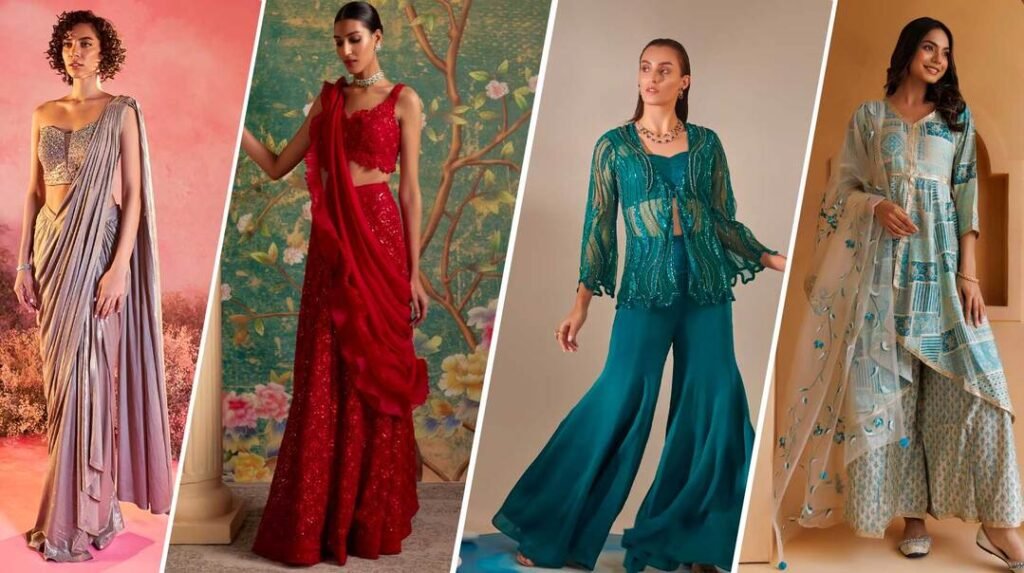
Indian fashion is evolving by bringing together the richness of traditional clothing and the creativity of contemporary design. From sarees styled with modern blouses to kurtas paired with denim, the fusion of old and new is giving everyday and occasion wear a fresh identity.
Traditional garments continue to reflect India’s cultural heritage, while modern cuts, experimental styling and changing consumer preferences make them appealing to younger generations.
1. Fusion Wear Takes Centre Stage
Fusion wear combines ethnic garments with contemporary silhouettes. Sarees with statement blouses, kurtas with jeans and lehengas paired with crop tops offer alternatives to conventional styling.
These combinations allow people to adapt traditional pieces for casual outings, celebrations and formal events without losing their cultural appeal.
2. Traditional Fabrics Remain Popular
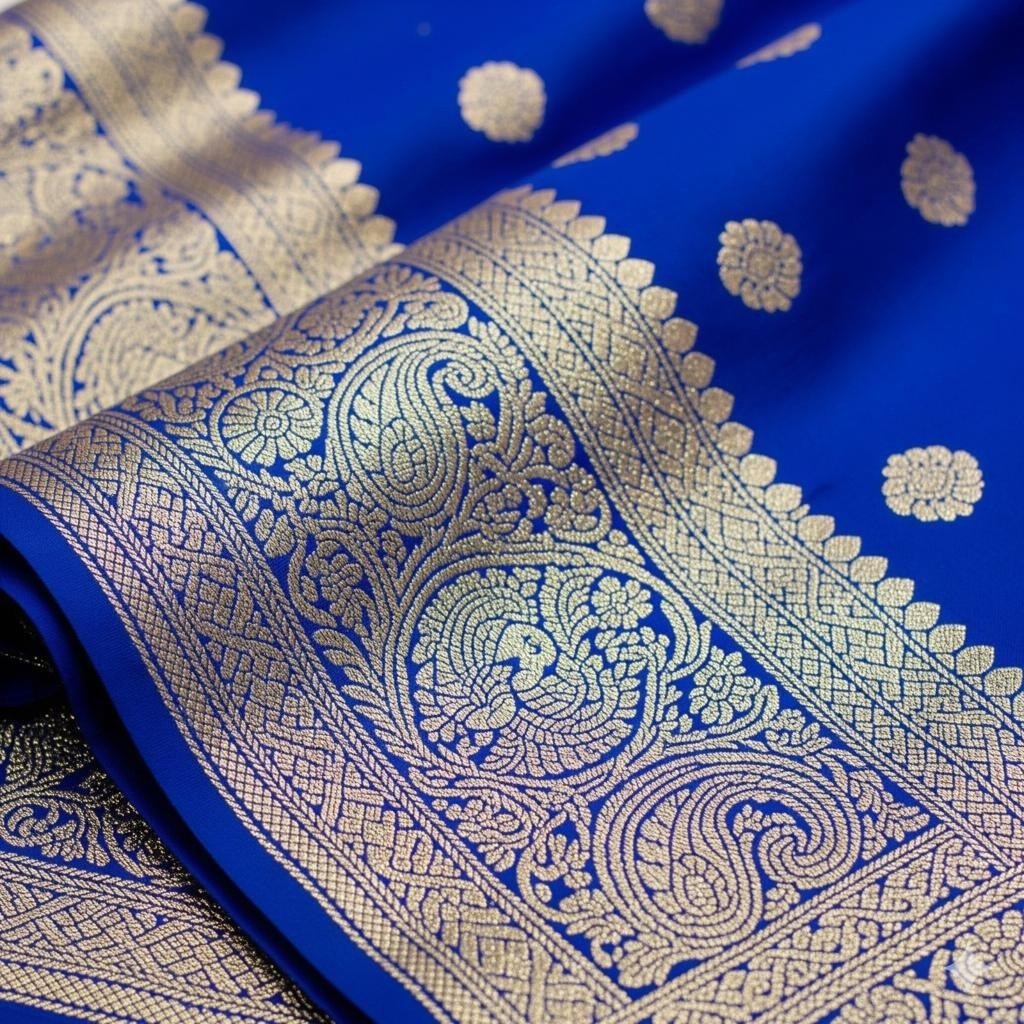
Indian textiles such as silk, cotton and brocade remain important elements of ethnic fashion. Detailed craftsmanship, including Banarasi weaving, chikankari and zardozi embroidery, adds character to garments.
Designers are using these traditional materials and techniques in contemporary outfits, helping heritage textiles find a place in modern wardrobes.
3. Contemporary Cuts Refresh Ethnic Wear
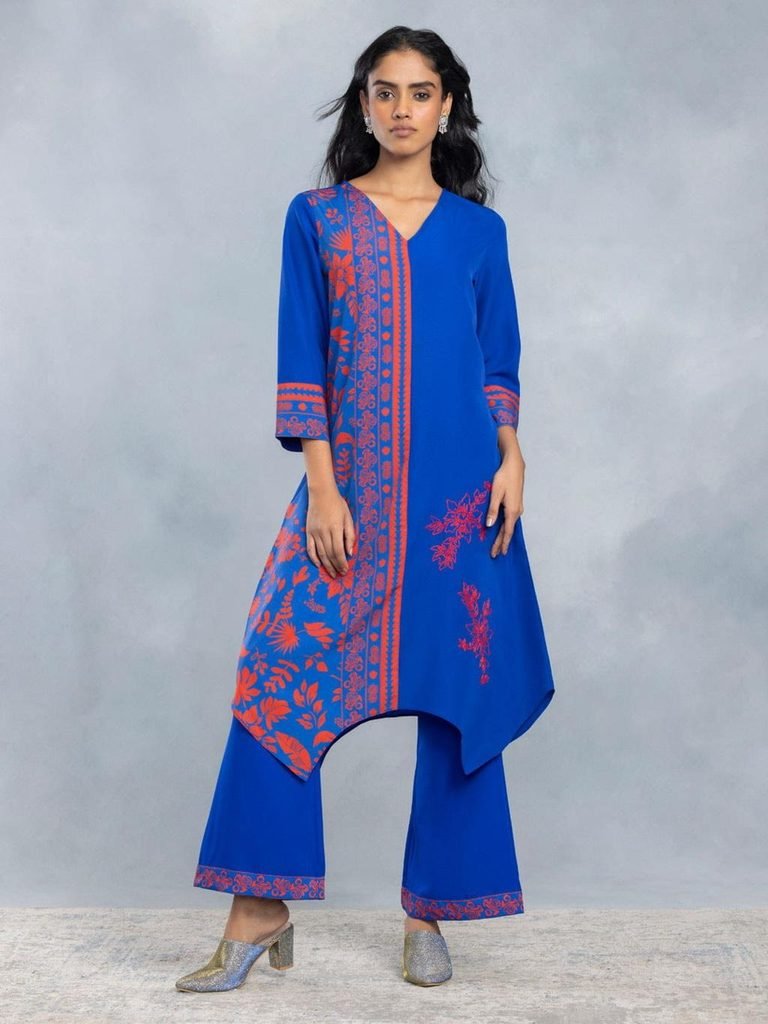
Traditional clothing is being reimagined through pre-stitched sarees, asymmetrical kurtas, lehenga gowns and coordinated sets. These designs combine familiar Indian elements with silhouettes that can be easier to wear and style.
The result is ethnic fashion that balances tradition with comfort and contemporary aesthetics.
4. Celebrity Style Influences Fashion Choices
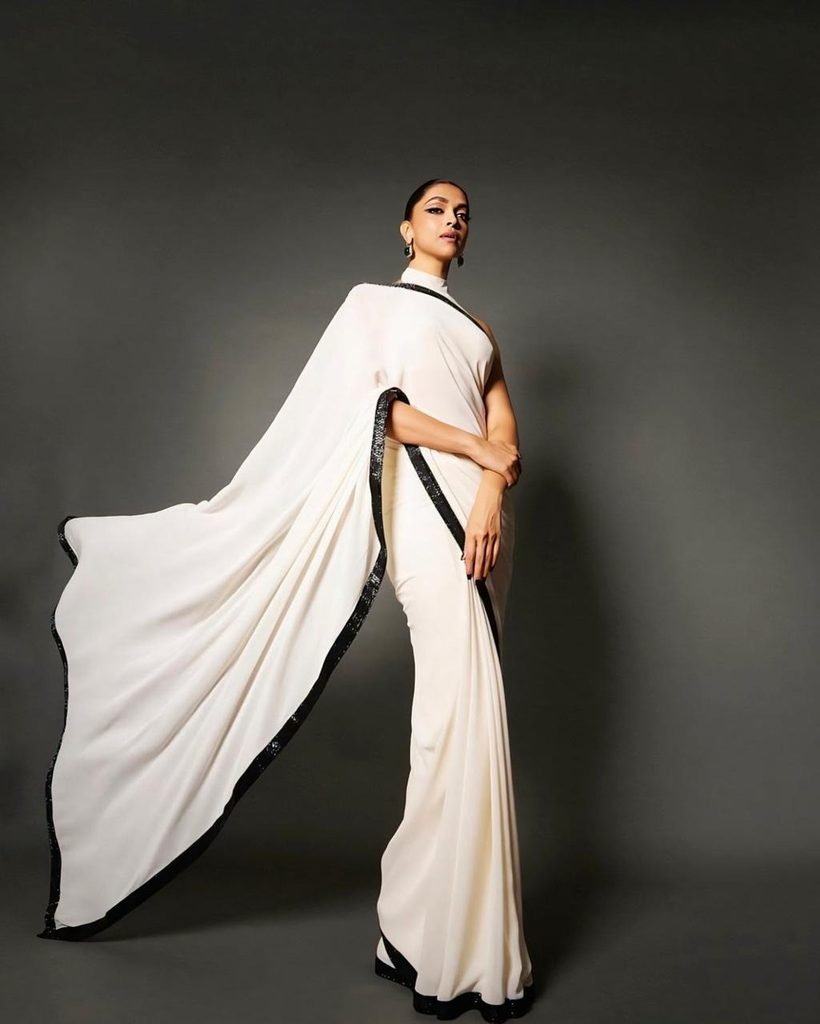
Celebrity appearances, film costumes and social media looks often inspire fashion choices. Modern sarees, statement jewellery and fusion outfits worn by Indian actors and designers can introduce traditional styles to new audiences.
Rather than copying an entire look, people can take inspiration from individual elements, such as a distinctive blouse, an embroidered dupatta or contrasting accessories.
5. Sustainable Fashion Gains Attention
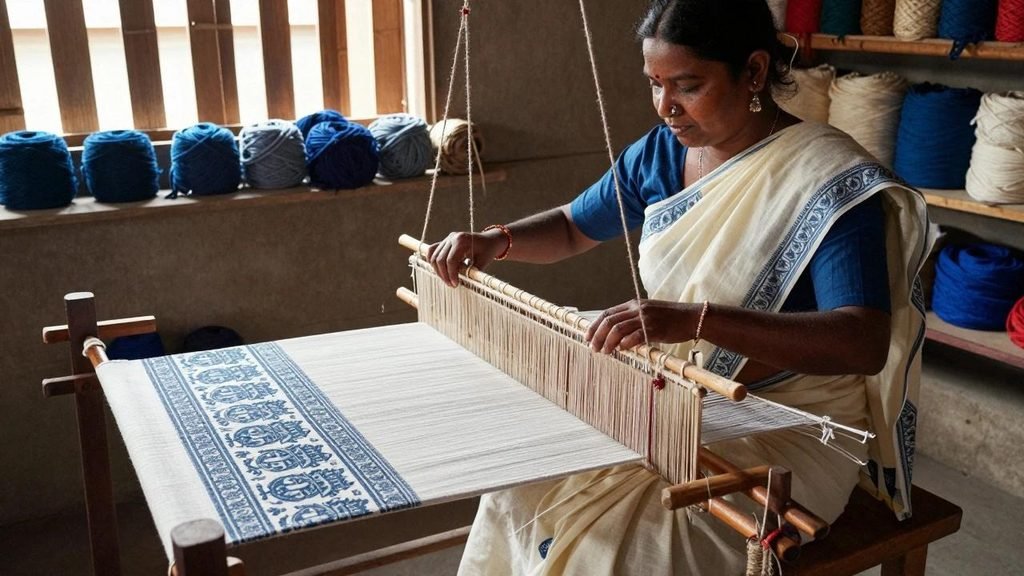
Interest in handloom textiles, natural fibres and artisan-made clothing has brought greater attention to sustainability in Indian fashion. Rewearing festive outfits, restyling existing garments and choosing durable pieces are practical ways to make wardrobes more sustainable.
Supporting local craftspeople can also help preserve traditional skills while encouraging thoughtful fashion consumption.
6. How to Style Traditional and Modern Pieces
A few simple combinations can make ethnic clothing more versatile:
- Pair a kurta with jeans or tailored trousers for a casual look.
- Style a saree with a contemporary blouse or a statement belt.
- Combine an embroidered dupatta with a simple outfit.
- Add modern footwear and minimal jewellery to balance a heavily embellished ensemble.
- Reuse traditional clothing for different occasions by changing accessories and layering.
The key is to maintain balance so that traditional details and modern elements complement one another.
Conclusion
Indian fashion continues to evolve through a blend of heritage, innovation and individual expression. From fusion wear and contemporary silhouettes to handloom fabrics and sustainable choices, there are many ways to give traditional clothing a modern identity.
For a versatile wardrobe, the best approach is to experiment with styling while choosing pieces that reflect personal taste, comfort and appreciation for Indian craftsmanship.