
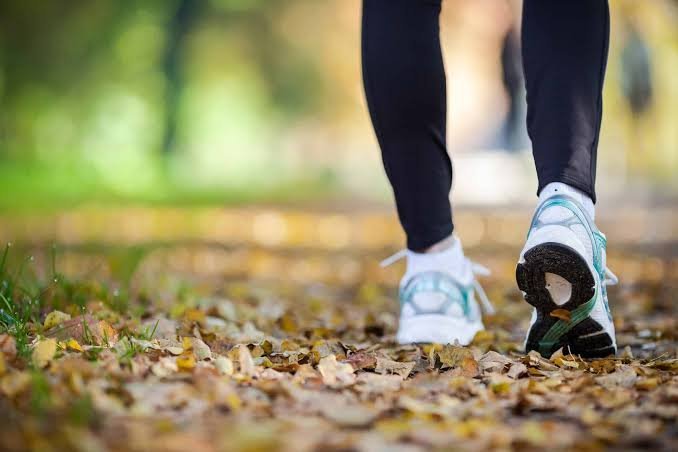
Walking is one of the simplest forms of exercise, yet it can have a meaningful impact on your physical and mental wellbeing. You do not need an expensive gym membership, complicated equipment, or advanced fitness skills to get started. A comfortable pair of shoes and a safe place to walk may be all you need.
Whether you take a short walk around your neighbourhood, walk to work, explore a park, or enjoy an evening stroll with family, regular movement can become an easy and sustainable part of a healthy lifestyle.
Why Walking Is Worth Making a Habit
Walking gets your muscles working and increases the demand on your heart and lungs. When done regularly, it can help improve cardiovascular fitness, muscle endurance, balance and overall physical function. Regular physical activity is also associated with a lower risk of several chronic health conditions and can support healthy weight management.
Walking can also be easier to maintain than activities that require a high level of fitness. You can adjust your pace, distance and route according to your ability and gradually increase the challenge as your fitness improves.
Perhaps most importantly, walking is flexible. It can be exercise, transportation, recreation or simply a way to take a break from sitting.
How Much Walking Should You Do?
There is no need to begin with a long or demanding walk.
If you have been inactive, start with a manageable amount and gradually increase your time and intensity. Even replacing some sitting time with light movement is a useful step toward becoming more active. Current Australian guidance encourages adults to undertake moderate- to vigorous-intensity physical activity for around 30 minutes or more on most days, alongside other forms of movement.
For someone starting from scratch, that could mean:
- 10 minutes of walking in the morning
- A short walk during a lunch break
- Another 10–15 minutes in the evening
- Gradually extending the duration as your body adapts
You do not have to complete all your activity in one session.
What Counts as a Brisk Walk?
Walking becomes more physically demanding when you increase your pace.
A practical way to judge moderate intensity is the talk test. During a brisk walk, you should be able to speak, but your breathing should be noticeably faster than when you are sitting or walking very slowly.
As your fitness improves, you can make your walks more challenging by:
- Walking a little faster
- Choosing a route with hills
- Increasing the distance
- Adding short periods of faster walking
- Walking for a longer duration
- Including stairs where appropriate
The goal is not to become exhausted. The aim is to create a level of activity that challenges you while remaining manageable.
Walking Can Fit Into an Ordinary Day
Exercise does not always need to appear on your calendar as a formal workout.
Look for opportunities to add more movement to activities you already do. For example:
- Walk to nearby shops instead of driving.
- Take the stairs when practical.
- Get off public transport a little earlier.
- Take a short walk during a work break.
- Walk while talking with a friend on the phone.
- Take your dog for an extra walk.
- Park farther away from your destination.
- Take a short walk after a meal.
Small choices repeated regularly can help reduce the amount of time you spend sitting and increase your overall daily movement.
Make Walking More Enjoyable
The best walking routine is one you actually want to continue.
If walking feels repetitive, change the experience rather than abandoning the habit. Try different neighbourhoods, parks or trails. Listen to music or a podcast if it is safe to do so, or simply use the walk as an opportunity to enjoy your surroundings.
Walking with another person can make exercise feel more social. You could arrange a regular walk with a friend, family member or colleague.
A walking group can also provide motivation and accountability.
Start Slowly and Build Your Fitness
One common mistake is trying to do too much too soon.
If you have been inactive for a long time, begin with comfortable walks and allow your body time to adjust. Increase either the duration, distance or intensity gradually rather than changing everything at once.
You may notice that the same route becomes easier after several weeks. That is a sign that your fitness is improving. At that point, you can introduce a slightly longer route, a faster pace or a hill.
People with health conditions, significant physical limitations or concerns about starting exercise should consider speaking with an appropriate health professional before beginning a new or more demanding exercise routine.
Choose Comfortable Walking Shoes
Your feet absorb repeated impact with every step, so comfortable footwear matters.
Look for shoes that fit properly and provide suitable support. Avoid shoes that are excessively tight, worn out or uncomfortable.
If a particular pair consistently causes rubbing, blisters or pain, replace them rather than trying to push through the discomfort.
Your walking surface matters too. When possible, varying hard surfaces with suitable softer paths may make walking more comfortable.
Warm Up and Cool Down
You do not need an elaborate warm-up before an ordinary walk.
Begin at an easy pace for several minutes and allow your muscles and breathing to adjust. You can then gradually increase your speed.
At the end of the walk, slow down rather than stopping suddenly after a hard effort. Gentle movement after exercise can help you transition back to your normal activity.
If you stretch, keep movements controlled and avoid bouncing. Stop if a stretch causes pain.
Stay Safe While Walking
Walking is generally accessible, but your environment and personal circumstances still matter.
For outdoor walks:
- Choose routes appropriate for your fitness and experience.
- Be aware of traffic, uneven surfaces and other hazards.
- Wear suitable clothing for the weather.
- Protect yourself from excessive sun exposure.
- Carry water when walking for longer periods or in hot conditions.
- Check weather conditions before longer outdoor walks.
- If walking in an unfamiliar area, consider going with someone else.
- Use reflective or visible clothing when walking in low-light conditions.
If you develop unusual or significant pain, dizziness, severe breathlessness or other concerning symptoms during exercise, stop and seek appropriate medical advice.
Walking With Family or Friends
Walking does not have to be a solo activity.
A regular family walk can provide an opportunity to spend time together while encouraging everyone to move more. Friends can also turn a routine walk into a social activity.
For children, choose routes and distances appropriate for their age and abilities. Older adults may also benefit from walking routines that incorporate appropriate balance and mobility activities. Current Australian guidelines specifically recognise the importance of mobility, balance and coordination activities as part of an overall movement routine.
Keep Track of Your Progress
Tracking your activity can make your progress easier to see.
You might record:
- Walking time
- Distance
- Number of walks each week
- Route difficulty
- How energetic you feel afterward
A smartphone or fitness tracker can be useful if you enjoy monitoring steps or distance, but you do not need a specific step target to benefit from walking.
Instead of focusing only on a number, pay attention to whether you are becoming more consistent and gradually capable of doing more.
Walking Is Only One Part of an Active Lifestyle
Walking is an excellent foundation, but a well-rounded activity routine includes different types of movement.
Current Australian guidance recommends combining moderate- to vigorous-intensity activity with muscle-strengthening activities, functional activities involving mobility, balance and coordination, and plenty of light-intensity movement throughout the day. It also recommends limiting prolonged sedentary time and getting sufficient sleep.
That means a healthy routine might include:
Walking + strength exercises + mobility/balance work + regular movement breaks + good sleep.
A Simple Walking Routine to Try
If you are new to regular walking, keep your first goal realistic.
Week 1: Take short, comfortable walks and concentrate on consistency.
Week 2: Add a few minutes to selected walks.
Week 3: Introduce brief periods of brisker walking.
Week 4: Gradually increase your distance or choose a slightly more challenging route.
There is no prize for progressing quickly. The objective is to develop a routine that fits comfortably into your life and can be maintained for months and years.
The Bottom Line
Walking may look simple, but regular movement can contribute significantly to a healthier lifestyle. It can support fitness, help reduce sedentary time, provide an opportunity to spend time outdoors and make everyday life more active.
You do not need to wait until you are extremely fit to begin. Start with what you can comfortably manage, build gradually, choose enjoyable routes and make walking part of your normal day.
One walk may not transform your health overnight, but making movement a regular habit can create lasting change.