
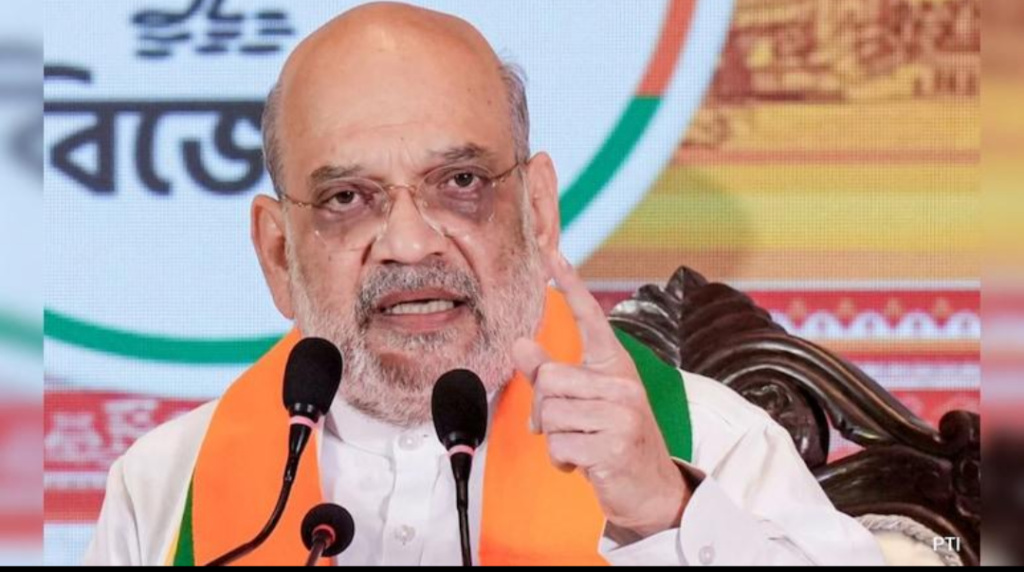
New Delhi, September 15, 2026: The long-standing debate on the Uniform Civil Code (UCC) has gained fresh momentum after Union Home Minister Amit Shah announced that the common civil code will be introduced in all 21 states ruled by the BJP-led National Democratic Alliance (NDA) before the 2029 Lok Sabha elections.
Speaking in Mumbai on September 13, Shah said: “We have introduced the Uniform Civil Code in several states and I am confident that in the 21 BJP-NDA ruled states, we will introduce the UCC before 2029.”
Current Status of UCC
Uttarakhand became the first state to implement a comprehensive UCC in January 2025. It covers marriage, divorce, inheritance, succession, and regulates live-in relationships while prohibiting polygamy.
Gujarat, Assam, and Madhya Pradesh have passed similar legislation and are awaiting presidential assent and notification.
Several other NDA-ruled states, including Maharashtra, West Bengal, and Chhattisgarh, have formed committees to draft their own versions.
Political Reactions
NDA allies have offered mixed responses. The Telugu Desam Party (TDP) and Shiv Sena expressed support, with TDP leaders indicating they would involve stakeholders before adoption. However, JD(U) leaders in Bihar have made it clear that the party is not in favour of implementing UCC in the state and plans discussions with the Centre. Other allies have called for wider consultation.
Opposition parties, including the Congress, continue to criticise the move. They argue that a uniform code risks undermining India’s diversity and the constitutional protection of religious personal laws. Critics often describe the push as majoritarian, while supporters emphasise gender equality, especially in matters of inheritance and marriage rights for women across communities.
Why the Debate Continues
Proponents view the UCC as a step towards equality before the law and modernisation of personal laws. Opponents stress the need to protect cultural and religious practices and prefer gradual reform through consensus rather than state-level imposition.
With the 2029 general elections on the horizon, the state-by-state approach allows the BJP to advance a core ideological goal without immediately seeking a national law through Parliament. Political discussions are expected to intensify as more states move towards drafting or notifying their codes.
The debate reflects deeper questions about the balance between uniformity, equality, and India’s pluralistic social fabric.