
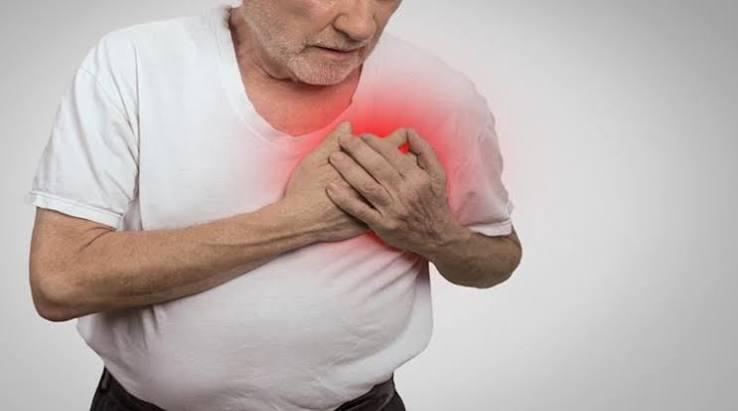
Fatigue, breathlessness and reduced stamina are often dismissed as normal parts of getting older. However, when these changes are new, persistent or progressively worsening, they may indicate an underlying heart condition.
Heart valve disorders, including aortic stenosis, can make it harder for the heart to pump blood efficiently. Recognising warning signs early and seeking medical advice can help people get the right evaluation and treatment.
1. Unusual Tiredness During Everyday Activities
If someone who previously enjoyed daily walks or household tasks now struggles to complete them, the change deserves attention. Persistent fatigue or a noticeable decline in stamina can have several causes, including heart disease, anaemia or other medical conditions.
Rather than assuming it is age-related, observe when the tiredness began and whether it is getting worse.
2. Breathlessness After Mild Activity
Feeling short of breath while climbing stairs or walking a familiar distance may be a warning sign, particularly if the symptom is new. Some heart conditions affect circulation and can cause fluid to build up in the lungs.
Sudden or severe breathlessness requires urgent medical attention.
3. Dizziness or Fainting
Feeling light-headed, dizzy or faint can occur for many reasons, including medication effects, dehydration and changes in blood pressure. In some cases, however, these symptoms may be linked to heart valve disease or an abnormal heart rhythm.
Repeated episodes, especially during physical activity, should be assessed by a healthcare professional.
4. Swelling in the Feet and Ankles
New or persistent swelling in the feet and ankles can sometimes occur when the heart is not pumping blood effectively. Fluid retention can also be associated with kidney problems, vein conditions and certain medicines.
Seek medical advice if swelling is unexplained, persistent or accompanied by breathlessness or unusual fatigue.
5. Changes in Heartbeat
A racing, pounding or irregular heartbeat may feel like fluttering in the chest. Occasional palpitations can have harmless causes, but recurring episodes should not automatically be blamed on anxiety or ageing.
A clinician may recommend an examination and tests to identify whether a heart rhythm problem is present.
6. Difficulty Breathing When Lying Down
Some people with heart-related conditions experience breathlessness when lying flat or wake up at night struggling to breathe. This can be a sign of fluid accumulation associated with heart failure and warrants prompt medical assessment.
If breathing difficulty is severe or sudden, seek emergency care.
When Should You Consult a Doctor?
Keep track of changes in walking distance, energy levels, sleep, swelling and breathing. Sharing these observations with a doctor can help identify patterns and guide further evaluation.
Depending on the symptoms, a clinician may recommend an electrocardiogram, blood tests or an echocardiogram, which uses ultrasound to examine the heart’s structure and function.
Treatment depends on the underlying cause and may include medication, monitoring or a procedure for certain valve disorders. Do not start, stop or change prescribed medicines without medical advice.
Why Early Attention Matters
Ageing does not mean every new symptom is inevitable. Persistent changes in everyday activity can provide important clues about a person’s health.
Recognising these signs, discussing them with a healthcare professional and following recommended tests can help older adults and their families make informed decisions about heart health.
Health note: This article is for general information and does not replace professional medical advice. Seek urgent care for severe chest pain, sudden breathlessness, fainting or other potentially serious symptoms.