
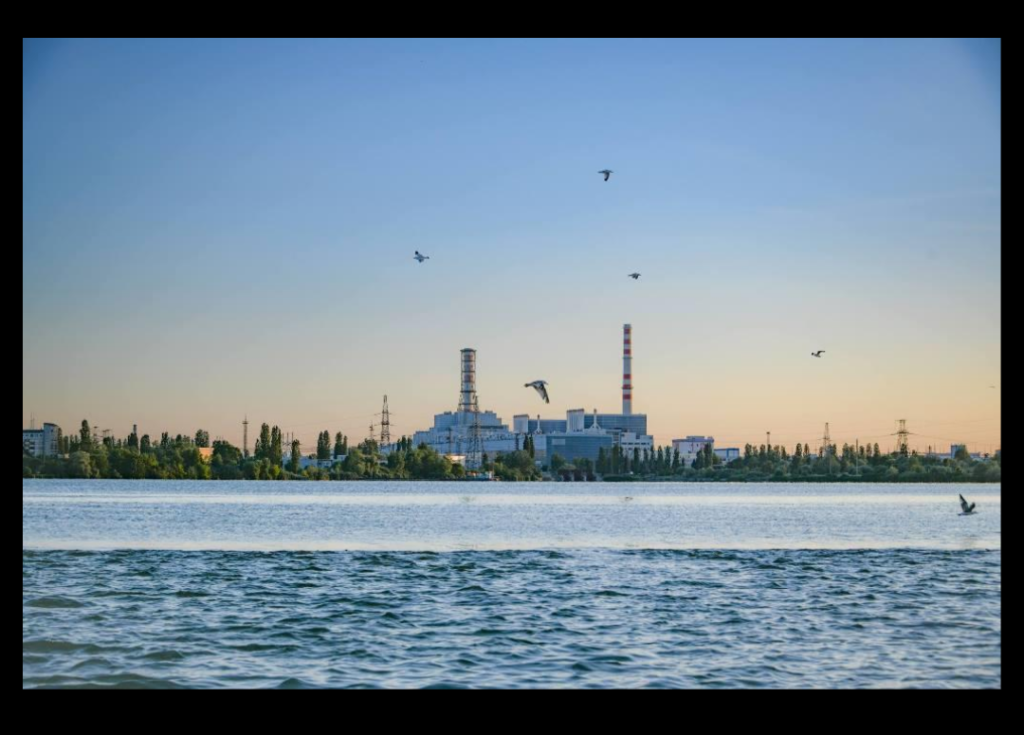
Vienna / Moscow, September 19, 2026 – The International Atomic Energy Agency (IAEA) said on Friday it had been informed that a drone struck the cooling tower of a reactor unit at Russia’s Kursk Nuclear Power Plant early on Thursday.
According to the UN nuclear watchdog, the reactor unit was operating at the time of the impact. Its operating mode did not change, and no fire broke out.
Russia’s state nuclear corporation Rosatom confirmed the incident, stating that the strike caused “minor damage” at the plant’s No. 1 reactor. The reactor continued operating at 100% capacity, and radiation levels remained unchanged and within normal limits.
IAEA Statement
In a post on X, the IAEA said:
“The IAEA has been informed that the cooling tower of a reactor unit of the Kursk Nuclear Power Plant in the Russian Federation was hit by a drone early on Thursday. It was reported that the unit was operating at the time, but its operating mode did not change and there was no fire.”
IAEA Director General Rafael Grossi emphasised that “all attacks on nuclear facilities are unacceptable as they could endanger nuclear safety and security, irrespective of where they occur.” He reiterated his call for “maximum military restraint to prevent the risk of a nuclear accident.”
Context
The Kursk Nuclear Power Plant is located in western Russia’s Kursk region, near the border with Ukraine. The area has seen repeated military activity since Russia’s full-scale invasion of Ukraine in 2022, including a Ukrainian cross-border operation in 2024. Previous drone incidents near the facility have also been reported in past years.
Cooling towers form part of a nuclear plant’s heat-removal system and are separate from the reactor core itself. In this case, authorities reported no impact on nuclear safety systems or radiation levels.
The IAEA has repeatedly warned about the risks of military operations near nuclear facilities throughout the conflict and maintains monitoring of nuclear sites in the region.
No further details on the origin of the drone or any casualties have been officially confirmed by the IAEA or Rosatom at this stage.