
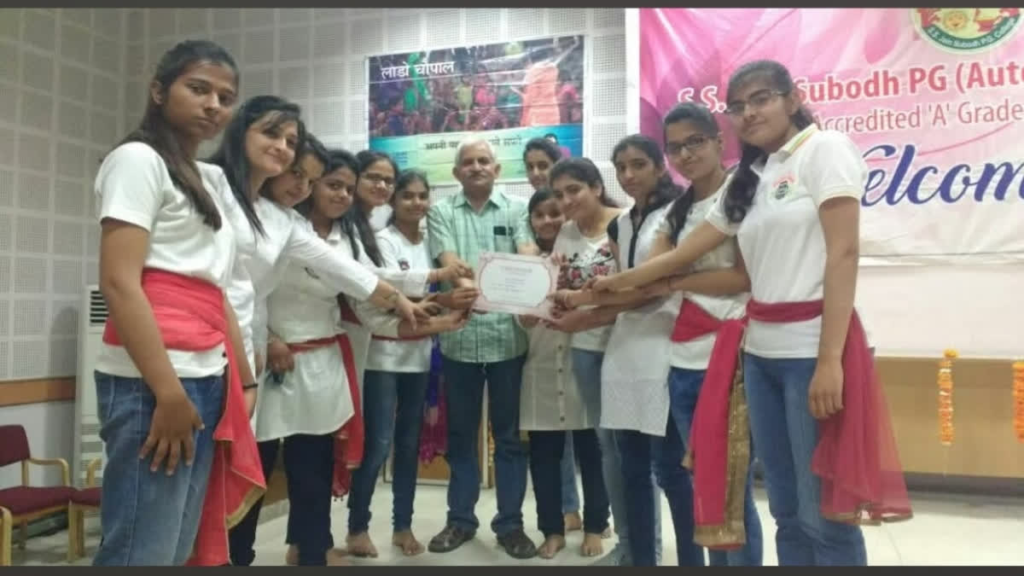
As Rajasthan celebrates Navratri and honours Goddess Durga, social activist Rajan Chaudhary continues to draw attention to the fight against sex selection and discrimination against girls. His campaign connects the festival’s message of feminine strength with the need to protect girls and promote equal value for daughters.
A Campaign Against Sex Selection
Rajan Chaudhary has been associated with efforts to prevent sex-selective practices in Rajasthan. His work highlights the importance of challenging social attitudes that favour sons over daughters and supporting initiatives to protect the girl child.
The issue remains important in a state where activists and authorities have worked to improve awareness and enforce laws against prenatal sex determination.
Connecting Navratri With Respect for Girls
Navratri is dedicated to the worship of Goddess Durga and her different forms, representing strength, courage and the triumph of good over evil. Chaudhary’s campaign draws attention to the contrast between celebrating the divine feminine and discrimination faced by girls in everyday life.
The message encourages people to carry the spirit of the festival beyond prayers and rituals by promoting dignity and equal opportunities for girls.
Why the Fight Against Sex Selection Matters
Sex selection reflects deep-rooted gender bias and can contribute to imbalances in the sex ratio at birth. Addressing it requires public awareness, community participation and effective enforcement of existing laws.
India’s Pre-Conception and Pre-Natal Diagnostic Techniques (PCPNDT) Act, 1994, prohibits sex selection and the disclosure of the sex of a foetus. The law also regulates the use of prenatal diagnostic techniques to prevent their misuse.
Changing Attitudes Towards the Girl Child
Campaigns against sex selection seek to challenge the belief that sons are more valuable than daughters. Families, schools, community groups and local institutions can all play a role in encouraging equal treatment and helping girls access education, healthcare and opportunities.
Awareness efforts are particularly important during major festivals, when messages about respect, compassion and social responsibility can reach large audiences.
Taking the Message Beyond the Festival
Navratri and Durga Puja are celebrated through worship, cultural programmes and community gatherings. Using these occasions to discuss gender equality can help connect religious values with everyday responsibilities.
The broader message is clear: respecting feminine power should also mean protecting girls, opposing sex-selective practices and building a society where every child is valued.