
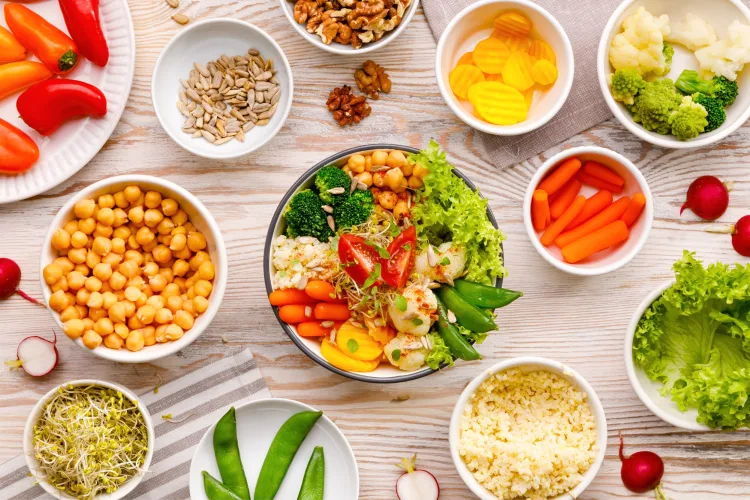
Indian food habits are evolving in subtle but noticeable ways in 2026. Traditional staples are still firmly part of everyday meals, but shoppers are increasingly looking for products that combine convenience with higher protein, familiar ingredients, better-for-you positioning and easy preparation.
A recent Times of India report highlights several foods and beverage categories that are gaining attention among Indian consumers, reflecting a broader shift in the modern grocery basket.
Makhana Moves Beyond Festive Snacking
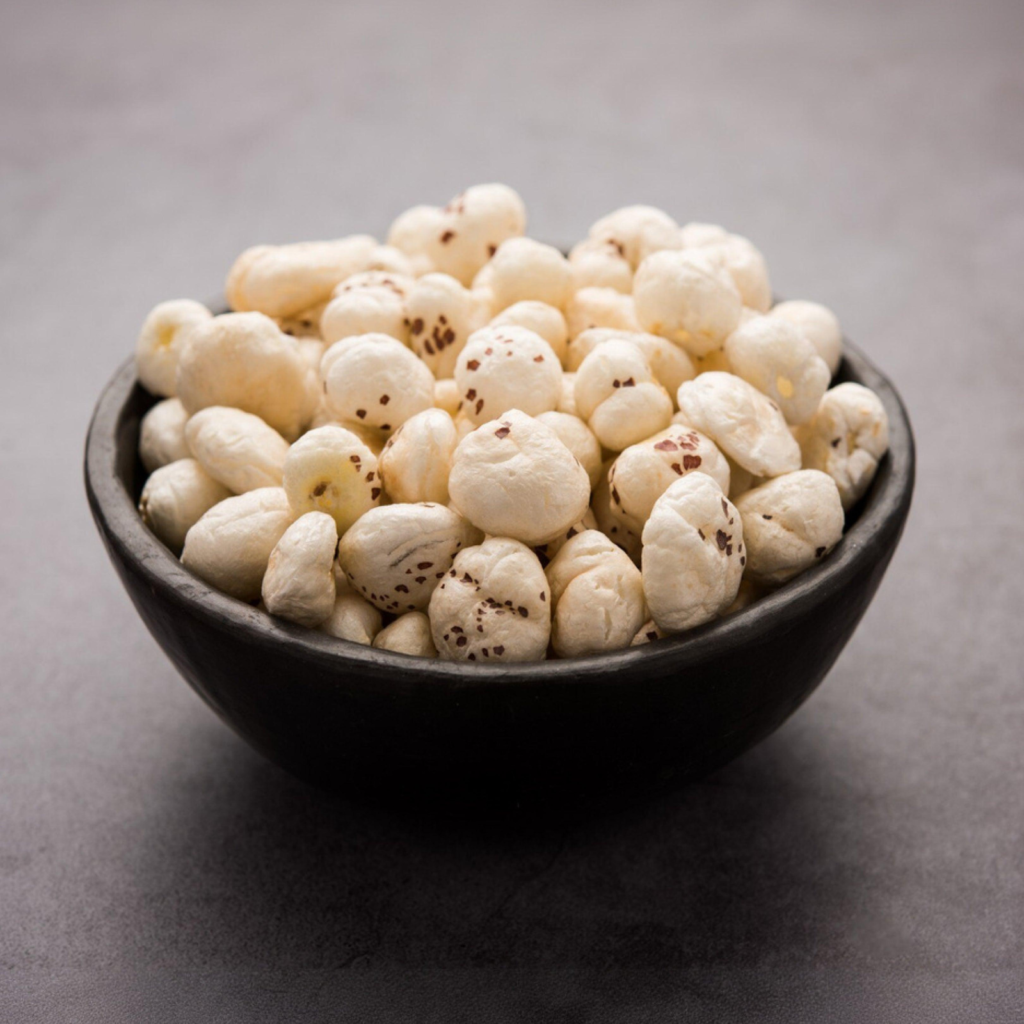
Makhana is moving from a traditional Indian ingredient to a popular modern snacking choice.
Makhana, once strongly associated with fasting and traditional preparations, is becoming a more mainstream snack. Roasted and flavoured varieties are now competing with conventional packaged snacks such as chips and namkeen.
Its appeal comes partly from its versatility. It can be eaten plain, roasted with spices or incorporated into different snack combinations, making it easy to fit into changing eating habits.
The growing popularity of makhana also shows how familiar Indian ingredients are being repackaged for modern consumers.
Greek Yogurt Gets More Attention
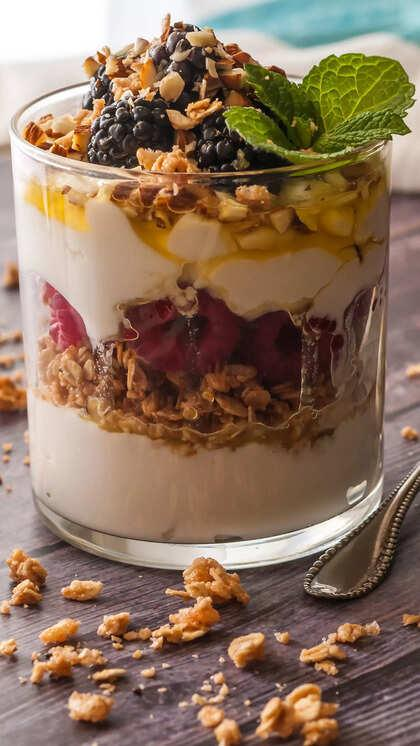
Yogurt, granola, fruit and seeds are becoming part of convenient modern breakfast choices.
Yogurt remains a household staple, but Greek yogurt is gaining visibility because consumers are increasingly interested in products marketed around protein and convenience.
Compared with sweeter yogurt-based products, Greek yogurt has become associated with breakfast bowls, smoothies, snacks and quick meals. Its growing presence in supermarkets and online grocery platforms reflects a wider interest in protein-rich everyday foods.
Millets Are Returning in New Forms
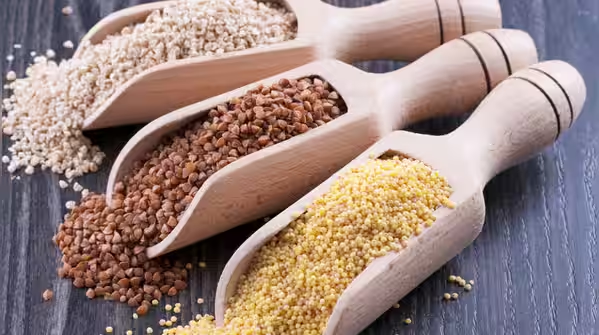
Millets are hardly new to India, but their modern comeback is changing how consumers use them.
Instead of being limited to traditional recipes, millet-based ingredients are increasingly appearing in breads, biscuits, dosa mixes and ready-to-cook products. That combination of traditional grains and contemporary formats is helping millets reach consumers who may not regularly prepare them in their original forms.
The trend suggests that Indian shoppers are not necessarily choosing between tradition and modernity. They are finding ways to combine both.
Breakfast Is Becoming More Convenient
Oats, granola and similar breakfast products are becoming increasingly visible in urban grocery baskets. Busy routines have created demand for foods that can be prepared quickly while still fitting the image of a balanced breakfast.
For many consumers, convenience now plays an important role alongside taste and price. Products that can be assembled into a quick breakfast bowl or combined with yogurt, fruit or milk are fitting naturally into this lifestyle.
Nuts, Seeds and Nut Butters Find New Uses
Nuts and seeds are also moving beyond occasional snacking. Almonds, walnuts, mixed seeds and nut butters are increasingly being added to breakfasts, snacks and homemade recipes.
Nut butters in particular have become more visible among consumers looking for simple ways to add texture and protein to toast, smoothies or snack combinations. Their popularity reflects the wider move toward foods that can perform multiple roles throughout the day.
Protein Is Becoming a Bigger Food Conversation
Perhaps the clearest theme behind many of these changes is the growing importance of protein.
The Times of India report cites a 2026 healthy-snacking survey in which respondents placed strong emphasis on protein and ingredient transparency. These preferences are influencing everything from breakfast products to snack bars and dairy choices.
Protein is no longer discussed only in the context of fitness. It is increasingly becoming part of ordinary conversations about everyday food choices.
Functional Drinks Move Into the Mainstream
The beverage category is changing too. Drinks positioned around energy, hydration, protein or other functional benefits are becoming more visible in stores and online.
This reflects a broader consumer shift toward foods and beverages that are expected to offer something beyond taste. A drink that can also fit into a busy routine or support a particular lifestyle can become more attractive to shoppers.
Protein Bars Leave the Gym Shelf
Protein bars are another category moving toward mainstream consumption.
Once closely associated with athletes and gym-goers, these products are increasingly marketed as portable snacks for office workers, students and people travelling between meals. Their appeal comes partly from convenience: they can be carried easily and consumed without preparation.
The change illustrates how specialised nutrition products can gradually become ordinary supermarket purchases.
Ingredient Transparency Is Influencing Choices
Consumers are also paying more attention to what is inside packaged foods.
Clear ingredient lists, recognisable components and simple product positioning are increasingly important when shoppers compare products. The survey data cited by Times of India suggests that ingredient transparency is becoming part of the decision-making process for a significant share of consumers.
For food companies, that means packaging and marketing may need to communicate not just flavour, but also what the product contains and why it belongs in a modern pantry.
Tradition and Modern Convenience Are Coming Together
The most interesting part of India’s 2026 food shift is that it is not simply about replacing traditional foods with Western alternatives.
Makhana and millets are finding new audiences. Yogurt is being reformulated into protein-focused products. Nuts and seeds are becoming everyday add-ons, while packaged foods are being redesigned around convenience and functionality.
In many cases, consumers are choosing modern formats built around familiar ingredients.
What the New Indian Grocery Basket Looks Like
The changing food basket reflects a broader shift in how Indians shop. Convenience still matters, but shoppers are increasingly looking for products that combine practicality with perceived nutritional value, versatility and transparent ingredients.
The result is not the disappearance of traditional Indian food. Instead, it is a reshaping of how traditional ingredients are packaged, marketed and consumed.
From a packet of roasted makhana to a millet-based breakfast product, the Indian pantry of 2026 is showing how old ingredients and new habits can coexist creating a food culture that is increasingly convenient, protein-conscious and open to experimentation.