Social media in 2026 is moving into a new phase. Platforms are no longer competing only on how many people use them; they are competing for attention through short videos, personalised recommendations, creators, search, artificial intelligence and stories that keep audiences coming back.
A 2026 analysis from Sprout Social highlights several shifts that are changing the way brands and creators approach social media. Among the biggest are the continued dominance of video, the rapid adoption of AI tools, the rise of recurring content series and the growing importance of creating content that feels genuinely human.
Short Video Still Sets the Pace
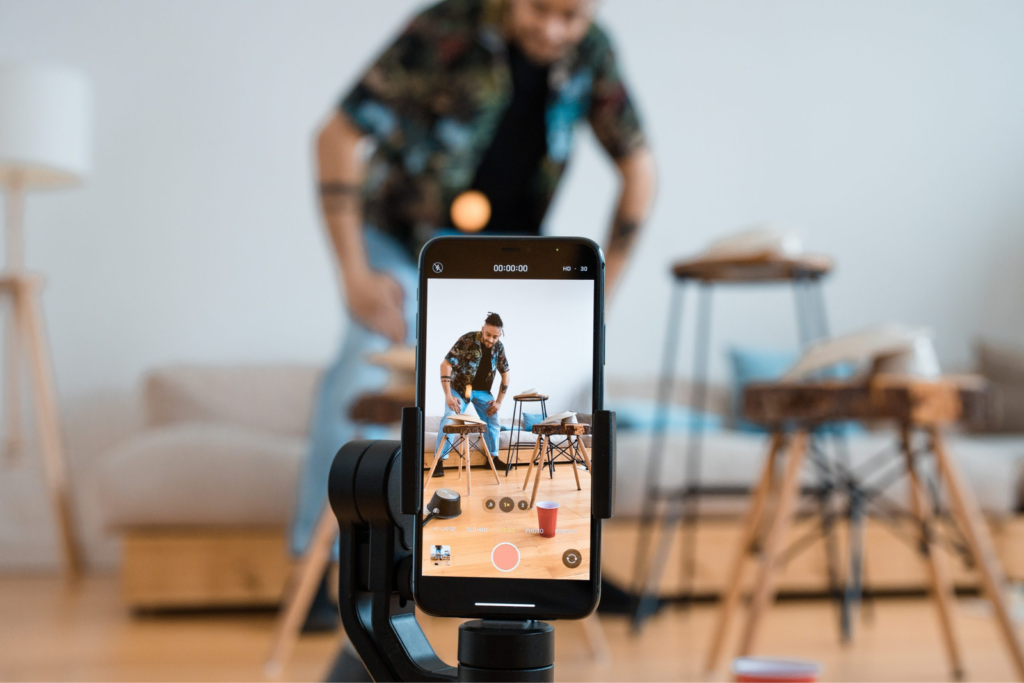
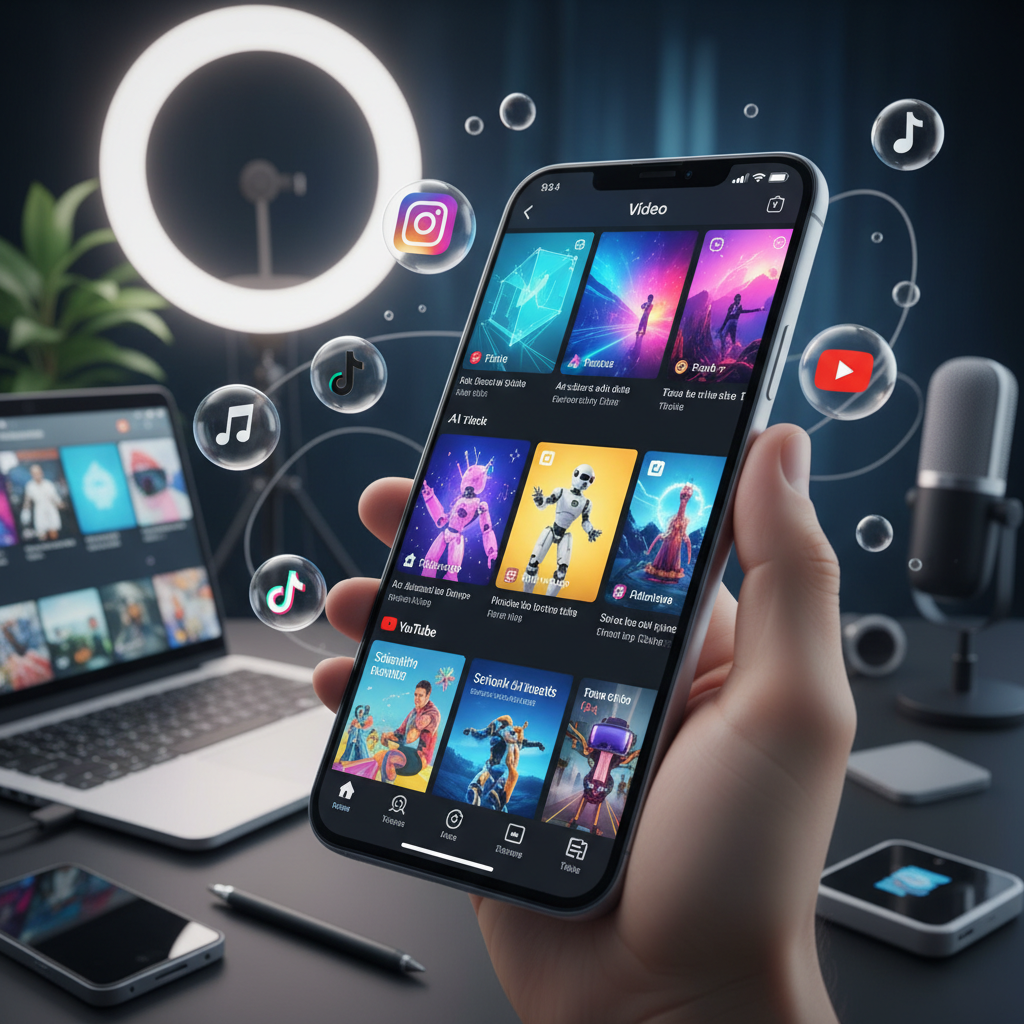
Short-form video remains one of the most powerful formats across social platforms. TikTok, Instagram Reels and YouTube Shorts have made brief, easily consumed videos a central part of online entertainment and discovery.
But the role of video is changing. It is no longer used only for entertainment. Brands are increasingly using short videos to introduce products, explain ideas, answer questions and build recognisable personalities.
That means simply producing more clips is not necessarily enough. The opening seconds, storytelling and relevance to a particular audience can determine whether viewers continue watching.
AI Is Becoming Part of Everyday Content Production
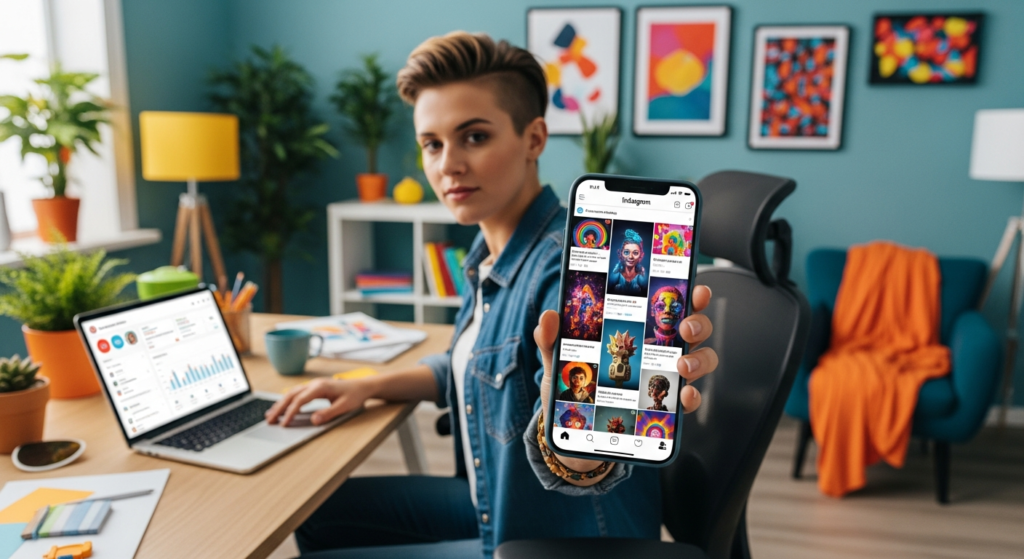
Artificial intelligence is quickly moving from an experimental tool to a routine part of social-media work.
Creators and brands can now use AI to brainstorm ideas, write drafts, analyse performance, generate visuals and speed up production. Sprout Social’s research shows that AI-generated content is becoming increasingly common across social platforms.
Yet there is an important problem. The easier it becomes to generate content, the harder it can become to make that content feel distinctive.
When large numbers of accounts can produce polished posts with similar tools, originality, personality and human experience become more valuable.
Audiences Still Want to Know What Is Real
The growth of AI is creating a parallel demand for authenticity.
Sprout Social reports that 52% of social users surveyed were concerned about brands using AI-generated content without clearly disclosing it.
That does not mean audiences reject AI altogether. Instead, it suggests that transparency matters. People may accept AI-assisted content when it provides value, but they can become less comfortable when generated material is presented as though it came entirely from a real person.
For brands, the lesson is increasingly clear: AI can help produce content, but it should not erase the human perspective behind it.
The Return of Serialized Content
Another important shift is the move from isolated posts to continuing content.
Instead of publishing one video and immediately moving on to the next topic, creators and brands are increasingly developing recurring formats, ongoing stories and content series.
This approach gives audiences a reason to return. A regular series can create familiarity and anticipation, much like a television programme with another episode waiting next week.
The format is particularly useful when a subject is too broad for a single post. Tutorials, behind-the-scenes content, interviews, explainers and recurring challenges can all become series rather than one-off pieces.
Social Media Is Becoming More Platform-Specific
The idea of creating one piece of content and posting exactly the same version everywhere is becoming less effective.
Different platforms attract different audiences and encourage different types of behaviour. A fast, entertainment-heavy video may work well on TikTok, while a longer professional explanation may perform better on another platform.
Sprout Social’s research points toward a more fragmented social environment in which brands need to understand what audiences expect on individual platforms rather than treating social media as one single channel.
For creators, this means the same idea may need different formats, captions, lengths and storytelling approaches depending on where it appears
YouTube’s Role Continues to Grow
Video consumption is also expanding beyond the traditional short-form social feed.
YouTube continues to combine short videos with longer formats, creating opportunities for brands and creators to build audiences through multiple forms of storytelling. Sprout Social highlights the platform’s continuing importance for business impact and audience engagement.
This matters because audiences do not necessarily choose between short and long content. They can discover a creator through a short clip and then move to a longer video when they want more detail.
The result is a social ecosystem where different formats can work together instead of competing directly.
The Creator Economy Is Becoming More Strategic
Creators are also becoming an increasingly important part of brand strategy. But partnerships are evolving beyond simply paying someone with a large following to promote a product.
Audience fit, storytelling ability, credibility and consistency are becoming more important measures of value.
This means a smaller creator with a highly engaged niche audience can sometimes offer a stronger partnership than a much larger account with little connection to the brand’s target audience.
The shift reflects a wider change in social media: influence is increasingly being measured by attention and trust, not just follower counts.
More Content Does Not Automatically Mean More Attention
One of the central challenges of 2026 is content overload.
AI makes it easier to produce large quantities of posts, while social platforms continuously recommend new material. As a result, users have more options than ever before.
That makes quality, relevance and recognisable voices increasingly important. A brand that publishes every day but offers nothing distinctive can easily disappear into the feed.
In this environment, the real advantage may not be producing the most content. It may be producing content that people actually remember.
What Social Media Could Look Like Next
The major social-media shift in 2026 is not a single new platform or viral format. It is the combination of several changes happening at once.
AI is accelerating production. Short video continues to capture attention. Serialized content is encouraging repeat viewing. Platforms are becoming more specialised, while audiences are becoming more cautious about content that feels artificial or overly automated.
For creators and businesses, the challenge is therefore becoming more complicated: use technology without losing personality.
AI may make it easier to create the next post, but the creators who stand out may be the ones who give audiences a reason to care about it and a reason to come back for the next one.