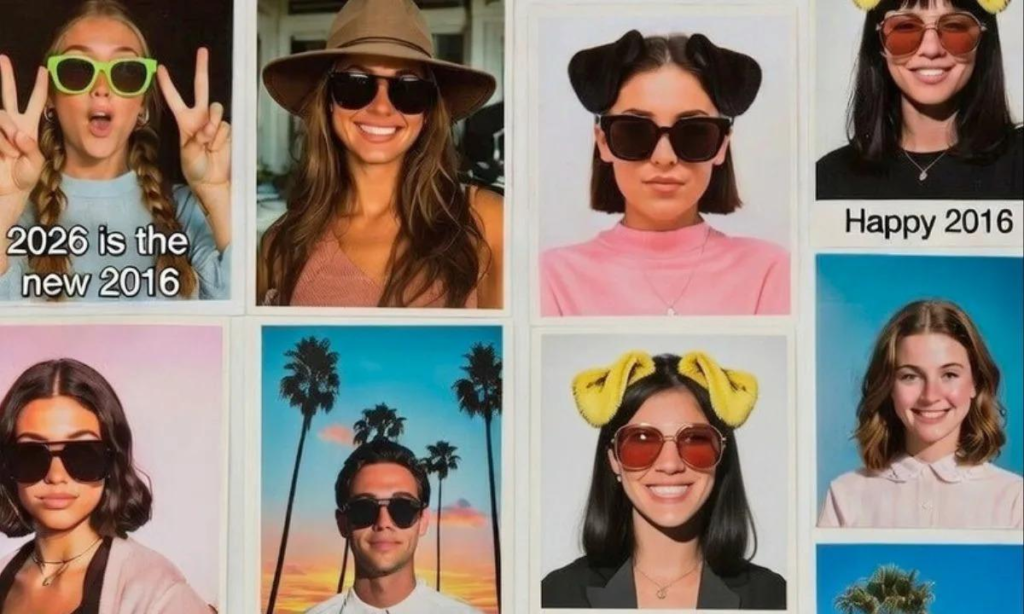
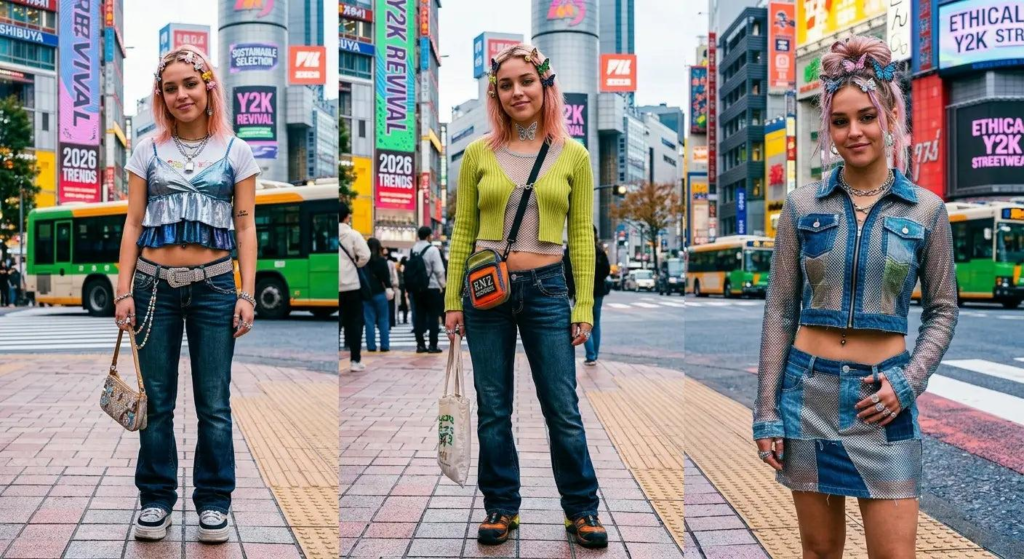
Fashion in 2026 is becoming less about following one perfect aesthetic and more about mixing influences, experimenting with personal style and finding clothes that feel individual. Gen Z is at the centre of that shift, blending nostalgia, streetwear, secondhand finds and comfortable everyday pieces into a style that changes quickly but still carries a strong sense of personality.
The result is a fashion landscape where a vintage jacket can be paired with oversized denim, a Y2K accessory can appear alongside modern basics, and a thrift-store discovery can become more valuable than a brand-new trend piece.
Y2K Is Back, But Gen Z Is Making It Its Own
One of the most visible influences on Gen Z fashion is the return of the late 1990s and early 2000s. Low-rise and baggy jeans, baby-doll tops, sporty pieces and nostalgic accessories have returned to fashion conversations, but younger shoppers are rarely recreating the period exactly. Instead, they mix selected elements with contemporary silhouettes and their own styling choices.
The comeback has also moved beyond clothing. Accessories associated with the early 2000s, including bold jewellery, tinted sunglasses and other playful details, are receiving renewed attention in 2026.
Thrifting Has Become Part of the Style Equation
Secondhand shopping is another major part of the Gen Z fashion story. Printful’s 2026 trend analysis notes that younger shoppers are putting a substantial share of their apparel spending toward secondhand fashion, while resale and vintage pieces remain closely linked to personal style.
For many shoppers, thrifted fashion offers two things at once: the opportunity to find unusual pieces and a way to move away from buying only newly produced clothing.
That makes secondhand stores, resale platforms and vintage markets more than budget destinations. They have become places where fashion-conscious shoppers look for pieces that help create a less predictable wardrobe.
Streetwear Keeps Its Place in Everyday Fashion
Comfort continues to influence what Gen Z wears every day. Oversized silhouettes, cargo trousers, relaxed denim, casual layers and sporty pieces remain important because they fit a lifestyle that values movement and versatility.
Instead of sharply tailored outfits dominating everyday wear, looser proportions have become a major part of youth fashion. This relaxed approach also makes it easier to mix garments from different eras and categories.
A streetwear-inspired outfit can therefore include a vintage item, a modern basic and a Y2K accessory without looking disconnected.
Accessories Are Doing More of the Talking
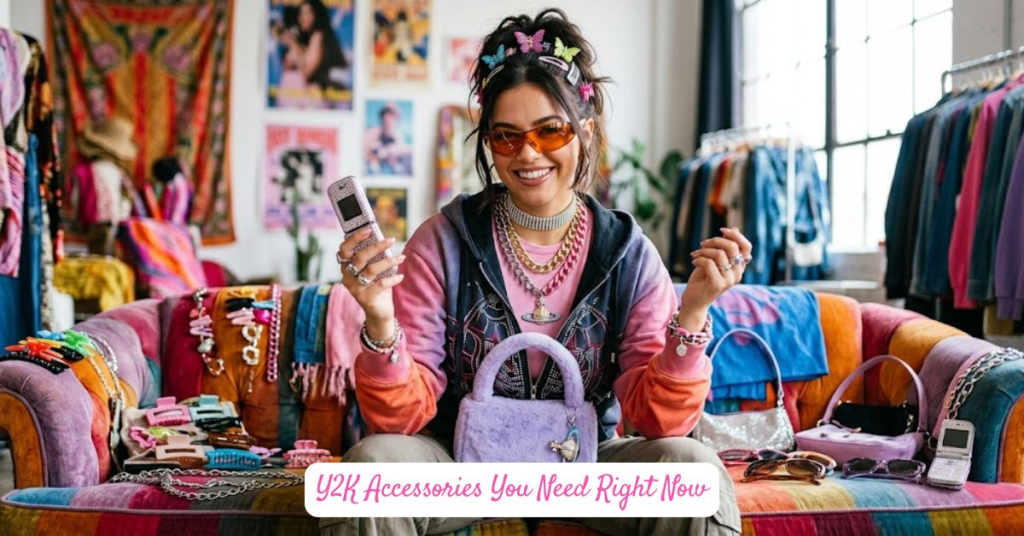
In 2026, fashion statements are not always coming from the clothes themselves. Accessories are increasingly being used to transform relatively simple outfits.
Bold earrings, distinctive bags, sunglasses, hats and other standout pieces can add personality without requiring a completely new wardrobe. The renewed popularity of statement accessories also fits the broader return of maximalist Y2K styling.
This approach gives shoppers another way to experiment while keeping everyday outfits practical.
Personal Style Matters More Than a Single “Core”
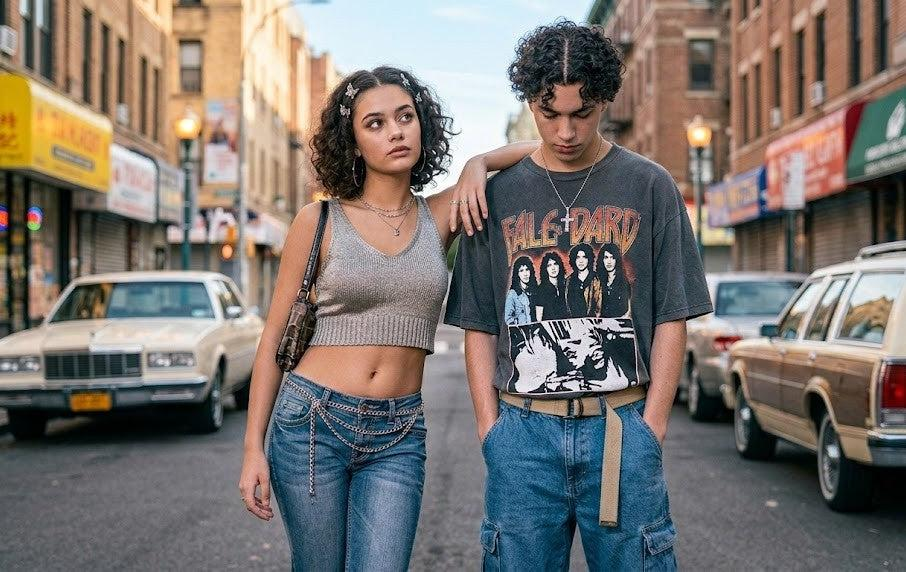
One of the biggest changes in Gen Z fashion is the declining importance of sticking to one aesthetic.
Printful’s analysis describes Gen Z style as being shaped by identity, comfort, values and individuality rather than strict fashion rules. Marie Claire similarly reports that younger consumers are moving away from constant micro-trends and showing greater interest in personal expression and pieces that can work across different settings.
That helps explain why the same person might wear vintage denim one day, sporty clothing the next and a more polished look later in the week.
Fashion becomes less about belonging to a single category and more about choosing pieces that reflect a mood, occasion or personality.
Sustainability Is Becoming a Shopping Consideration
Sustainability is also influencing Gen Z wardrobes. Interest in resale, durability, materials and how clothing is produced is becoming part of the purchasing conversation.
This does not mean every Gen Z shopper buys only sustainable products. Rather, it shows that younger consumers increasingly consider factors beyond appearance when deciding what deserves a place in their wardrobe.
Secondhand shopping fits naturally into that shift because it gives existing clothing another life while also offering the possibility of finding pieces with more individuality.
Nostalgia Keeps Expanding Beyond Y2K
The fashion cycle is also moving beyond the early 2000s. Recent 2026 fashion reporting has pointed to renewed interest in older decades and a broader nostalgia revival, with younger consumers reinterpreting styles associated with previous generations.
That means the next major fashion moment may not belong to one decade at all. Instead, shoppers are increasingly combining references from different periods and creating outfits that feel deliberately mixed.
Social Media Keeps Fueling the Cycle
Gen Z fashion is closely connected to online discovery. Social platforms allow trends to move from creators and celebrities to everyday wardrobes at remarkable speed, while resale and social-commerce platforms make it easier to discover and purchase pieces immediately.
Printful reports that more than half of Gen Z consumers have bought directly through social platforms, illustrating how shopping and social discovery are becoming increasingly connected.
This creates a faster fashion cycle, but it also gives individual users more influence over what becomes popular.
What Gen Z Fashion Says About 2026
The biggest Gen Z fashion trend of 2026 may ultimately be freedom from a single trend.
Y2K is returning, but it is being remixed. Thrifted clothing is becoming part of mainstream style. Streetwear continues to prioritise comfort. Accessories are becoming stronger visual statements, while sustainability and personal identity are influencing buying decisions.
Together, these changes point to a fashion culture that is less interested in perfection and more interested in personality.
For Gen Z, the most fashionable wardrobe may no longer be the one that follows every new trend. It could be the one that combines old and new pieces, mixes different influences and still feels unmistakably personal.