
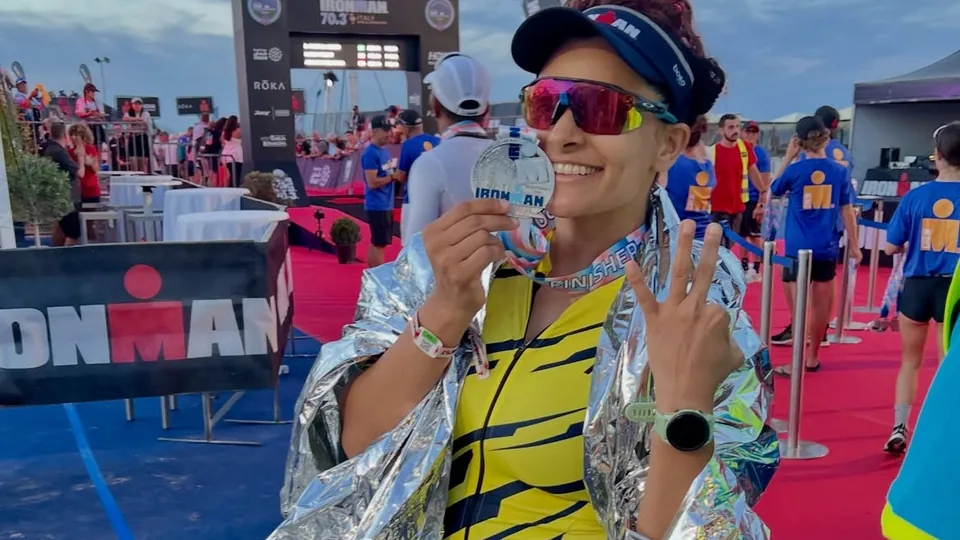
Actor Saiyami Kher has completed her third Ironman 70.3 triathlon, demonstrating how consistency, endurance training and nutrition can support demanding athletic goals. She finished the race in Italy despite temperatures reaching 31°C, improving her time by around 20 minutes compared with the previous year.
Balancing an acting career with intensive training requires careful planning. Kher’s approach offers a glimpse into the preparation needed for endurance sports.
1. What Is an Ironman 70.3?
The Half Ironman, officially known as Ironman 70.3, combines three endurance disciplines: a 1.9-kilometre swim, a 90-kilometre cycling leg and a 21.1-kilometre run. Athletes complete all three stages in one event, covering approximately 113 kilometres in total.
The challenge requires cardiovascular endurance, stamina, mental resilience and a well-planned approach to hydration and nutrition.
2. Training Five to Six Days a Week
Kher says preparing for the race typically involves six to eight months of training, with sessions scheduled five or six days a week. Her programme includes swimming, cycling and running, with the workload adjusted around filming commitments.
Long training sessions can last several hours, particularly on weekends. When work prevents her from following the usual schedule, she rearranges sessions during the week.
3. Why Carbohydrates Matter
As training mileage increases, Kher increases her carbohydrate intake to meet the demands of endurance exercise. Carbohydrates provide energy for prolonged physical activity and help replenish the body’s glycogen stores.
Her nutrition plan is structured around training intensity, with guidance from a nutritionist. The goal is to match food intake to energy expenditure rather than follow a restrictive diet while preparing for a demanding event.
4. Hydration and Electrolyte Balance
Racing in hot weather adds another challenge because athletes lose water and electrolytes through sweat. Kher says her nutritionist helps monitor salt and electrolyte intake, particularly in high temperatures.
For endurance athletes, hydration strategies should account for exercise duration, weather and individual sweat losses. Excessive water intake can also be dangerous, so a personalised plan is preferable to simply drinking as much as possible.
5. Training Around a Busy Film Schedule
Kher often works long filming shifts while maintaining her training routine. With outdoor cycling difficult to manage safely in Mumbai traffic, she uses indoor facilities to fit sessions into her schedule.
She says she can combine a long workday with a training session of around 90 minutes when necessary. Her experience highlights the importance of planning, flexibility and consistency when balancing professional commitments with athletic goals.
6. Consistency Over Quick Fixes
Kher’s preparation demonstrates that endurance performance is built over months rather than through last-minute workouts. Gradually increasing training volume, eating enough to support activity and allowing adequate recovery are important elements of a sustainable programme.
Her achievement also shows why individual training plans matter. Beginners should build fitness progressively and seek guidance from qualified coaches and healthcare professionals before attempting demanding endurance events.
Saiyami Kher’s third Half Ironman finish is a reminder that disciplined preparation, appropriate fuelling and adaptability can help athletes pursue ambitious fitness goals even with demanding schedules.