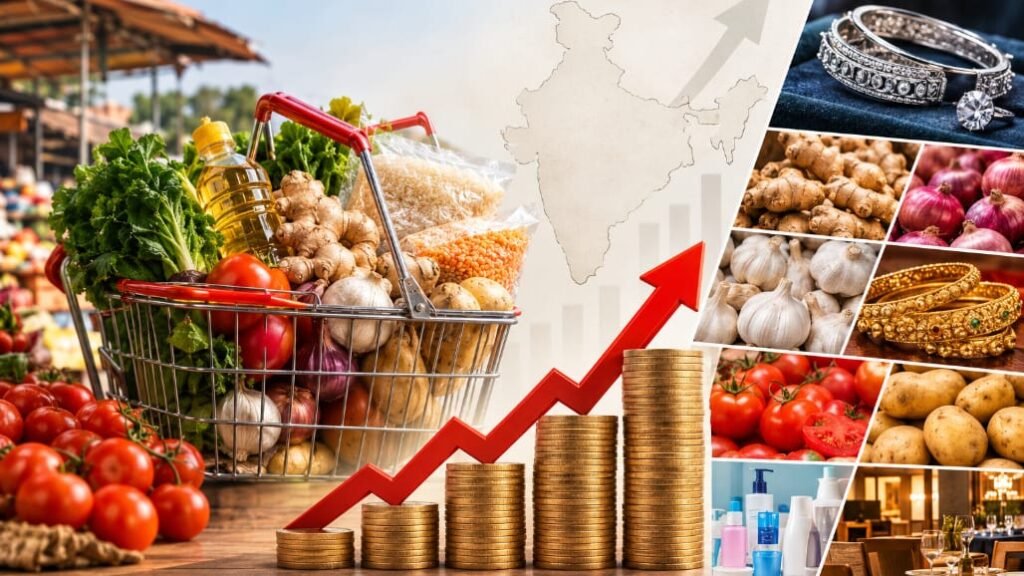
India’s retail inflation increased to 4.82% in August 2026, up from 4.45% in July, highlighting renewed price pressures across the economy. The latest figures show that food prices remained a major contributor to the rise in consumer inflation.
Food inflation climbed to 5.95% in August, compared with 5.52% in July. Prices of several essential food items increased sharply, with onion inflation rising to 48.27% and garlic inflation reaching 43.60%. At the same time, tomato and potato prices continued to show declines, offering some relief to consumers.
The increase in retail inflation could have a direct impact on household budgets, particularly for families facing higher grocery and everyday consumption costs. Rural inflation was also higher than urban inflation, with rural CPI inflation at 5.23% compared with 4.31% in urban areas.
The latest inflation data could also influence the Reserve Bank of India’s monetary policy decisions. Inflation has remained above the RBI’s 4% medium-term target for the third consecutive month, while higher global crude oil prices add another risk to the outlook.
Economists are now closely watching whether price pressures remain temporary or become broader across the economy. Any sustained increase in inflation could strengthen expectations of a future interest-rate adjustment.
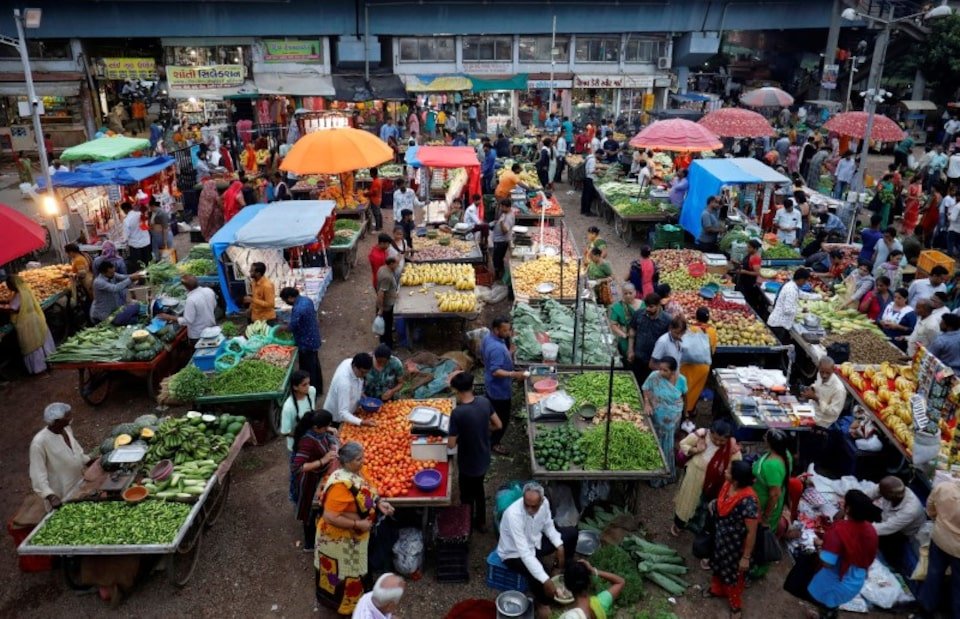
For consumers, the most immediate concern is the cost of everyday essentials. Higher prices for vegetables, spices and other food products can quickly translate into larger grocery bills. If inflation remains elevated for an extended period, households may have to adjust their spending patterns and reduce expenditure on non-essential goods and services.
At the same time, policymakers will be watching supply conditions, crude oil prices, weather patterns and global economic developments. Any further disruption to food supplies or a sustained increase in energy costs could create additional inflationary pressure.
The key question now is whether the August increase will prove temporary or develop into a broader inflation trend. Economists and policymakers will closely monitor food prices and core inflation in the coming months.
For the common consumer, however, the message is straightforward: higher retail inflation means greater pressure on household expenses, especially when essential food items become more expensive.
With inflation rising to 4.82% in August from 4.45% in July, India’s economic policymakers now face the challenge of balancing price stability with continued economic growth.