Science

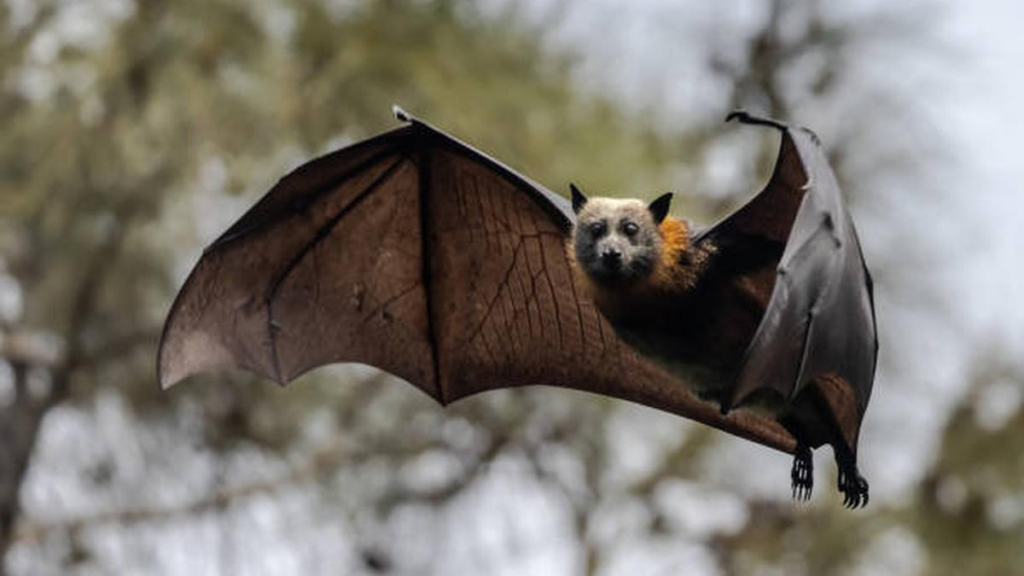
Bats May Have First Taken Flight in Europe 65 Million Years Ago, Study Finds

A major new study has offered a fresh explanation for one of the biggest questions in bat evolution: where did the world’s only naturally flying mammals first emerge? Researchers now suggest that bats most likely originated in Europe around 65 million years ago, during the Late Palaeocene. The finding challenges earlier theories that placed their

Bats May Have First Taken Flight in Europe 65 Million Years Ago, Study Finds Read More »

How AI Could Change the Way Difficult Scientific Problems Are Solved

Artificial intelligence is increasingly being used not only to analyse information, but also to explore difficult scientific questions. The examples in recent research show how AI can work alongside scientists in mathematics, plasma physics and other complex fields. Searching Through Difficult Mathematics The Navier–Stokes case shows one possible role for AI: exploring a problem that

How AI Could Change the Way Difficult Scientific Problems Are Solved Read More »

Tiny Mountain Chickadees Show Extraordinary Memory Skills

For mountain chickadees, remembering where food is hidden can be essential for surviving winter. These small birds can track enormous numbers of seed caches, even when snow covers the landscape. Scientists studying wild mountain chickadees in California’s Sierra Nevada report that some birds can keep track of as many as 100,000 individual seed caches. A

Tiny Mountain Chickadees Show Extraordinary Memory Skills Read More »

Scientists Identify Brain Cells Linked to the Growing Need for Sleep

Why does the need for sleep become stronger the longer we stay awake? Researchers studying mice have identified two groups of brain cells that may help explain how the body builds sleep pressure. Scientists from the University of Basel, Beth Israel Deaconess Medical Center and Auburn University examined brain activity during normal sleep and wake

Scientists Identify Brain Cells Linked to the Growing Need for Sleep Read More »

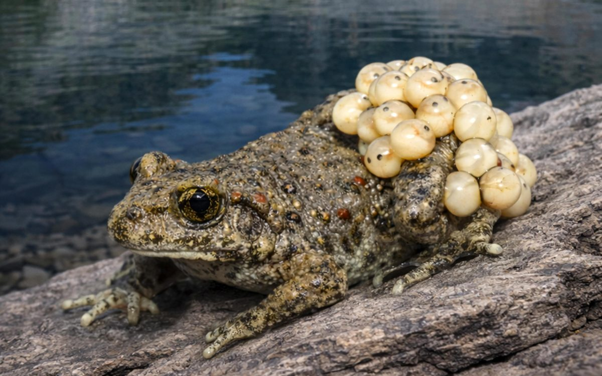
Why Some Toads Are Recovering From a Dangerous Fungal Disease

A fungal disease has caused major declines in amphibian populations, but some groups of common midwife toads have shown an unusual ability to recover. Scientists have found evidence that the timing of immune development may be part of the explanation. The disease is caused by Batrachochytrium dendrobatidis, or Bd, which produces chytridiomycosis. The fungus affects

Why Some Toads Are Recovering From a Dangerous Fungal Disease Read More »

AI Could Help Keep Nuclear Fusion Plasma Stable

Nuclear fusion requires extremely hot plasma to remain stable long enough for researchers to study and control fusion reactions. Because plasma can change rapidly, human operators may not have enough time to respond to developing instabilities. Researchers from Princeton University and the U.S. Department of Energy’s Princeton Plasma Physics Laboratory have developed an artificial-intelligence framework

AI Could Help Keep Nuclear Fusion Plasma Stable Read More »

Sewage Waste Could Become a New Ingredient in Stronger Concrete

A material normally treated as waste could have another use: helping produce stronger concrete. Researchers at Manipal University Jaipur have explored the use of biochar made from treated sewage sludge as a partial replacement for cement. The sewage waste was collected at a treatment facility in Warangal. Researchers processed it at high temperatures and converted

Sewage Waste Could Become a New Ingredient in Stronger Concrete Read More »

September 17: Hyderabad Liberation Day – Integration of Hyderabad State into the Indian Union

September 17 is observed as Hyderabad Liberation Day. It marks the historical date associated with the integration of the former princely state of Hyderabad into the Indian Union in 1948, following the military operation known as Operation Polo (also referred to as Police Action). After India’s independence on 15 August 1947, the Nizam of Hyderabad,

September 17: Hyderabad Liberation Day – Integration of Hyderabad State into the Indian Union Read More »

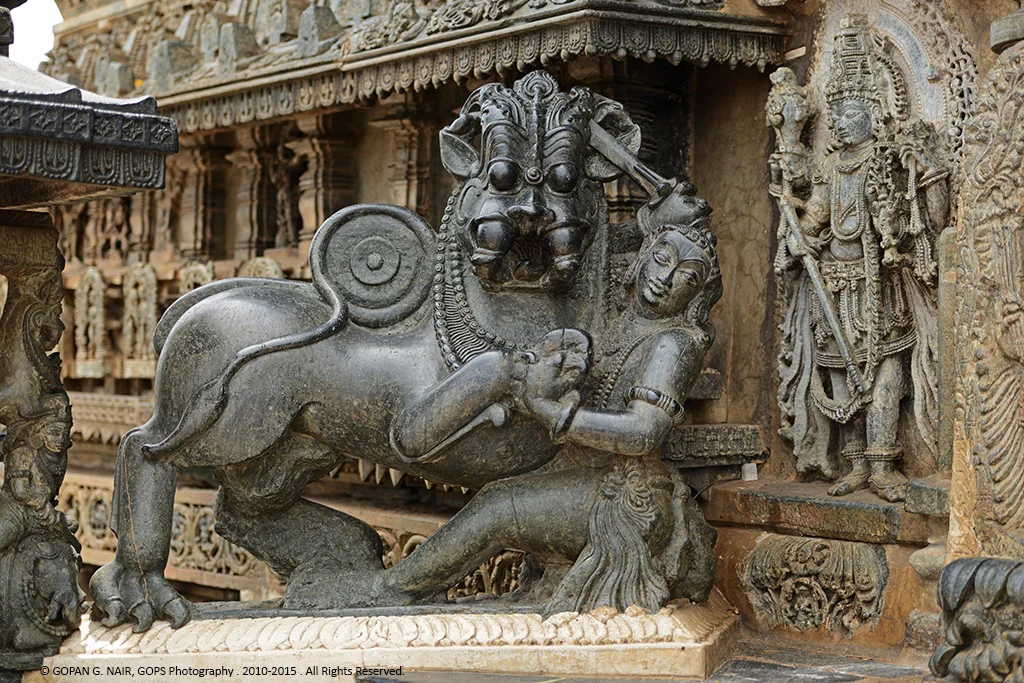
Belur’s 900-Year-Old Madanika Sculptures Showcase the Extraordinary Art of Hoysala India

The Chennakeshava Temple at Belur, Karnataka, is famous for its extraordinary stone carvings, intricate pillars and beautifully detailed sculptures. Built during the Hoysala period, the temple stands as one of the finest examples of medieval South Indian temple architecture. Among its most celebrated artistic features are the Madanikas, also known as bracket figures. These sculptures

Belur’s 900-Year-Old Madanika Sculptures Showcase the Extraordinary Art of Hoysala India Read More »

Jambukeswarar Temple: The Ancient Shiva Shrine in Thiruvanaikaval Known for Its Water Lingam

Jambukeswarar Temple, located at Thiruvanaikaval near Tiruchirappalli in Tamil Nadu, is one of the region’s most important historic Shiva temples. The temple is particularly famous for its association with water, one of the five elements represented in the Pancha Bhoota tradition. The temple’s main shrine houses a Shiva Lingam that is described by the Tiruchirappalli

Jambukeswarar Temple: The Ancient Shiva Shrine in Thiruvanaikaval Known for Its Water Lingam Read More »