
Science

Switzerland Loses Nearly 20% of Its Glacier Ice in Just Five Years

Switzerland’s glaciers are shrinking at an alarming rate, with nearly one-fifth of their total ice volume disappearing over the past five years. A new report has highlighted the growing impact of unusually low snowfall and extreme summer temperatures on the country’s iconic mountain landscapes. According to findings from the Swiss Academy of Sciences, Switzerland’s glaciers

Switzerland Loses Nearly 20% of Its Glacier Ice in Just Five Years Read More »

Scientists Create Diamondiyne, a New Porous Form of Carbon

Scientists have successfully created a new form of carbon called diamondiyne, expanding the range of structures that this versatile element can form. Developed by researchers in Sweden, the material has a three-dimensional bonding network similar to diamond but a more open, porous structure. The discovery could help scientists explore new materials with unusual physical and

Scientists Create Diamondiyne, a New Porous Form of Carbon Read More »

New Narcolepsy Drug Raises Hopes for Wider Health Benefits

A new class of medicines known as orexin agonists is attracting attention for its potential to treat conditions beyond sleep disorders. The drugs work by activating the brain’s orexin system, which helps regulate wakefulness and also plays a role in several other bodily functions. What Are Orexin Agonists? Orexins are chemical messengers produced in the

New Narcolepsy Drug Raises Hopes for Wider Health Benefits Read More »

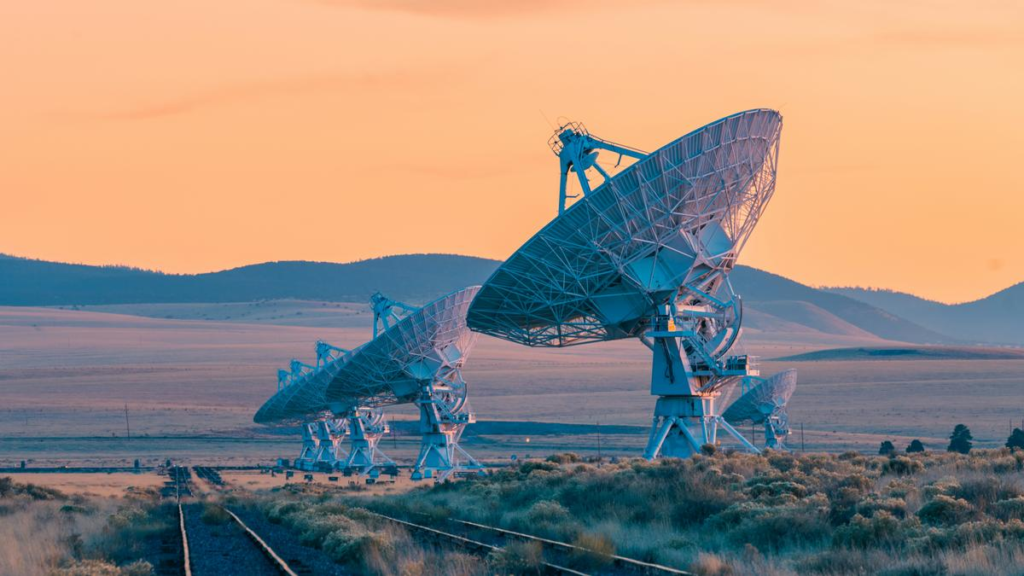
Satellite Radiation Is Interfering With Astronomy, Raising Concerns for Space Research

The growing number of communication satellites orbiting Earth is creating a new challenge for astronomers: radio signals emitted by satellites can interfere with the faint signals scientists use to study the universe. A recent study published in the Monthly Notices of the Royal Astronomical Society found that satellites in low Earth orbit produce not only

Satellite Radiation Is Interfering With Astronomy, Raising Concerns for Space Research Read More »

Brain Implants Help Restore Speech for People With Paralysis and Brain Injuries

Brain implants are offering new hope to people who have lost their ability to speak because of neurological diseases or serious injuries. Researchers are developing brain-computer interfaces that translate neural signals into words and synthetic speech, allowing people to communicate without relying on their vocal muscles. The technology could benefit people with conditions such as

Brain Implants Help Restore Speech for People With Paralysis and Brain Injuries Read More »

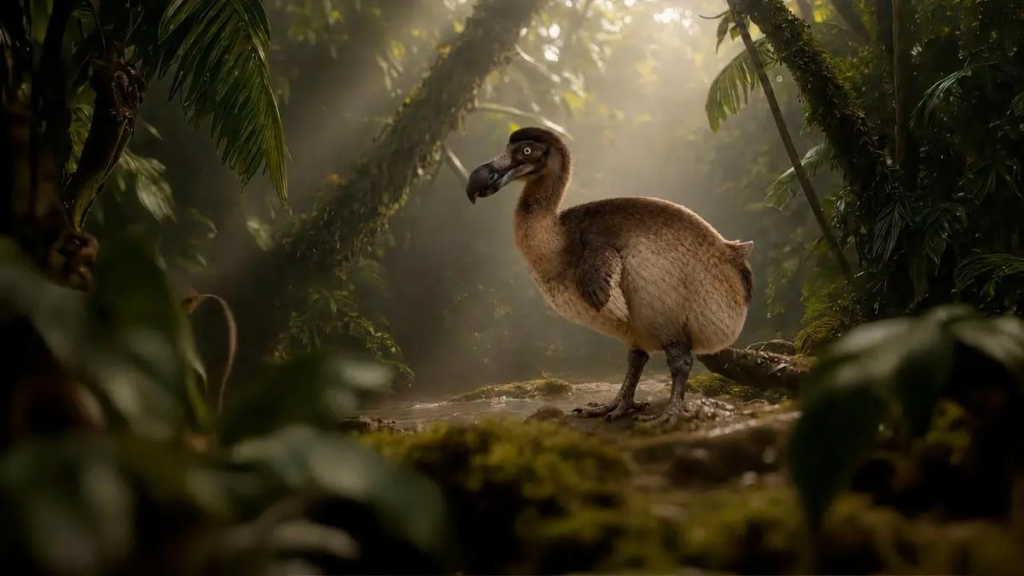
Can AI Help Bring Back the Dodo? Scientists Identify Key Genetic Targets

The dodo, a flightless bird that disappeared centuries ago, may be one step closer to a possible revival. US biotechnology company Colossal Biosciences says it has developed an artificial intelligence platform that can identify genetic changes potentially responsible for the bird’s distinctive appearance. The development represents progress in the emerging field of de-extinction, which explores

Can AI Help Bring Back the Dodo? Scientists Identify Key Genetic Targets Read More »

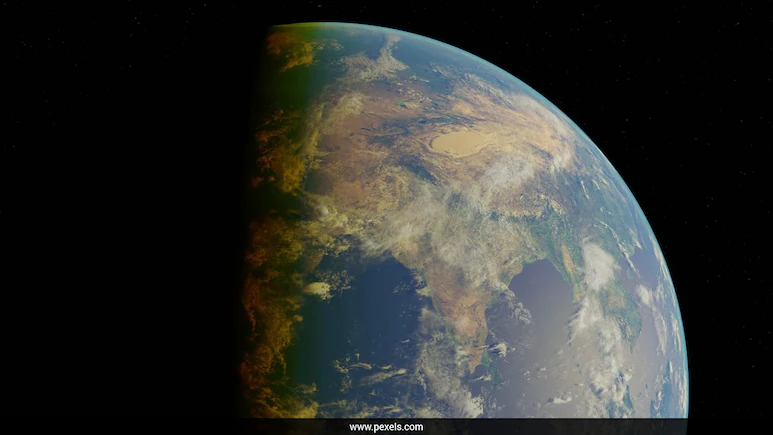
Earth May Not Be the Best Planet for Life: Scientists Explore ‘Superhabitable’ Worlds

Earth is the only planet currently known to support life, but scientists believe some worlds elsewhere in the universe could offer even more favourable conditions for living organisms. These hypothetical planets, known as superhabitable worlds, could have stable climates, abundant water and more time for life to evolve. Researchers are increasingly looking beyond planets that

Earth May Not Be the Best Planet for Life: Scientists Explore ‘Superhabitable’ Worlds Read More »

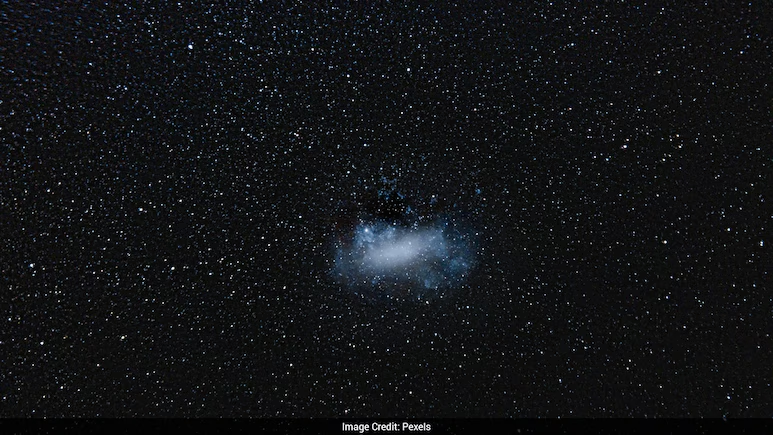
Scientists Discover a Possible Microblazar 12,000 Light-Years From Earth

Astronomers have identified a strong candidate for a rare cosmic object known as a microblazar, offering new insights into black holes and some of the universe’s most energetic particles. The object, called IRAS 18293-0941, is estimated to be around 12,000 light-years from Earth. Although its powerful jet is directed towards Earth, scientists say there is

Scientists Discover a Possible Microblazar 12,000 Light-Years From Earth Read More »

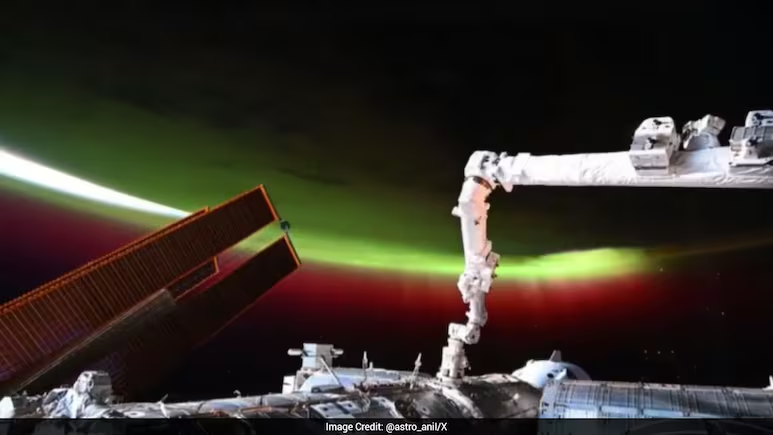
Astronaut Anil Menon Shares Stunning Green Aurora From Space After Solar Activity

NASA astronaut Anil Menon has shared a breathtaking view of a green aurora from the International Space Station (ISS), offering a spectacular glimpse of Earth’s natural light display. The video, posted on October 10, captured the glowing colours above the planet following significant solar activity.  Anil Menon Shares the View From Space Menon shared the

Astronaut Anil Menon Shares Stunning Green Aurora From Space After Solar Activity Read More »

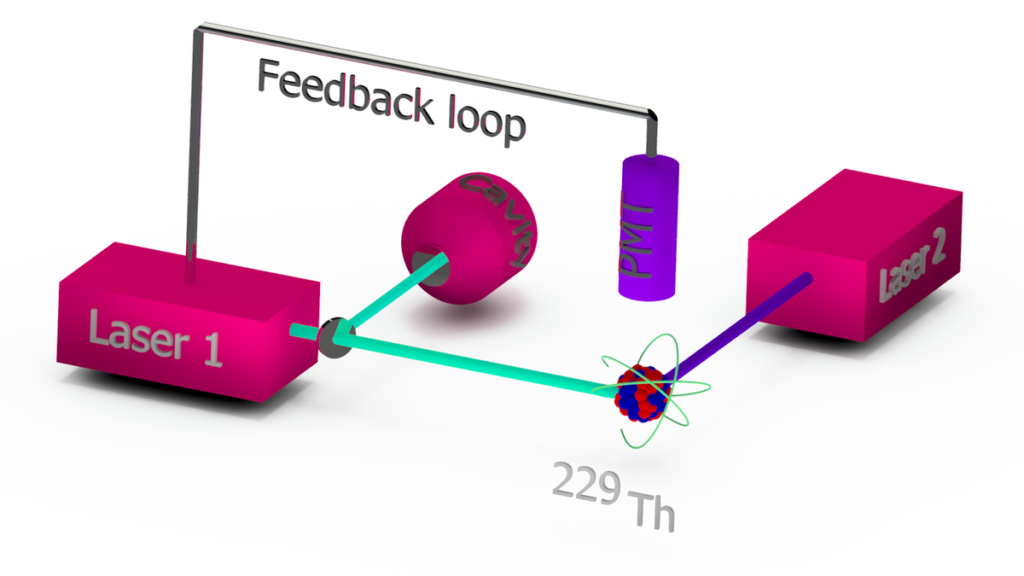
Scientists Develop the World’s First Working Nuclear Clocks, Opening a New Era in Timekeeping

Scientists have reported a major breakthrough in precision timekeeping with the development of the first operational nuclear clocks. The technology uses changes inside an atomic nucleus rather than the movement of electrons, offering a promising new approach to measuring time and studying fundamental laws of physics. Two research teams independently demonstrated working nuclear clocks, marking

Scientists Develop the World’s First Working Nuclear Clocks, Opening a New Era in Timekeeping Read More »