Science

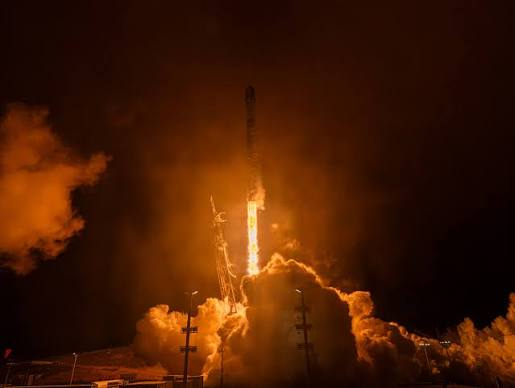
SpaceX Reaches 100 Falcon Missions in 2026 With Another Starlink Launch

SpaceX has reached another major milestone in its rapidly expanding launch programme, completing its 100th Falcon-family mission of 2026 with the deployment of 27 Starlink satellites into low Earth orbit. The Falcon 9 lifted off from Vandenberg Space Force Base in California on August 22, carrying the latest batch of Starlink satellites. The mission added

SpaceX Reaches 100 Falcon Missions in 2026 With Another Starlink Launch Read More »

Scientists Find a New Way to Turn Waste From the Paper Industry Into Valuable Chemicals

A material that has long been treated mainly as an industrial waste product could become a valuable source of chemicals. Researchers have developed a new process that transforms one of the toughest forms of lignin into chemical building blocks used in products ranging from medicines to dyes and fertilisers. The work, carried out by researchers

Scientists Find a New Way to Turn Waste From the Paper Industry Into Valuable Chemicals Read More »

Thunder Can Shake the Ground: Scientists Turn Storms Into Underground Maps

Thunderstorms may be more than spectacular displays of lightning and sound. Scientists have discovered that powerful thunderclaps can send vibrations into the ground—and those natural signals can be used to investigate what lies beneath Earth’s surface. In a recent study, researchers used intense sound waves generated by thunder to create maps of shallow underground geology

Thunder Can Shake the Ground: Scientists Turn Storms Into Underground Maps Read More »

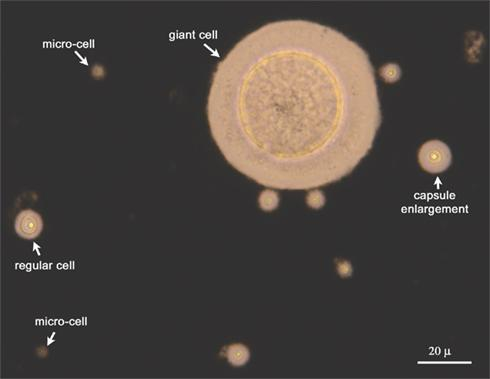
Hyderabad Scientists Uncover How a Deadly Fungus Creates Giant ‘Titan Cells’ to Survive

Scientists in Hyderabad have uncovered a previously unknown biological mechanism that helps a dangerous fungus transform into giant cells, giving it an advantage against the human immune system. The discovery could eventually open a new direction for developing treatments against serious fungal infections. Researchers at the CSIR-Centre for Cellular and Molecular Biology (CCMB) have identified

Hyderabad Scientists Uncover How a Deadly Fungus Creates Giant ‘Titan Cells’ to Survive Read More »

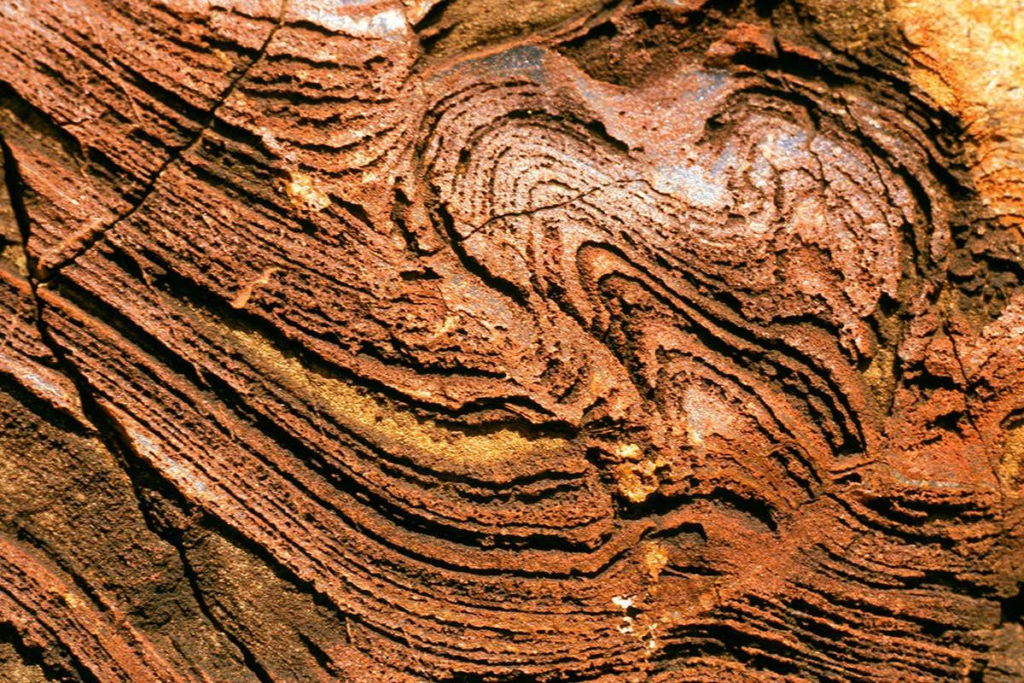
India’s 3.4-Billion-Year-Old Rock May Hold Clues to Earth’s Earliest Life

A remarkable geological discovery in eastern India is giving scientists a new window into the planet’s distant biological past. Researchers have identified possible signs of ancient microbial activity preserved inside a layered rock estimated to be around 3.4 billion years old. The finding is attracting attention because it could help scientists understand when and how

India’s 3.4-Billion-Year-Old Rock May Hold Clues to Earth’s Earliest Life Read More »