
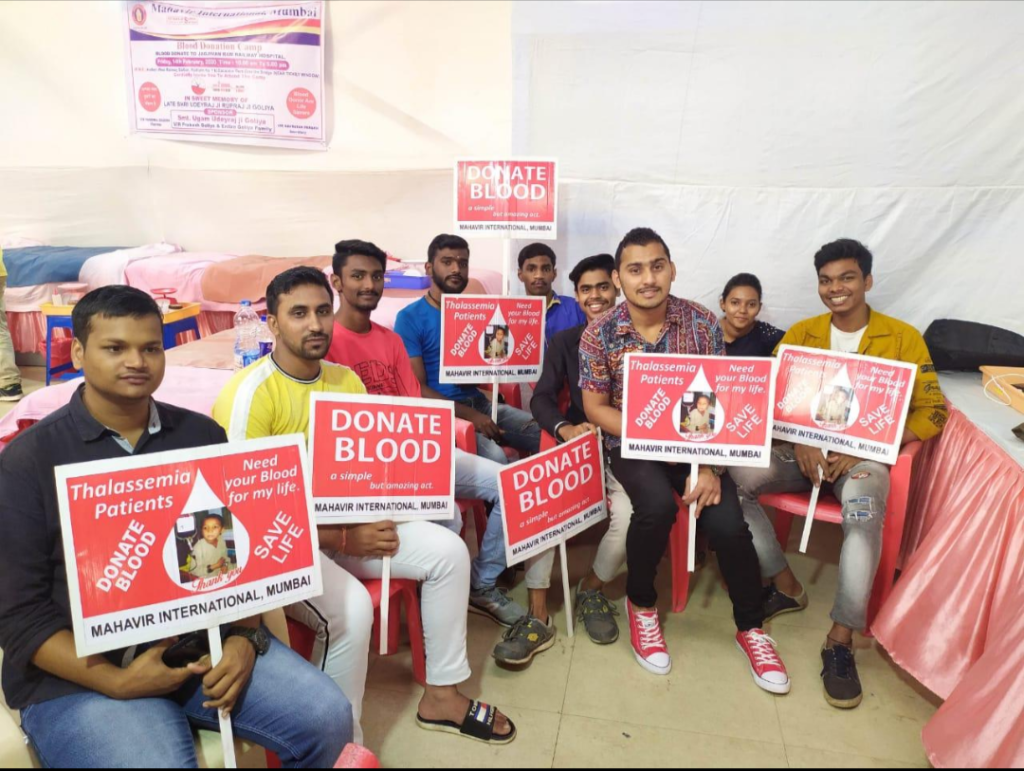
New Delhi, September 15, 2026: Doctors and haematology experts have once again underlined the vital importance of safe blood transfusions and regular clinical monitoring for people living with thalassaemia. For many patients with transfusion-dependent thalassaemia, blood transfusions are a lifelong necessity rather than an occasional procedure.
Why Safe Transfusions Matter
Thalassaemia major patients typically require transfusions every 15–20 days to maintain adequate haemoglobin levels. Each transfusion carries potential risks if the blood is not adequately screened and matched.
Experts highlight several key precautions:
Proper Screening: Blood should be screened for infections such as HIV, Hepatitis B and Hepatitis C. Nucleic Acid Testing (NAT), where available, significantly reduces the window period and improves safety, especially for patients receiving frequent transfusions.
Blood Matching: Extended phenotype matching helps prevent alloimmunisation (development of antibodies), which can complicate future transfusions.
Record-Keeping: Patients and caregivers should maintain detailed records of previous transfusions, any reactions, and antibody history to share with the medical team.
Prompt Reporting: Any symptoms during or after transfusion (fever, rash, breathing difficulty, etc.) should be reported immediately.
Importance of Regular Monitoring
Beyond transfusions, continuous monitoring is essential to manage iron overload — a common complication of repeated transfusions. Excess iron can damage the heart, liver, endocrine glands and other organs if not controlled through chelation therapy.
Recommended monitoring includes:
Pre-transfusion haemoglobin levels
Serum ferritin and other markers of iron overload
Periodic assessment of heart and liver function (including MRI where available)
Growth, endocrine and overall organ function checks
Guidelines from the Indian Society of Haematology and Blood Transfusion (ISHBT) and international bodies stress rational transfusion practices, timely initiation of iron chelation, and comprehensive multi-disciplinary care.
Broader Care Context in India
India has a significant burden of thalassaemia, with thousands of new cases reported annually. Government initiatives, free or subsidised transfusions and chelation in many states, and improved access to bone marrow transplants and emerging therapies are helping. However, experts continue to call for wider adoption of advanced blood safety measures (such as NAT), better carrier screening, genetic counselling, and equitable access to specialised care.
Patients and families are advised to stay in regular contact with their haematologist, follow transfusion schedules strictly, adhere to chelation therapy, and maintain a healthy lifestyle under medical guidance.