
Why Siberia Is in the Spotlight
A laboratory worker in Russia’s Siberian region died after developing pneumonia of unknown origin, prompting authorities to place around 200 people under medical observation. The incident sparked speculation about plague, but Russian health officials have not confirmed that plague caused the death.
What Is Bubonic Plague?
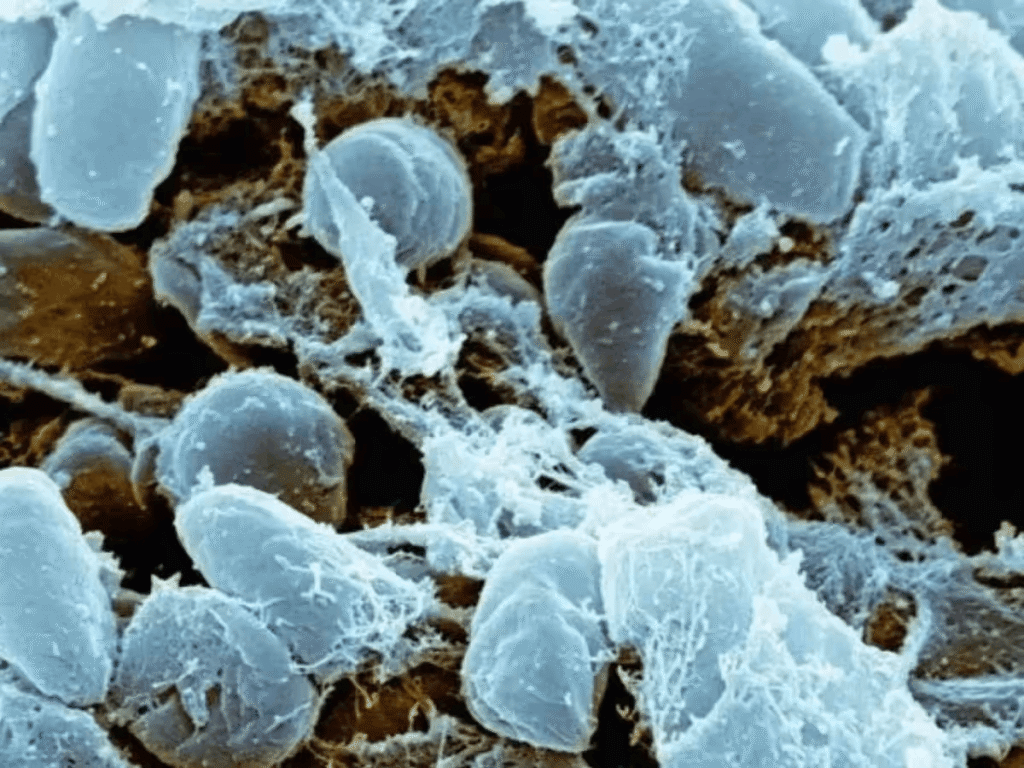
Bubonic plague is caused by the bacterium Yersinia pestis, which naturally circulates among small mammals and their fleas. It is the most common form of plague and typically causes fever, weakness and painful, swollen lymph nodes known as buboes.
How Does Plague Spread?
People can usually contract bubonic plague through the bite of an infected flea or through contact with infected animals or their tissues. Dogs and cats can also carry infected fleas into homes.
Unlike pneumonic plague, ordinary bubonic plague does not normally spread directly between people.
Why Is Pneumonic Plague More Concerning?
Plague can also affect the lungs, producing pneumonic plague, the most severe and potentially contagious form. It can spread from person to person through respiratory particles.
This form can progress rapidly, making early diagnosis and treatment particularly important.
Can Plague Be Treated?
Yes. Plague is a bacterial infection and can be treated with antibiotics when diagnosed promptly. WHO says early treatment can save lives, while untreated pneumonic plague can become fatal very quickly.
Should the World Be Worried?
At present, there is no evidence of a new global plague outbreak linked to the Siberian incident. Russian authorities say the situation is under control, contacts have been identified and no new plague infections have been confirmed.
The World Health Organization has also assessed the public-health risk to the general population as low based on the information currently available.
What This Means for the Public
The Siberia incident highlights why unusual infections are investigated quickly, particularly when they involve a worker from a specialised infectious-disease laboratory. However, the current evidence does not support treating the incident as a new pandemic threat.
For plague generally, avoiding contact with potentially infected animals and fleas, maintaining hygiene and seeking prompt medical care after concerning exposure remain important preventive measures.