
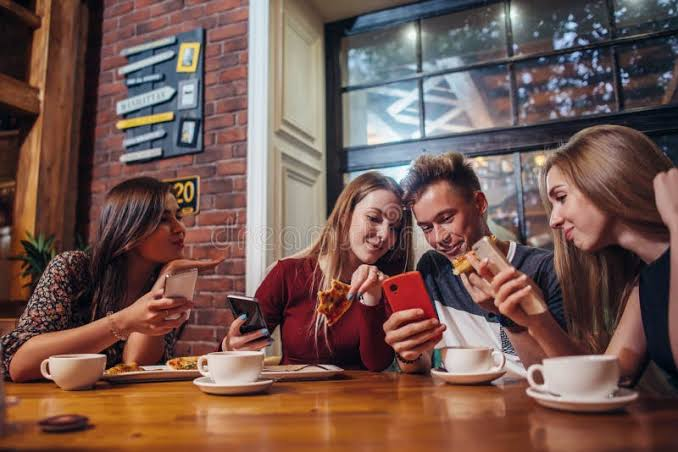
Social media has moved far beyond being a place to share photographs, chat with friends or follow celebrities. In 2026, it is becoming increasingly connected to the way people discover products, learn new skills, explore interests and make everyday choices.
The biggest change is that social platforms are becoming more personalised and interactive. Instead of simply scrolling through a feed, users are increasingly discovering information, products and communities based on their individual interests. Social media is also becoming a stronger part of the shopping journey, with short videos, creators and messaging helping people move from discovering a product to considering and purchasing it
Shopping Is Becoming More Social
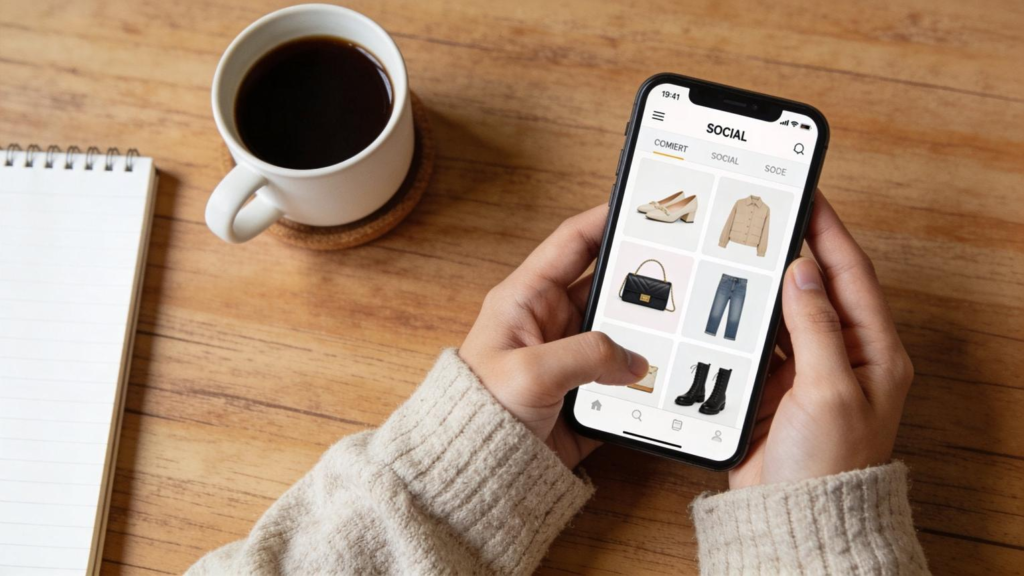
Online shopping is no longer limited to visiting an e-commerce website and typing a product into a search bar. Social platforms are increasingly influencing what people notice and buy.
Short-form videos, creator recommendations and product-focused content can introduce shoppers to items while they are browsing entertainment. In India, the shift is particularly visible as brands increasingly combine video, creators, AI tools and messaging to make shopping more interactive.
This means a person might discover a new outfit through a Reel, ask questions through a messaging app and then complete the purchase with only a few additional steps.
AI Is Becoming Part of the Social Experience
Artificial intelligence is also changing what people see online. Platforms and creators are using AI to produce content, personalise recommendations and make digital experiences more relevant.
For users, this could mean seeing recommendations that are increasingly tailored to their interests. For creators, AI can help with tasks such as producing visual material, writing captions, translating content and developing ideas.
However, the growing presence of AI is also creating a greater demand for authenticity. Recent social-media research suggests that highly polished content is losing some of its appeal as audiences increasingly value material that feels natural, relatable and genuinely human.
Social Media Is Becoming a Search Tool
Another important lifestyle shift is the way people look for information.
Instead of relying exclusively on traditional search engines, many users now turn to social platforms to discover restaurants, products, travel ideas, tutorials, fashion inspiration and other everyday information. Social search is becoming an important part of how younger audiences explore topics online.
This has changed the role of social media. A platform that once existed mainly for communication can now function as a combination of entertainment feed, search tool, shopping guide and learning resource.
Smaller Communities Are Finding Their Audience
The future of social media may not belong entirely to platforms with the largest audiences. Smaller communities built around specific interests are becoming increasingly important.
People interested in photography, cooking, books, travel, gaming, fashion or particular hobbies can find communities where conversations are more focused. Rather than trying to reach everyone, these spaces allow people to connect with others who share very specific interests.
This is also changing the creator economy. A creator does not necessarily need millions of followers to build influence. A smaller audience that is highly interested in a particular subject can be valuable to both creators and brands.
The Push for a More Balanced Digital Life
At the same time, constant connectivity is encouraging some users to rethink how much time they spend online.
Digital breaks, quieter online routines and more conscious use of social platforms are becoming part of the wider conversation around modern lifestyles. The goal is not necessarily to abandon social media but to become more selective about how and when it is used.
This creates an interesting contrast: social media is becoming more deeply integrated into everyday life while some users are simultaneously looking for ways to create healthier boundaries around it.
Learning Is Moving Into the Feed
Social platforms are also becoming useful spaces for learning. Short tutorials, explainers, demonstrations and creator-led educational content allow users to pick up information while using platforms they already visit.
Cooking, languages, technology, photography, personal finance and creative skills are among the many subjects that can be explored through short-form and long-form digital content.
This makes learning more flexible. Instead of waiting for a formal class, people can discover a tutorial whenever they need help with a particular skill.
What This Means for Everyday Life
The biggest lifestyle change may be the disappearance of clear boundaries between socialising, shopping, entertainment, learning and discovering information.
A single social platform can now influence what someone watches, where they travel, what they buy, which skills they learn and which communities they join.
The direction of social media in 2026 therefore appears to be less about simply collecting followers and more about relevance, personalisation and real-world influence. AI may make digital experiences faster and more personalised, while creators and communities continue to provide the human element that keeps people engaged.
As these changes continue, social media is becoming less of a separate online activity and more of an everyday lifestyle layer one that increasingly shapes how people discover, decide, communicate and spend their time.