
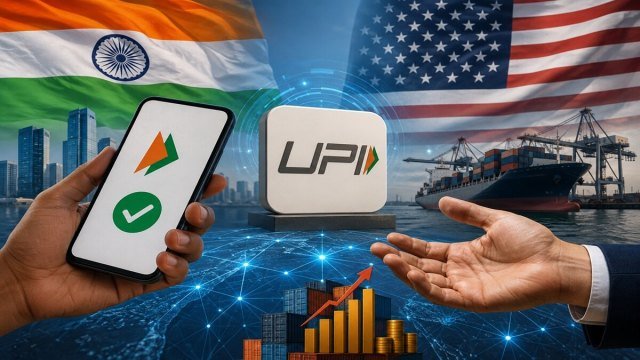
A fresh political controversy is emerging around India’s Unified Payments Interface (UPI), with critics questioning whether the Narendra Modi-led government is considering policy changes that could eventually allow transaction fees and create greater opportunities for foreign payment companies.
The debate has triggered sharp political reactions, particularly over the future of India’s widely used digital payments ecosystem. UPI has become one of the most important pillars of India’s digital economy, allowing users to transfer money instantly through banks and payment applications without traditional transaction charges for most consumer payments.
Opposition voices have used the issue to question the government’s economic and foreign-policy decisions. Critics have alleged that New Delhi could be coming under pressure from the United States and other international economic interests. However, such political allegations should be distinguished from confirmed government policy or official announcements.
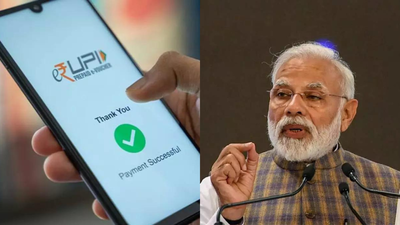
UPI’s success has largely been built around convenience, low-cost digital transactions and widespread adoption. Millions of Indians use UPI every day for shopping, bill payments, money transfers and small business transactions.
A change in the existing fee structure could therefore have a significant impact on consumers, merchants, banks and payment service providers. Even a small charge on transactions could raise questions about affordability, particularly for small retailers and users who depend heavily on digital payments.
The possibility of changes to UPI’s commercial model has also renewed discussions about how payment companies should be compensated for providing digital infrastructure and services.
Political critics have particularly focused on the role of international payment companies in India’s financial technology market. Global firms have shown strong interest in India’s rapidly expanding digital payments sector, while domestic platforms have also established a major presence.Opposition leaders and government critics may use the controversy to argue that policy decisions should prioritise India’s domestic digital ecosystem and strategic interests.
The allegation that the government is “surrendering to American pressure” is, however, a political characterization rather than an established fact unless supported by official evidence. Any proposed policy change would need to be examined through government notifications, regulatory decisions and statements from the relevant authorities.
UPI has transformed the way Indians make payments. From roadside vendors to large retailers, QR-code payments have become part of everyday economic activity.The system has also attracted international attention because of its scale and technology. India has been working to expand UPI’s international reach through partnerships and arrangements with several countries.Because of this growing influence, decisions concerning UPI’s pricing structure, competition rules and participation by foreign companies are likely to receive considerable political and public attention.
The key issue will be whether the government or financial regulators announce any concrete changes to UPI transaction charges or payment-market rules.Until an official policy is announced, claims about a confirmed decision to introduce UPI fees or specifically favour particular American payment companies should be treated cautiously.
The controversy nevertheless highlights a larger question: how can India maintain UPI’s affordability for ordinary users while ensuring that banks, payment companies and technology providers have a sustainable business model?As political parties continue to debate the issue, UPI is likely to remain at the centre of discussions about India’s digital economy, financial sovereignty and the country’s relationship with global technology and payment companies.