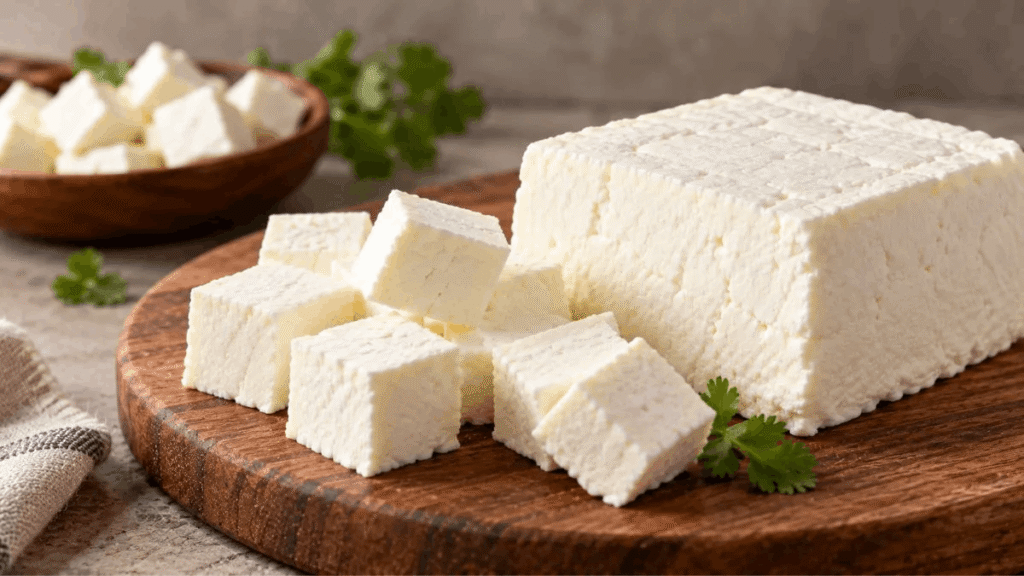
Paneer is a familiar ingredient in Indian kitchens, but not every product sold using a similar appearance or description is made entirely from milk. The recent FSSAI proposal on analogue paneer has brought renewed attention to what consumers are actually buying.
What Is Analogue Paneer?
Analogue paneer refers to a product in which some or all of the milk-derived ingredients are replaced with ingredients that do not come from milk.
Such products may use ingredients including vegetable oils, starches, plant proteins, emulsifiers and other additives. Traditional paneer, in contrast, is a milk-based product.
Why Has FSSAI Proposed New Rules?
The Food Safety and Standards Authority of India has proposed an amendment that would restrict non-milk-derived analogue products from being manufactured or sold as “paneer”. The stated objective is to prevent consumers from being misled about a product’s nature and composition.
Products already registered or licensed under the “Analogue in Dairy Context” category would also have to discontinue using the word “paneer” in their names, labels or marketing if the proposal takes effect.
How Is It Different From Traditional Paneer?
The main distinction is the ingredients used to make the product. Traditional paneer is produced from milk, while analogue products can contain non-milk ingredients that replace some of the dairy components.
This difference can matter to consumers who specifically want a milk-based food or need to know exactly what ingredients they are consuming.
Does Eating It Regularly Mean It Is Unsafe?
The fact that a product is an analogue does not automatically mean that eating it causes harm. Its nutritional profile depends on the ingredients, quantities and overall formulation.
Consumers should therefore avoid assuming that every analogue product is either healthy or unhealthy simply because it is different from traditional paneer. Checking the ingredient list and nutrition information can provide more useful information.
Why Clear Labelling Matters
Clear naming and labelling can help shoppers distinguish between traditional dairy products and alternatives. FSSAI’s proposal specifically focuses on preventing confusion over whether a product is actually derived from milk.
What Should Consumers Check?
When purchasing paneer or paneer-based foods, consumers can check the product name, ingredient list and nutritional information. For packaged foods, reading the label can help identify the ingredients used in the product.
The FSSAI proposal is currently part of the regulatory process, with the authority inviting objections and suggestions before further action.
The Bigger Food-Safety Conversation
The analogue paneer debate highlights the importance of transparent food labelling. As food products become more varied, knowing what is actually in a product can help consumers make informed choices about what they buy and eat.