
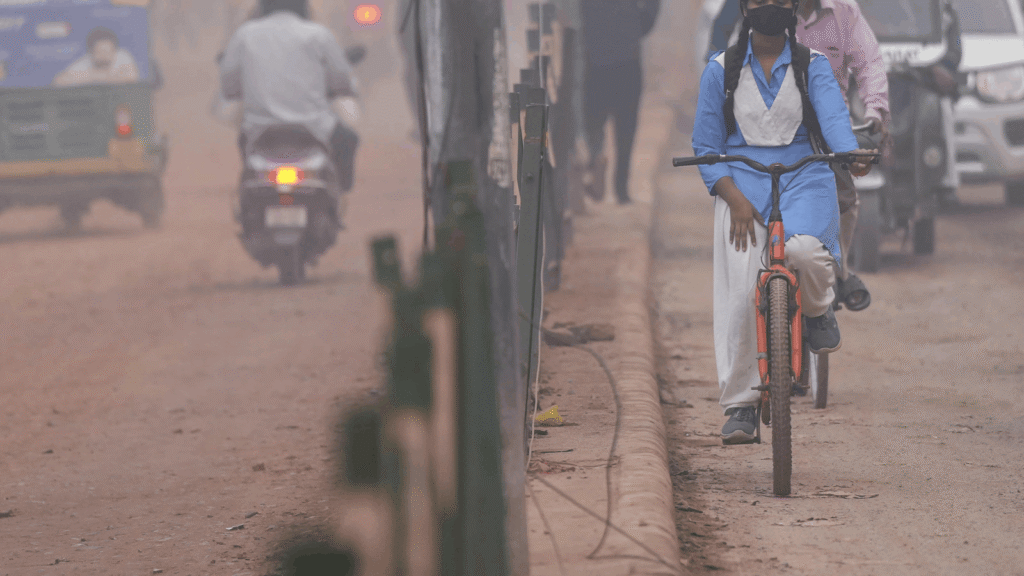
Air pollution is not only an environmental and public health crisis; it is also creating a significant economic burden for India. From lost working hours and reduced productivity to rising medical expenses, polluted air affects households, businesses and the country’s overall growth.
A 2021 study published in The Lancet Planetary Health estimated that air pollution-related premature deaths and illnesses cost India around 1.36% of its GDP in 2019, equivalent to approximately $36.8 billion. The estimate highlights how the consequences of polluted air extend far beyond hospitals and city pollution monitors.
Pollution Reduces Workforce Productivity
Poor air quality can affect people’s ability to work efficiently. Construction workers, delivery riders, drivers and street vendors are particularly vulnerable because their jobs often require long hours outdoors.
When pollution levels rise, workers may fall ill, lose working days or face restrictions on outdoor activities. For daily-wage earners, even a short break from work can mean an immediate loss of income.
Office employees are affected too. Respiratory problems, fatigue, medical appointments and family members falling sick can contribute to absenteeism and reduced concentration.
Billions Lost Through Premature Deaths and Illness
The 2019 economic estimate attributed approximately $28.8 billion in lost output to premature deaths linked to air pollution, while illnesses accounted for another $8 billion.
The same research found that the economic burden varied considerably across states, with Delhi recording the highest per-capita loss. These figures demonstrate that pollution can affect both household financial security and national economic performance.
A separate World Bank working paper also found that greater exposure to fine particulate matter was associated with a 0.56-percentage-point reduction in annual district-level GDP growth.
Rising Medical Expenses Put Pressure on Families
Air pollution is associated with several health conditions, including asthma, chronic obstructive pulmonary disease and cardiovascular problems. Long-term exposure can also worsen existing illnesses.
Treatment often involves repeated consultations, medicines, inhalers and diagnostic tests. These expenses can become difficult for families managing chronic conditions.
According to the figures cited in the NDTV article, out-of-pocket payments represented 47.1% of India’s total health expenditure in 2019–20. This means households carry a substantial share of healthcare costs themselves.
Hospitals Face Greater Pressure During Smog Episodes
Severe pollution episodes can increase the number of people seeking medical attention, placing additional pressure on emergency departments and public hospitals.
The financial burden is not limited to treatment. Healthcare systems must also manage recurring illnesses, diagnostic requirements and longer-term care.
This creates a gap in policymaking: health departments often bear the cost of pollution-related illness, while decisions affecting emissions are made across transport, energy, agriculture and urban development sectors.
Why Pollution Control Is Also an Economic Priority
Reducing emissions from vehicles, power plants, brick kilns, industrial facilities and agricultural burning can deliver benefits beyond cleaner air.
Measures such as improved public transport, cleaner energy, better industrial standards and effective crop-residue management could help reduce exposure. Workplace advisories based on air quality and protection for outdoor workers during severe pollution episodes may also limit income losses.
The economic argument for prevention is significant: reducing pollution can protect public health while supporting workforce participation and productivity.
Clean Air Could Strengthen India’s Long-Term Growth
India’s pollution challenge cannot be addressed through healthcare spending alone. It requires coordinated action involving environmental authorities, employers, industries, transport planners and public health institutions.
The economic estimates underline the scale of the problem, although they are based on research from earlier years and should not be mistaken for a current annual loss calculation.
Treating clean-air measures as an investment in public health and economic resilience could help reduce future medical costs, protect livelihoods and support sustainable growth.