
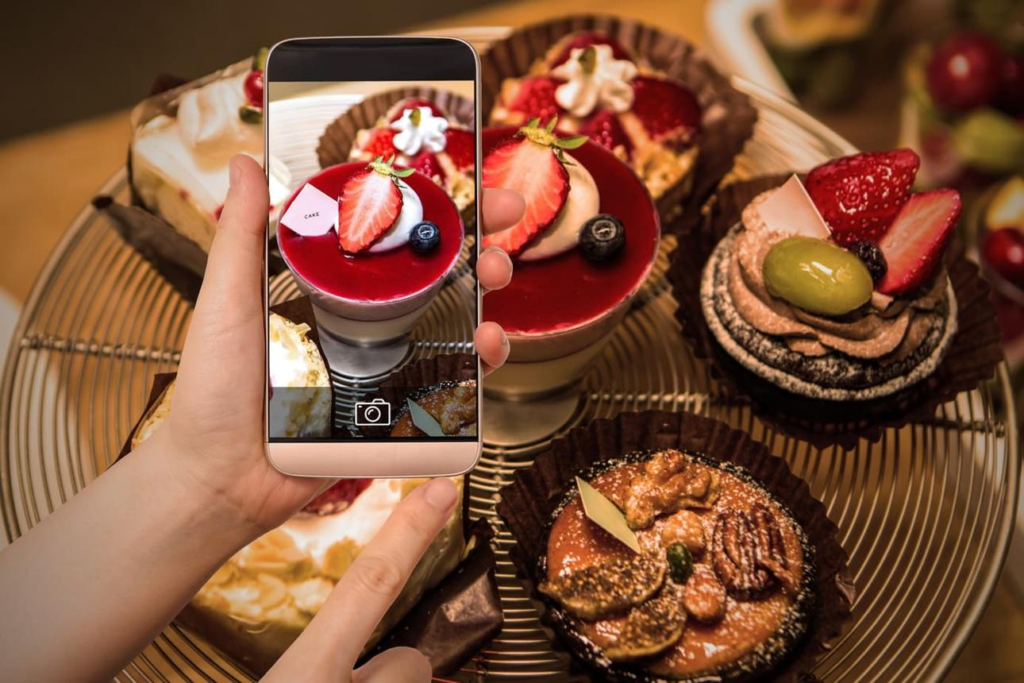
Food trends used to spread through restaurants, television shows and word of mouth. Today, a short video can introduce an unusual dish to millions of people within hours.
In 2026, social media is playing a major role in determining which foods attract attention. Bright colours, unexpected combinations, dramatic preparation methods and unusual presentations are turning ordinary dishes into online sensations. Recent food coverage has featured everything from matcha fried chicken and chocolate-covered Pringles to matcha-and-ube desserts and creative Indian fusion drinks.
But the popularity of viral food is about more than unusual recipes. It reflects a broader change in how people discover, discuss and experience food.
Unusual Combinations Are Winning Attention
One of the easiest ways for a food idea to become shareable is to combine ingredients people do not normally associate with each other.
Matcha fried chicken, for example, has attracted attention precisely because matcha is more commonly associated with drinks and desserts. Similarly, social-media users have been experimenting with melted chocolate and Pringles, creating a combination built around the contrast between sweet and salty flavours.
Some combinations may become lasting food trends, while others are simply created for curiosity. Either way, their unusual nature gives people a reason to watch, comment and share.
Visual Appeal Matters Almost as Much as Taste
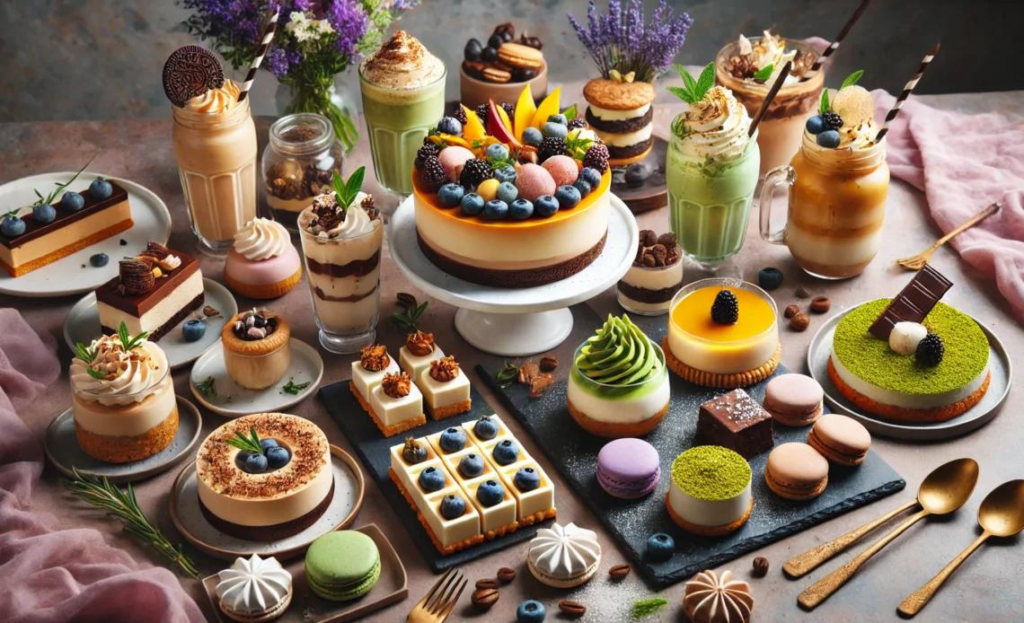
A food trend does not always need to be completely new to become popular.
Sometimes the presentation is what attracts attention. Unusual shapes, colourful ingredients, dramatic preparation or an unexpected serving style can make a familiar food look completely different.
Fish-shaped momos, for example, gained attention online because their appearance made them look almost like real fish. Such dishes demonstrate how visual creativity can become part of the dining experience itself.
For creators and food businesses, presentation has therefore become an important part of storytelling.
Indian Food Is Getting New Twists
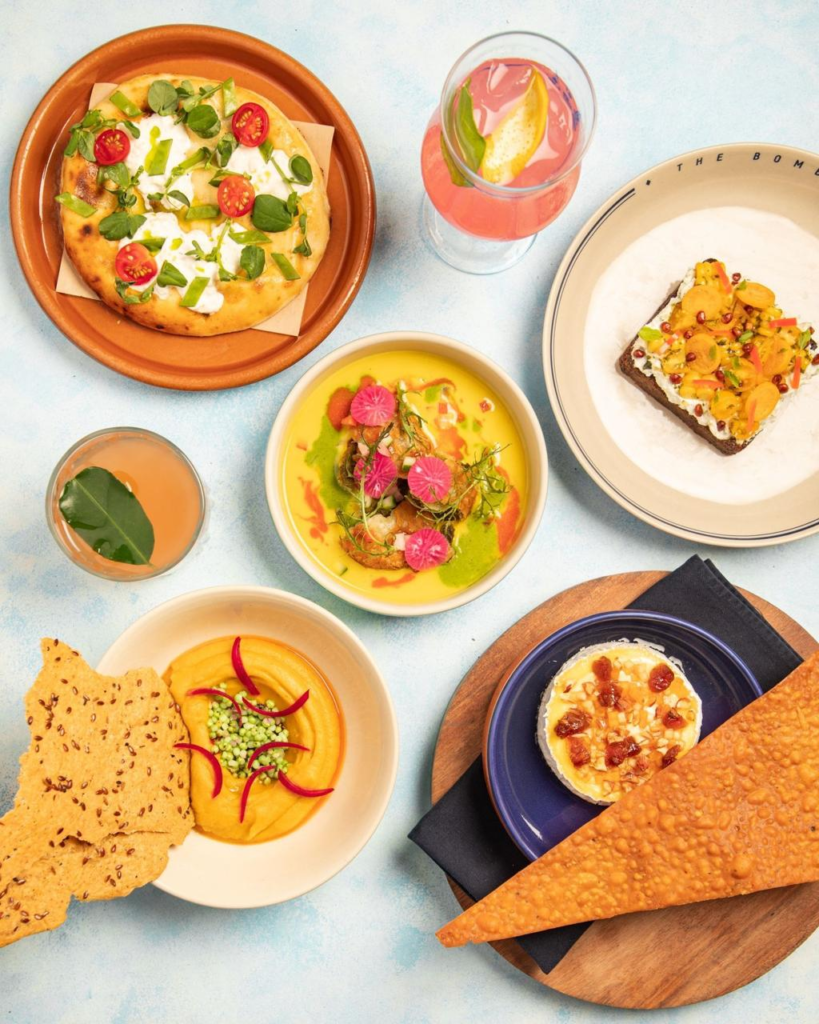
Viral food culture is not limited to international dishes.
Indian foods are also being transformed through experimentation. Traditional ingredients and familiar snacks are being combined with newer flavours, formats and presentation styles.
Recent online trends have included unusual takes on Indian drinks and desserts, while street-food vendors and home cooks are using social platforms to showcase creative interpretations of familiar dishes. NDTV Food’s current coverage includes examples ranging from strawberry sugarcane juice to matcha jalebi and strawberry lassi combinations.
The result is a growing space where traditional Indian food and global food trends meet.
Café Culture Is Influencing Food Trends
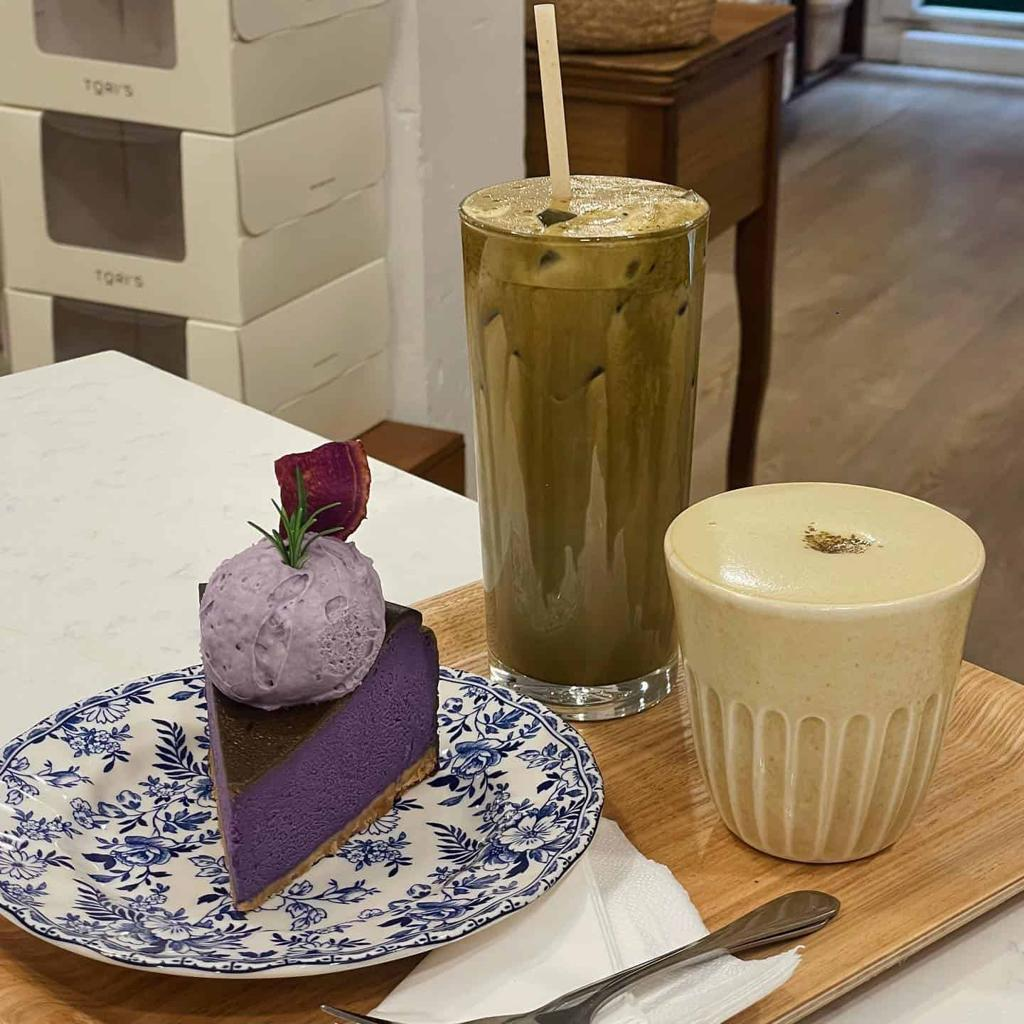
The popularity of matcha and ube also shows how café culture can influence broader food habits.
Matcha lattes and ube-based desserts have become highly visible online, helped by their distinctive colours and strong visual appeal. Once a drink or dessert becomes popular on social platforms, cafés and bakeries can begin introducing their own versions.
This creates a cycle: social media makes a product popular, businesses respond to demand, and new versions generate even more content.
Creators Are Becoming Food Trendsetters
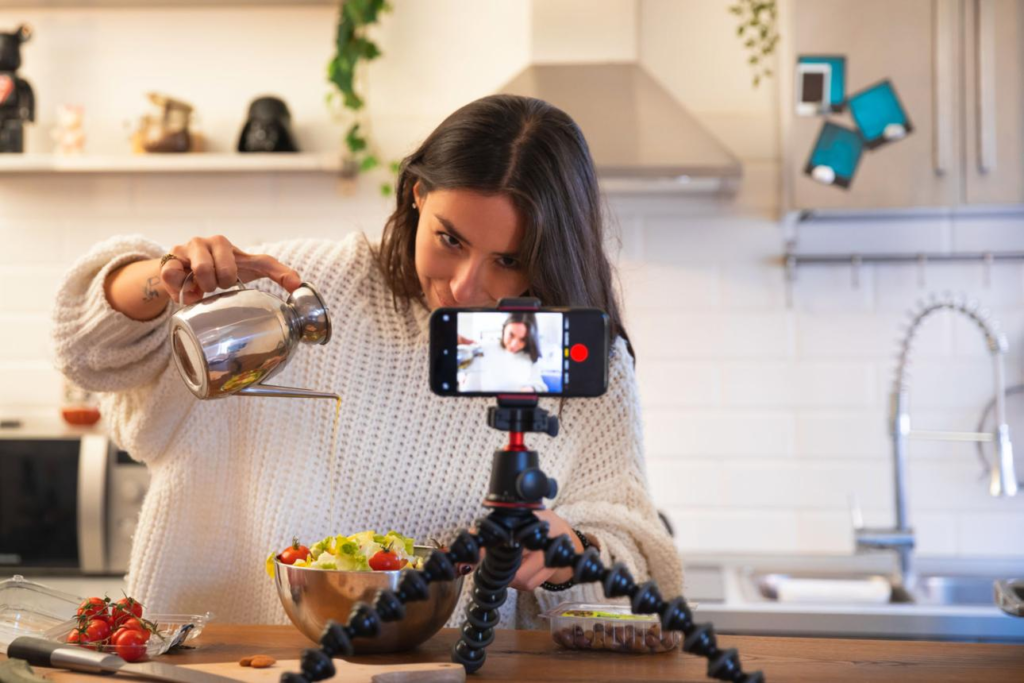
Food influencers and everyday creators now have considerable power to introduce dishes to new audiences.
A person trying an unusual recipe at home can sometimes attract more attention than a traditional food advertisement. Viewers see the preparation, reaction and final result in a format that feels immediate and personal.
That makes food trends less dependent on established chefs or major restaurants. A home cook, street vendor or small café can potentially become part of a wider food conversation through one successful video.
Not Every Viral Food Becomes a Lasting Trend
Going viral does not necessarily mean a food will remain popular.
Some trends attract attention because people genuinely want to try them. Others become popular because they are strange, funny or controversial.
Recent NDTV coverage has shown this range clearly, from unconventional food experiments to dishes that sparked strong reactions online. Matcha fried chicken, Diet Coke chicken and bizarre fusion recipes have all generated curiosity precisely because they challenge expectations about what food should taste like.
Once the novelty disappears, many such trends quickly fade.
The Experience Is Becoming Part of the Meal
Another change is that people increasingly share the experience of discovering food, not just the food itself.
A colourful drink, an unusual dessert or an entertaining preparation process can become something people photograph, film and discuss. Dining therefore becomes both a physical experience and a digital one.
This is particularly important for younger consumers, for whom discovering a new café or dish can be connected to social-media culture.
What Makes a Food Trend Go Viral?
There is no guaranteed formula, but several characteristics appear repeatedly:
- An unexpected ingredient combination
- Strong visual appeal
- A simple idea that people can understand quickly
- A surprising preparation method
- A connection to an existing food trend
- Creator participation
- Easy-to-share video content
- A reaction that encourages conversation
The most successful trends often provide people with a reason to ask one simple question: “Would you try this?”
From Internet Trend to Real-World Food Culture
The most interesting part of viral food culture is what happens after the video stops trending.
Some internet-born ideas disappear within weeks. Others influence café menus, restaurant concepts and home cooking long after their original videos have faded.
This means social media is no longer simply documenting food culture. It is increasingly helping to create it.
The New Food Trend Cycle
The journey of a viral food can now be remarkably fast.
A creator experiments with an ingredient. A video attracts attention. Other users recreate it. Restaurants and cafés notice the interest. More versions appear online, and suddenly a once-unusual combination becomes familiar.
That cycle is changing the way people discover food.
For consumers, it means there is always something new to try. For restaurants, creators and food brands, it creates an opportunity to experiment with flavours, presentation and storytelling.
A Food Culture Built for Sharing
The viral food phenomenon is ultimately about more than strange recipes.
It reflects a culture in which discovery, creativity and sharing have become part of the eating experience. Traditional foods are being reimagined, international ingredients are finding new audiences and even ordinary snacks can become internet sensations when presented in an unexpected way.
Some trends will disappear as quickly as they arrive. Others may become permanent additions to modern food culture.
For now, one thing is certain: the next food trend may be only one viral video away.