
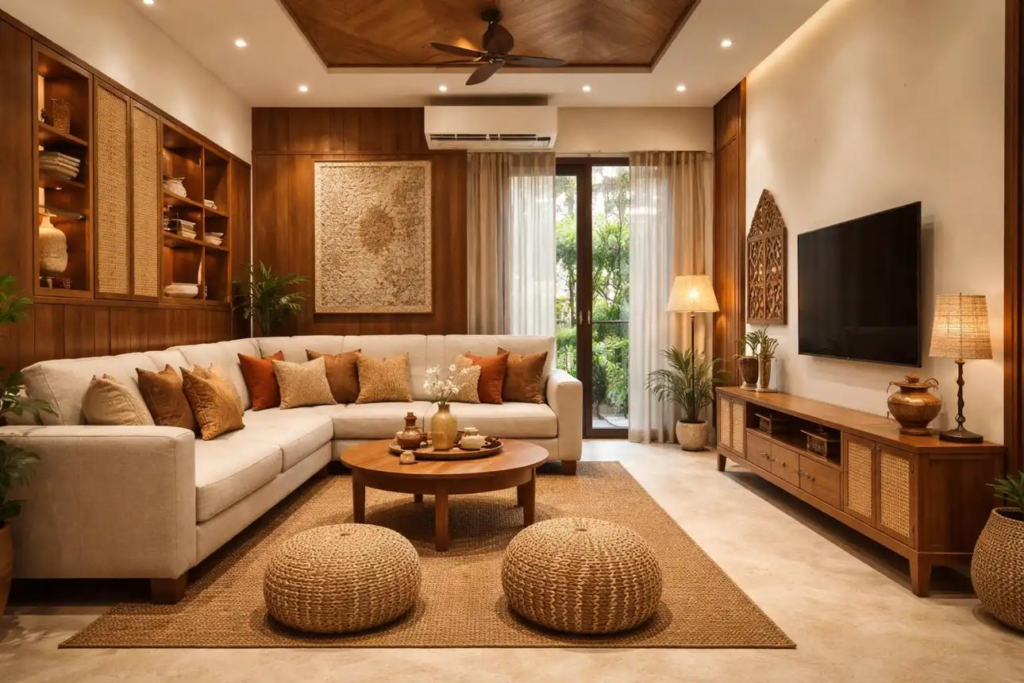
For years, interior design often revolved around creating rooms that looked polished, coordinated and picture-perfect. In 2026, that approach is changing.
Today’s interiors are increasingly being shaped around comfort, memories, craftsmanship and personal taste. Instead of making a home look like a showroom, homeowners are creating spaces that feel lived in and reflect the people who actually use them. Architectural Digest India’s 2026 trend report describes this wider shift toward storytelling, atmosphere and emotional connection in interior design.
Homes Are Becoming More Personal
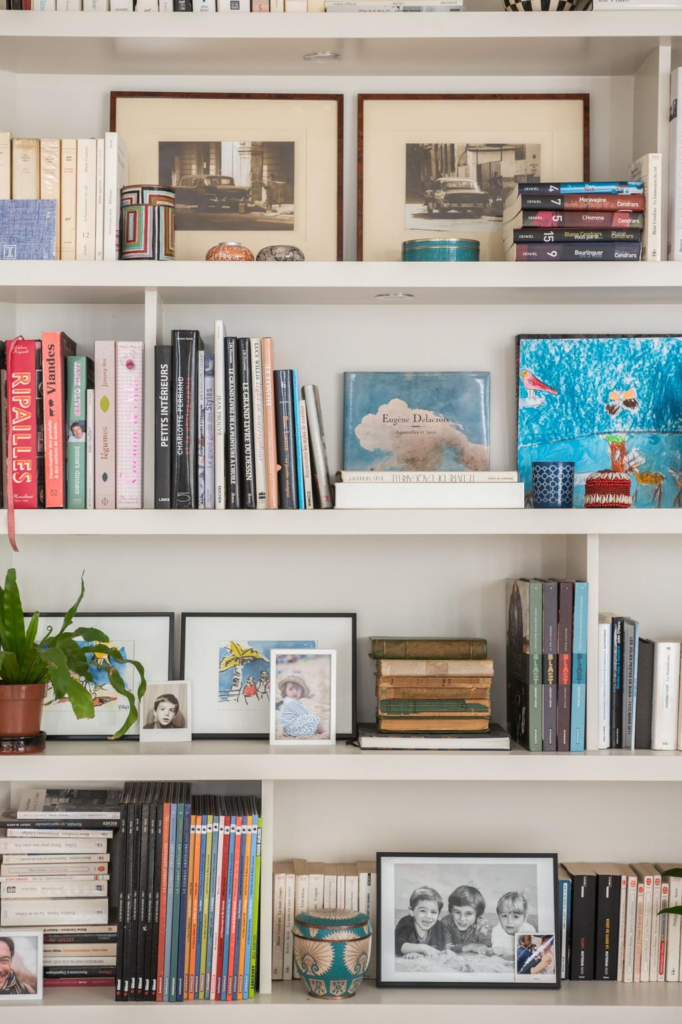
One of the strongest directions in 2026 is the move toward interiors that tell a story.
Books collected over the years, travel souvenirs, family photographs, artwork and objects with sentimental value can give a room a sense of identity. Rather than hiding everything away to maintain a perfectly clean appearance, designers are increasingly embracing carefully arranged collections and signs of everyday life.
The result is a home that feels connected to its occupants instead of looking like a temporary display.
Natural Materials Bring a Calmer Feel
Wood, stone, linen, clay and plaster are becoming important elements in contemporary interiors. These materials add texture and warmth while creating a visual connection with nature.
Rather than covering every surface with decorative details, designers are allowing the natural character of materials to become part of the design itself. Rough textures, visible wood grain and subtly imperfect finishes can give rooms a more relaxed appearance.
Imperfection Is Becoming Part of the Design
The obsession with flawless surfaces is also beginning to fade.
Handmade ceramics, uneven finishes, visible brushwork and signs of ageing are being appreciated rather than treated as defects. This reflects a broader interest in craftsmanship and objects that show evidence of human work.
In practical terms, this means a room does not have to look perfectly uniform to look stylish.
Sustainability Is Moving Into the Background—and Becoming Normal
Sustainable design is increasingly becoming less about displaying an “eco-friendly” label and more about making sensible choices.
Vintage furniture, reclaimed materials, locally produced finishes and pieces designed to last can all contribute to a more considered home. The emphasis is shifting from constantly replacing furniture to choosing items that can remain useful for years.
This approach can also make interiors more distinctive because older pieces often bring character that mass-produced furniture cannot easily reproduce.
Lighting Is Becoming a Design Feature
Lighting is no longer being treated simply as something needed to brighten a room.
Sculptural lamps, distinctive pendants and artistic wall lights can act as visual focal points while also creating atmosphere. Layered lighting is particularly useful because it allows the same room to feel bright and functional during the day and warmer and more intimate in the evening.
Comfort Is Changing Furniture Choices
Furniture is becoming more generous and inviting.
Rounded sofas, curved chairs and oversized seating are gaining attention because they encourage people to sit, relax and spend more time together. The emphasis is less on furniture that simply fills a room and more on pieces that support conversation and comfort.
This fits with the wider movement toward homes being viewed as places to slow down rather than simply spaces to maintain.
Colour Is Getting Warmer and Deeper
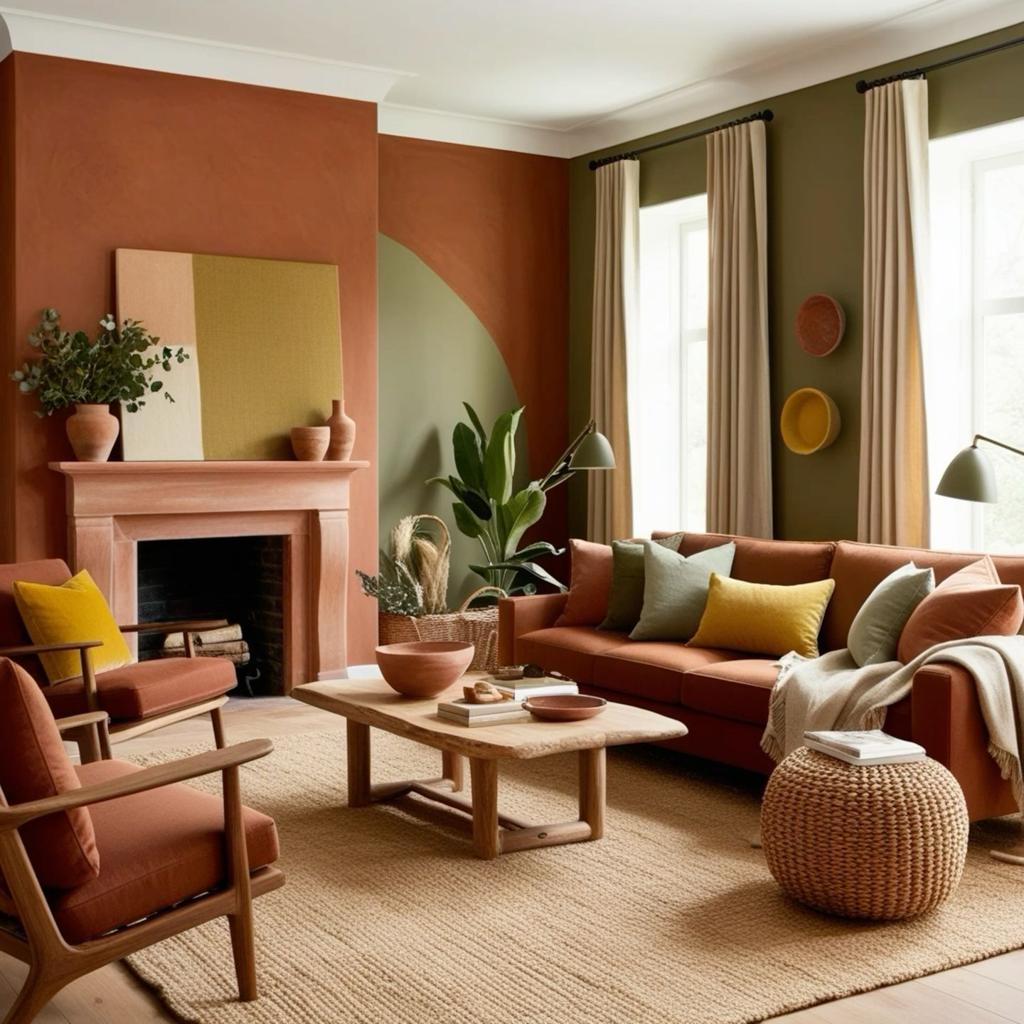
While neutral interiors remain popular, 2026 is also bringing richer shades into the home.
Deep blues, chocolate and espresso browns, olive greens, mustard, terracotta and burnt orange are among the colours being highlighted in current interior design coverage. These shades can add depth and warmth without requiring a complete makeover.
For homeowners who prefer neutral rooms, adding one colourful chair, rug, cushion or artwork can be enough to introduce the trend.
The Return of the Lived-In Home
Perhaps the most important change is the growing acceptance of homes that actually look lived in.
Worn rugs, informal furniture arrangements, books on tables and personal objects can make a space feel welcoming. The goal is not to create clutter, but to avoid an environment that appears so carefully arranged that nobody feels comfortable using it.
This idea also changes how people think about decorating. A home does not need to be constantly photo-ready to be considered beautiful.
Traditional Craft Is Finding a Modern Place
Craftsmanship is also becoming more subtle and integrated into contemporary interiors.
Handmade textiles, ceramics, decorative finishes and artisanal details can add texture without dominating a room. Textile wall hangings and tapestry-style pieces, for example, are being used as alternatives to conventional framed artwork.
For Indian homes, this direction creates an opportunity to combine contemporary furniture with regional crafts, traditional textiles and locally made objects.
What This Means for Everyday Homeowners
The biggest lesson from the 2026 interior landscape is that following every trend is becoming less important.
A home can feel current without replacing all its furniture. Changing the lighting, introducing a natural material, adding a vintage piece, bringing in warmer colours or displaying meaningful objects can make a noticeable difference.
The modern approach is about creating a space that feels comfortable and recognisable to the people living in it.
The New Definition of a Stylish Home
Interior design in 2026 is moving away from perfection and toward personality.
Natural materials, sustainable choices, handmade details, expressive colours, comfortable furniture and meaningful objects are all contributing to this change. But the common thread is simple: a home should feel like someone’s home, not a showroom.
The most lasting interior trend may therefore be the freedom to design a space around your own memories, habits and sense of comfort.