
The United States has announced new visa restrictions targeting foreign nationals connected to what the Trump administration describes as race-based discrimination and other controversial policies in South Africa. The latest move has added to growing diplomatic tensions between Washington and Pretoria.
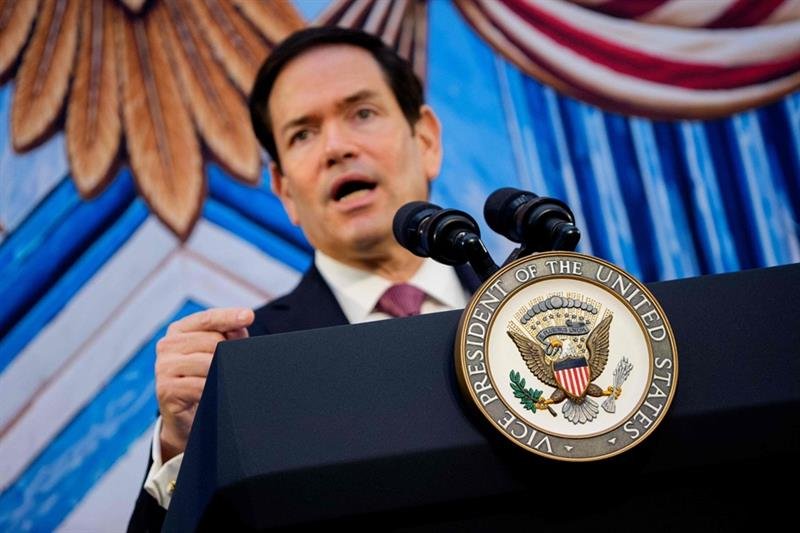
US Secretary of State Marco Rubio announced the new policy on September 15, saying visa restrictions would apply to foreign nationals considered responsible for, or complicit in, implementing laws or policies involving race-based discrimination, uncompensated land seizures or incitement of imminent violence against minority racial or ethnic groups in South Africa.
The measures are being implemented under a provision of US immigration law that allows the Secretary of State to restrict entry when an individual’s presence could have potentially serious adverse foreign-policy consequences for the United States.
Rubio said Washington remains concerned about policies affecting Afrikaners and other minority populations in South Africa. However, the US announcement did not publicly identify specific officials who would be affected by the restrictions.The announcement represents another escalation in a relationship that has faced several disagreements during President Donald Trump’s second term.
The announcement represents another escalation in a relationship that has faced several disagreements during President Donald Trump’s second term.The South African government has strongly rejected the US characterisation of its domestic policies. South African Foreign Minister Ronald Lamola said Pretoria views the American claims as a misrepresentation of the country’s policies and stressed South Africa’s right to address historical inequalities through its own democratic and constitutional institutions.
South Africa’s government has argued that several policies criticised by Washington are connected to the country’s history of apartheid and colonial rule and are intended to address longstanding economic and social inequalities.The dispute therefore involves significantly different interpretations of South Africa’s land, employment and affirmative-action policies.
One of the major issues highlighted by the Trump administration is South Africa’s land-expropriation framework. US officials have raised concerns about provisions that can permit expropriation of unused private land without compensation in certain circumstances.
South African authorities maintain that the country’s land policies must be understood in the context of historical land dispossession and the continuing economic effects of apartheid.The disagreement over land policy has become one of the central points of tension between the two governments.
The latest visa restrictions could be followed by additional US actions. The US Ambassador to South Africa indicated that the visa policy was the first step in a broader series of measures if Washington’s concerns are not addressed.The Trump administration has already taken other steps affecting South Africa, including restrictions involving South African officials and changes to US assistance programmes. The two countries have also disagreed over South Africa’s foreign-policy positions, including its legal action involving Israel at the International Court of Justice.
The new restrictions could further complicate diplomatic relations between the two countries. South Africa is an important economic and political partner for the United States in Africa, while Pretoria has continued to emphasise its independent foreign policy and sovereign right to legislate on domestic matters.For now, the immediate focus is on which individuals, if any, will ultimately be affected by the new visa restrictions and whether Washington announces additional measures.
The South African government has called for continued diplomatic engagement, while the Trump administration says further action could follow if its concerns remain unresolved. The dispute highlights wider international debates over race, land ownership, affirmative action, historical inequality and national sovereignty.As the situation develops, further announcements from Washington and Pretoria are expected to determine the next phase of US-South Africa relations.