Social media is entering a new phase in 2026. The biggest shift is no longer simply about which platform is gaining users or which video is going viral. Instead, the way people discover content, respond to brands and decide what feels trustworthy is changing rapidly.
Hootsuite’s 2026 Social Media Trends report highlights a digital environment shaped by shorter attention spans, changing generational preferences, artificial intelligence, creator-led content and increasingly sophisticated social search. The report identifies 18 trends across culture, AI, influence and brand strategy, pointing to a social landscape where speed matters—but so does understanding what audiences actually want.
Nostalgia Is Finding a New Audience
One of the clearest cultural shifts is the return of nostalgia. Hootsuite points to renewed interest in 1970s and 1980s-inspired content, particularly among Gen X, while younger users are also embracing familiar cultural references in new formats.
Nostalgia is no longer limited to old photographs or classic music. On social platforms, older cultural styles can be remixed into memes, fashion, videos and modern commentary. This allows generations to revisit familiar moments while younger audiences discover them in a completely different context.
The result is a social-media culture where the past is continually being repackaged for the present.
The Internet Is Getting More Personal—and More Divided
Another important development is that different generations are responding to completely different online cultures.
Hootsuite describes Gen Alpha’s preference for absurdist and chaotic internet humor, while Millennials and Gen Z are connecting with relatable content around work and everyday life. At the same time, Gen X is showing strong interest in nostalgia-driven material.
That means there is no longer one universal trend that works equally well for everyone. A meme that attracts teenagers may have little impact on older users, while nostalgic content that resonates with Gen X can feel unfamiliar to younger audiences.
Social media is increasingly becoming a collection of smaller cultural worlds rather than one giant shared conversation.
The Rise of “Cozy” Content
Despite the constant speed of digital life, audiences are also looking for content that feels calmer.
Hootsuite identifies “cozy” and calming aesthetics as important cross-generational emotional trends. The report also notes that many Gen Z users want to spend less time on their devices, creating an interesting contradiction: people may be tired of endless scrolling, yet they still respond to content that feels comforting, meaningful or emotionally relevant.
This could help explain the popularity of slower storytelling, relaxed visuals, simple routines and content designed to feel less overwhelming.
AI Is Making Content Faster, But Humans Still Matter
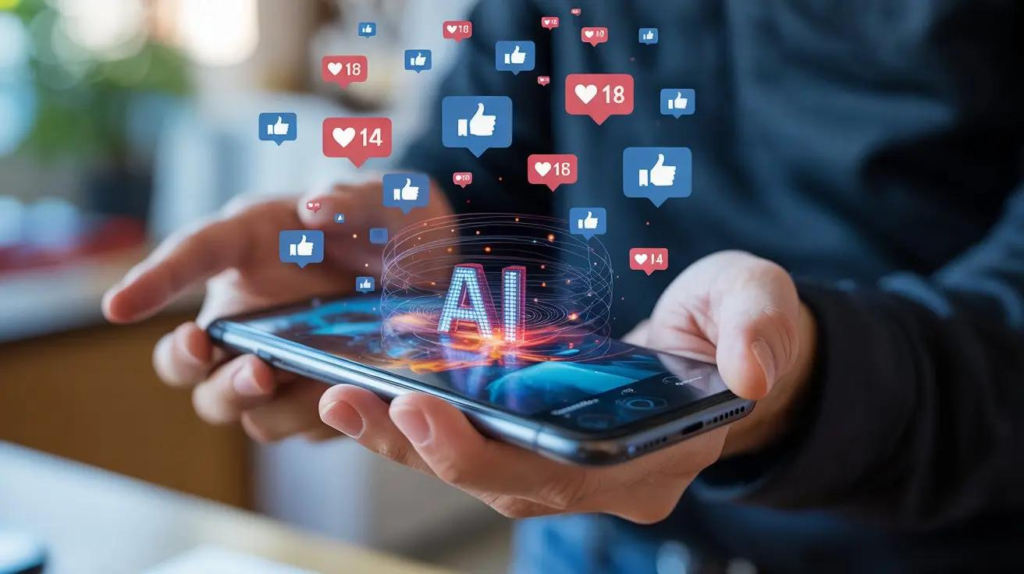
Artificial intelligence has become a central part of social-media production. Hootsuite says AI is helping brands analyse trends, test ideas quickly and continuously optimise content across platforms. The technology is also contributing to a much larger volume of digital content.
But the report highlights an important countertrend: audiences still value human authenticity.
Instead of endlessly polished posts, some successful brands are moving toward more natural-looking content. Imperfections, spontaneous moments and a less scripted presentation can make a post feel more genuine.
In other words, AI may be changing how content is produced, but it does not automatically determine what people want to watch.
Speed Has Become Part of the Strategy
Social-media trends can rise and disappear within hours, making speed increasingly important for brands and creators.
Hootsuite describes a shift toward rapid-response content, where brands react to cultural moments much faster than traditional content calendars allow. AI-powered analytics and experimentation are making it easier to identify changes and test new ideas quickly.
This creates a new challenge: being fast without becoming irrelevant.
Jumping onto every viral moment is not necessarily a successful strategy. Brands still need to understand whether a trend actually fits their audience and identity.
Followers Are No Longer the Whole Story
The influencer economy is also changing.
According to Hootsuite, brands are moving away from judging creator partnerships primarily through follower numbers and engagement rates. Storytelling quality, audience fit and return on investment are becoming more important.
The report also points to a growing role for long-term creator partnerships, employee-generated content and employee advocacy. Instead of relying entirely on external influencers, companies are increasingly putting their own people in front of audiences to create more personal connections.
That could make the next phase of influencer marketing less about who has the biggest audience and more about who can build credibility with the right one.
Social Media Is Becoming a Search Tool
Perhaps one of the most significant changes is happening in the way people discover information.
Hootsuite says social-media discovery is becoming increasingly visual, conversational and multimodal, with photo, video and voice-based search playing a bigger role. Public social content is also becoming more visible through traditional search engines.
This means social posts are no longer created only to appear in a follower’s feed. They increasingly need to be understandable and discoverable when someone actively searches for information.
For creators and brands, that makes social SEO more important. A useful caption, clear wording, relevant keywords and strong visual context can help content reach people beyond its original audience.
LinkedIn and Substack Are Expanding Their Roles
The social-media landscape is also moving beyond the usual group of major entertainment platforms.
Hootsuite highlights LinkedIn’s increasingly youthful audience and growing video opportunities, while describing Substack as evolving beyond newsletters into a more social environment with feeds, profiles and direct interaction.
The development reflects a broader trend: people are increasingly building different identities across different platforms.
Someone might use one app for entertainment, another for professional content and a third for niche interests. Hootsuite refers to these different online identities as “side quests.”
Micro-Dramas Are Turning Short Videos Into Series
Short-form entertainment is also becoming more structured.
Hootsuite highlights the rise of “micro-dramas,” social-first scripted series designed around short episodes and easily shareable clips. The report cites Deloitte’s prediction that the format could generate $7.8 billion in revenue in 2026.
Instead of watching one standalone viral video, audiences can now follow continuing stories through short episodes. This brings elements of television storytelling into social feeds while keeping the quick consumption style that users already expect.
What the Social-Media Future Looks Like
The biggest lesson from the 2026 trends is that social media is becoming more fragmented, more intelligent and more human at the same time.
AI is accelerating production. Algorithms are becoming more sophisticated. Social platforms are turning into search engines. Creators are being measured by business results rather than popularity alone. Meanwhile, audiences continue to look for humour, nostalgia, comfort and authentic human connection.
For users, this means more personalised online experiences. For creators and brands, it means that simply posting more content is unlikely to be enough.
The winners in this next phase of social media may be the ones that can move quickly while still understanding something technology cannot easily manufacture: what makes people genuinely care.