
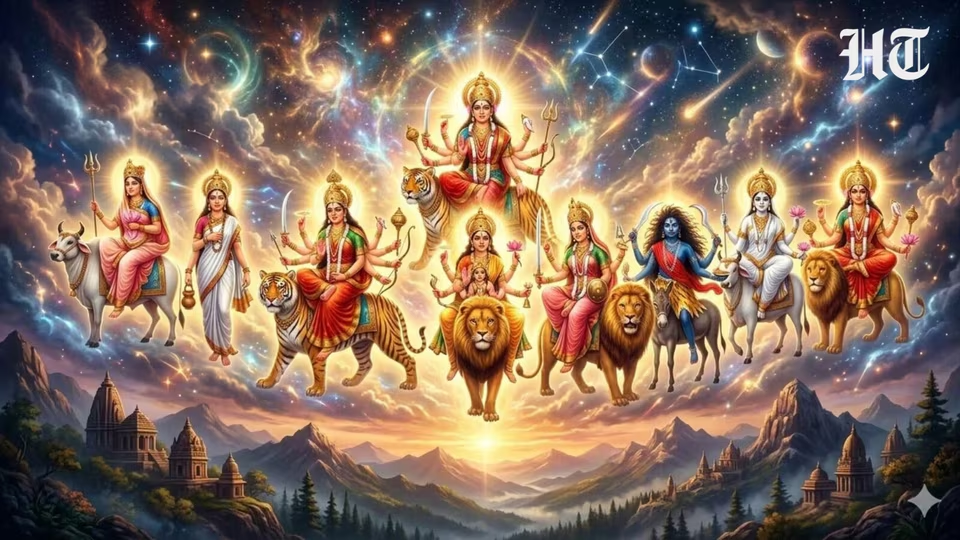
Sharadiya Navratri 2026 began on October 11 and continues through October 19, with Vijayadashami falling on October 20. The nine-day Hindu festival honours the nine forms of Goddess Durga through prayers, fasting, devotional gatherings and traditional rituals.
1. Navratri 2026 Dates and Significance
Navratri celebrates the divine feminine and symbolises the triumph of good over evil. Many devotees observe fasts, visit temples, decorate their homes and participate in Garba, Dandiya and other regional celebrations.
The festival concludes with Vijayadashami, also known as Dussehra, which represents the victory of righteousness over evil.
2. Nine Days Dedicated to Goddess Durga
Each day is traditionally associated with a different form of the Goddess: Shailputri, Brahmacharini, Chandraghanta, Kushmanda, Skandamata, Katyayani, Kalaratri, Mahagauri and Siddhidatri.
Devotees offer prayers, flowers, fruits and bhog according to family and regional traditions. Many also follow the custom of wearing a different colour on each day.
3. Navratri Puja Samagri List
Households typically prepare puja essentials before beginning the festival. Common items include:
- Kalash, coconut and mango leaves
- Red cloth, mauli and kumkum
- Turmeric, rice grains and flowers
- Diya, cotton wicks and ghee
- Incense sticks, camphor and a bell
- Fruits, sweets and other offerings
- Barley seeds and soil for traditional sowing rituals
Requirements may vary depending on local customs and the type of puja being performed.
4. Navratri Puja Vidhi at Home
Devotees usually begin by cleaning the prayer area and placing the Goddess’s image or idol in a prepared space. Depending on family tradition, they perform Kalash Sthapana, light a diya, offer flowers and prasad, chant prayers and conclude with aarti.
Many households maintain a daily worship routine throughout Navratri. The exact procedure can differ by region and religious custom.
5. Kanya Pujan 2026: Date and Rituals
Kanya Pujan, also called Kanjak Puja, is traditionally performed on Ashtami or Navami. In many North Indian calendars, both observances fall on October 19, 2026, with the Ashtami tithi ending at approximately 10:51 AM and Navami beginning afterward. Local panchang timings and regional customs may differ.
The ritual involves welcoming young girls as symbolic forms of Goddess Durga, offering prayers and serving them a traditional meal. Common practices include applying tilak, performing aarti and giving fruits, gifts or dakshina.
6. Traditional Food and Offerings
A popular Kanya Pujan meal includes halwa, puri and kala chana. Families may also offer fruits, sweets and other vegetarian dishes prepared according to their customs.
Devotees observing a fast should follow the food rules customary in their household and take care to remain hydrated.
7. Why Navratri Remains Important
Beyond religious observance, Navratri brings families and communities together through prayer, music, dance and shared meals. Its traditions vary across India, from Garba and Dandiya in Gujarat to Durga Puja celebrations in Bengal.
The festival continues to be an important expression of devotion, cultural heritage and the belief in the victory of good over evil