
The Election Commission’s Special Intensive Revision (SIR) of electoral rolls has triggered a major political and democratic debate, with concerns growing over the large number of voter names reportedly removed from electoral rolls across several states and Union Territories.
An editorial published by Asian Age estimated that around six crore names could have been deleted from electoral rolls covering 16 states and three Union Territories that underwent the latest phase of SIR. The figures have sparked questions about whether the exercise, intended to clean up electoral rolls, could unintentionally exclude genuine voters.
The Election Commission says the Special Intensive Revision is designed to ensure that electoral rolls remain accurate and updated. Its stated objective is to prevent ineligible or duplicate entries while ensuring that every eligible Indian citizen above the age of 18 is included in the voter list.
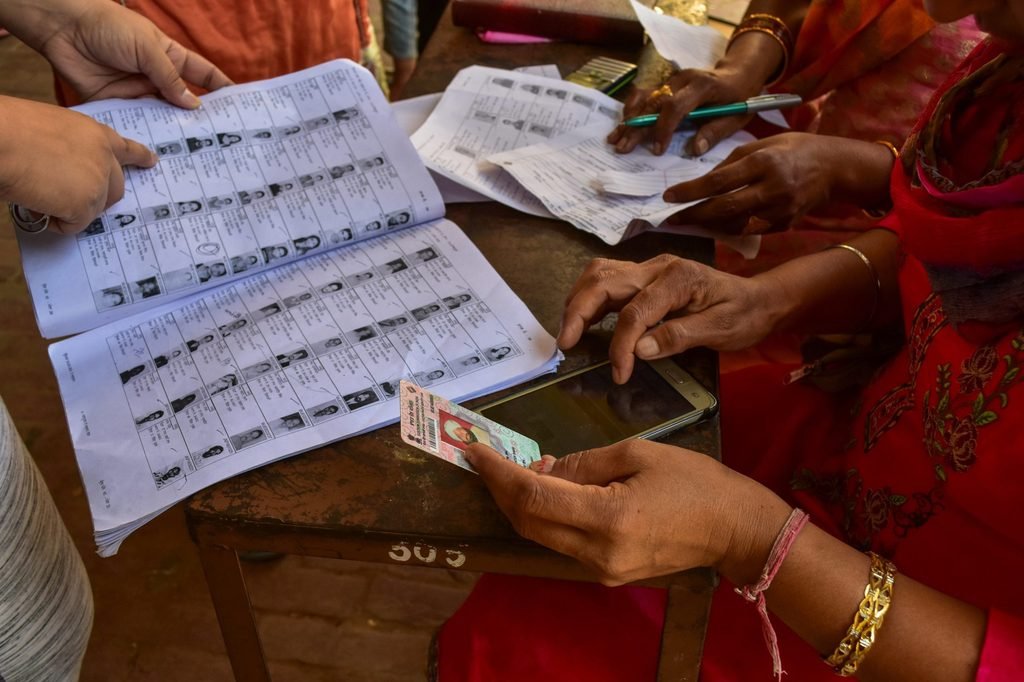
The exercise involves voter verification, enumeration, publication of draft electoral rolls, and an opportunity for citizens to submit claims and objections before the final rolls are prepared.However, critics argue that the process can create difficulties for voters who lack older documents, have changed addresses, migrated for employment, or have discrepancies in their records.
According to the Asian Age editorial, approximately six crore names were estimated to have been removed from around 36 crore electoral-roll entries across the states and Union Territories covered by the exercise. The editorial highlighted significant deletions reported in Maharashtra, Karnataka, Telangana, Andhra Pradesh and other states.
The scale of the reported deletions has raised concerns about whether every affected voter has received a meaningful opportunity to establish their eligibility and appeal against deletion.The Election Commission, however, maintains that SIR is a legally mandated process intended to improve the quality of electoral rolls and protect the integrity of elections. Government sources have also stressed that safeguards, including claims and objections, are part of the process.
The controversy is not simply about the number of names removed. The larger issue is whether genuine voters can easily restore their names if they are excluded during verification.Critics say electoral-roll purification must be balanced with the constitutional importance of voting rights. They argue that voters should receive adequate notice, clear reasons for deletion and a practical opportunity to appeal.
The debate has also intensified because reports from different states have highlighted voters facing verification notices and documentation-related concerns. At the same time, election authorities have reiterated that eligible voters should not be excluded merely because of procedural difficulties.
The SIR process places the Election Commission in a difficult position. Cleaning electoral rolls is essential for credible elections, but the process must also ensure that genuine voters are not accidentally removed.The controversy could therefore become an important test of how effectively the EC balances electoral-roll accuracy with voter inclusion.
For voters, the key message is to check their electoral-roll status, respond to official notices where required and use the prescribed claims and objection process if their names or details are incorrect.The debate over the reported six-crore deletions is likely to continue as political parties, civil-society groups and voters scrutinise the impact of the SIR exercise on India’s electoral process.