
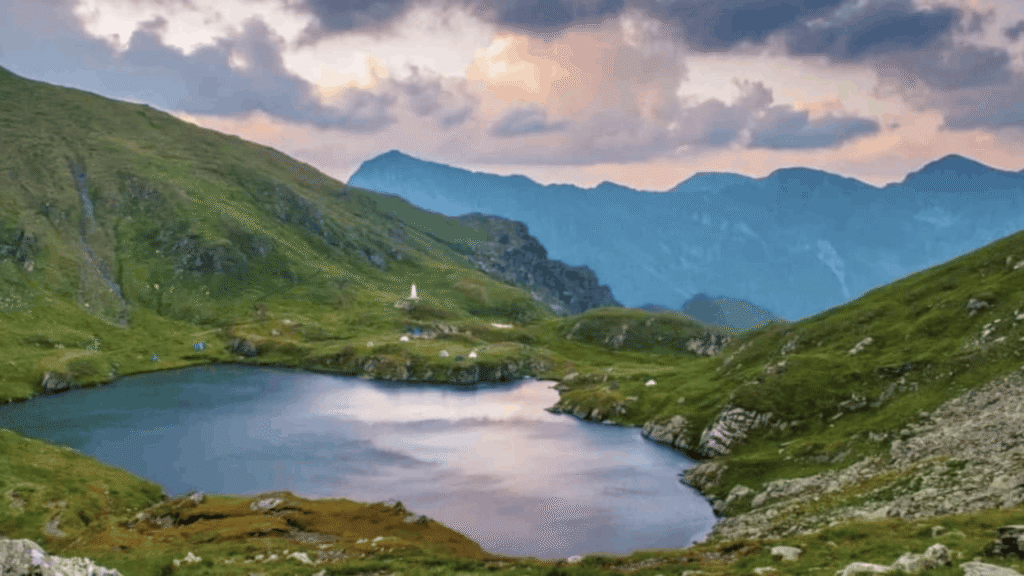
One of Sikkim’s most spectacular high-altitude trekking routes has reopened after remaining closed for four years. The Green Lake Trek in North Sikkim officially resumed on October 31, 2026, bringing back an adventure that takes trekkers through remote Himalayan landscapes towards the base of Mount Kanchenjunga.
The route’s return is expected to attract experienced trekkers and give a boost to local adventure tourism. A group of seven Russian trekkers became the first team to complete the reopened expedition, finishing their journey on November 9.
1. What Makes the Green Lake Trek Special?
Situated at approximately 5,050 metres above sea level, Green Lake is a glacial lake near the Zemu Glacier and the base of Mount Kanchenjunga. It is also associated with expeditions to the world’s third-highest mountain.
The trek offers views of snow-covered Himalayan peaks, alpine meadows, dense forests and rhododendron-covered slopes. Mount Siniolchu and other striking mountain formations add to the scenery.
The region is also known for its rich biodiversity. Trekkers may come across rare Himalayan plants and wildlife, although sightings of animals such as red pandas and snow leopards are never guaranteed.
2. Where Does the Trek Begin and How Long Does It Take?
The expedition begins at Lachen, a mountain town in North Sikkim located around 107 kilometres from Gangtok by road. Travellers first need to reach Lachen before beginning the trekking journey.
The route passes through remote locations and challenging mountain terrain before reaching Green Lake. Depending on the itinerary, weather and acclimatisation requirements, the expedition generally takes around 10 to 12 days.
The journey involves long walking stretches, steep sections and changing weather conditions. It is therefore better suited to experienced trekkers rather than beginners looking for a short mountain holiday.
3. Best Time to Visit Green Lake
The recommended trekking seasons are April to June and September to November.
The spring and early summer months offer relatively favourable conditions, with blooming rhododendrons and greener mountain landscapes. Autumn is another popular period because clearer skies can provide impressive views of Kanchenjunga and surrounding peaks.
Monsoon travel is generally best avoided because heavy rainfall can make trails unstable and increase the risk of landslides. Winter conditions can also be severe, with freezing temperatures and snow making the route more difficult.
Since the trek has only recently reopened, travellers should confirm current access conditions with local authorities and registered trekking operators before fixing their dates.
4. What Permits Are Required?
Green Lake lies in a restricted region of North Sikkim, so trekkers cannot simply arrive in Lachen and begin the expedition.
Special trekking and restricted-area permissions are required. The process involves the relevant Sikkim Tourism authorities and other departments responsible for security and access to the region. Applications should be arranged through an authorised or registered local travel operator.
Requirements can differ depending on whether the traveller is an Indian or foreign national. Documents, clearances and eligibility conditions should therefore be checked in advance. A regular tourist permit for other parts of North Sikkim should not be assumed to cover the Green Lake expedition.
Travellers should ask their operator to confirm the latest permit rules, documentation and approval timelines before making bookings.
5. Fitness and Preparation Before the Expedition
At an altitude of around 5,050 metres, the Green Lake Trek presents a serious physical challenge. Lower oxygen levels can increase the risk of altitude sickness, making preparation and gradual acclimatisation essential.
Trekkers should ideally begin cardiovascular and endurance training four to six weeks before departure. Running, cycling, swimming and regular hikes can help improve stamina. Previous experience with high-altitude trekking is also valuable.
It is important to follow a sensible acclimatisation schedule and avoid rushing the ascent. Travellers should discuss altitude-related risks with a medical professional, particularly if they have existing health concerns.
6. Essential Items to Carry
The remote terrain and unpredictable mountain weather make proper packing particularly important. Essential items include:
- Warm, layered clothing and thermal wear
- A waterproof jacket and rain protection
- Sturdy trekking boots and comfortable socks
- Personal medicines and a basic first-aid kit
- Blister treatment, bandages and prescribed medication
- Water purification tablets or an appropriate filtration system
- Energy bars, nuts, dried fruits and other high-energy snacks
Staying hydrated and eating regularly can help maintain energy during long trekking days. Trekkers should also follow their guide’s instructions and avoid alcohol during the expedition.
7. Reopening Could Boost North Sikkim’s Adventure Tourism
The return of the Green Lake Trek is significant not only for adventure enthusiasts but also for communities in North Sikkim. Trekking expeditions can create work for local guides, porters, cooks, drivers and tourism operators.
The successful completion of the first expedition after reopening has brought renewed attention to the route. However, its long-term revival will depend on responsible tourism, visitor safety and protection of the fragile Himalayan environment.
For experienced trekkers seeking a demanding journey through one of Sikkim’s remote mountain regions, Green Lake offers a memorable Himalayan adventure. Careful preparation, proper permits and guidance from experienced local operators remain essential before setting out.