
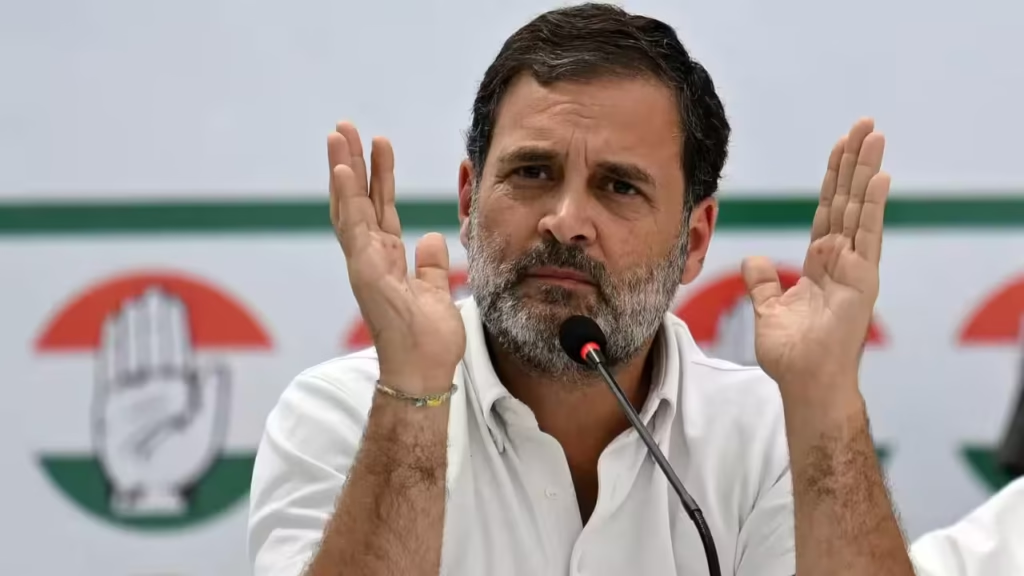
The planned ‘Vote Bachao, Desh Bachao’ gathering has prompted a debate over electoral accountability, market access and traffic management in central Delhi.
NEW DELHI The Congress party is set to hold its ‘Vote Bachao, Desh Bachao’ rally at Ramlila Maidan on November 1, despite a request from Delhi’s trading community to postpone the gathering until after the festive shopping period. The decision places the party’s campaign on electoral accountability alongside concerns about the possible impact on businesses and commuters.
The Chamber of Trade and Industry (CTI), led by chairman Brijesh Goyal, wrote to Rahul Gandhi on October 24 seeking a postponement until after November 10. The association said the rally could complicate customer movement and the transport of goods around wholesale and retail markets at a time when activity typically rises ahead of Dhanteras and Diwali.
The CTI estimated that disruption could put around ₹10,000 crore in business at risk. That figure is the association’s projection, not an independently verified loss. Traders cited possible traffic diversions, security barricades and restrictions affecting public transport as reasons for their concern.
Rahul Gandhi acknowledged the traders’ concerns in a public message but connected the discussion to the party’s campaign over alleged electoral irregularities. Congress leaders have demanded accountability from the Election Commission and called for Chief Election Commissioner Gyanesh Kumar to be removed. These claims and demands represent the party’s political position; allegations of electoral wrongdoing remain disputed.
Congress president Mallikarjun Kharge had earlier said the traders’ request would be discussed. The party later confirmed that the rally would proceed as scheduled. The event is expected to bring Congress and opposition allies together to criticise the Special Intensive Revision (SIR) of electoral rolls and present their concerns about election administration.
The dispute highlights the challenge of accommodating peaceful political demonstrations while protecting access to commercial areas. Clear information about traffic diversions, security arrangements and routes to nearby markets will be important to reduce inconvenience for traders, shoppers, residents and commuters.