
Childhood cancer is relatively rare, but recognising its early warning signs can help families seek medical attention sooner. Persistent tiredness, unexplained bruising, unusual paleness and growing lumps can have many causes, but symptoms that continue, worsen or appear together should be checked by a healthcare professional.
1. Why Early Recognition Matters
Around 1,900 children aged 0–14 are diagnosed with cancer each year in the UK, according to Cancer Research UK. Although childhood cancer is uncommon, symptoms can sometimes resemble everyday illnesses, making them easy to overlook.
Medical experts encourage parents to pay attention to changes that persist or become more noticeable rather than assuming they are caused by tiredness, allergies or a minor infection.
2. Unusual Tiredness and Breathlessness
Persistent fatigue can be an important warning sign, particularly when a child seems unusually exhausted despite getting enough rest. Breathlessness during ordinary activities may also deserve medical assessment.
These symptoms can result from many conditions, including common infections and anaemia. However, when they continue or occur alongside other unexplained changes, parents should discuss them with a doctor.
3. Bruising, Paleness and Unexplained Bleeding
Bruises are common during childhood, especially among active children. But frequent or unexplained bruising, unusual paleness or bleeding that has no clear cause should not be ignored.
These symptoms can sometimes occur in blood cancers such as leukaemia, which may affect the body’s production of healthy blood cells. A doctor can determine whether examination or blood tests are needed.
4. Lumps, Swelling and Persistent Nasal Symptoms
Parents should seek medical advice about lumps or swellings that grow, persist or do not have an obvious explanation. Ongoing nasal congestion or watery eyes are usually linked to common conditions, including allergies, but persistent symptoms accompanied by swelling or other changes warrant assessment.
A symptom on its own does not necessarily indicate cancer. The pattern, duration and combination of symptoms are important when a healthcare professional evaluates a child.
5. Two Families’ Experiences Highlight the Importance of Awareness
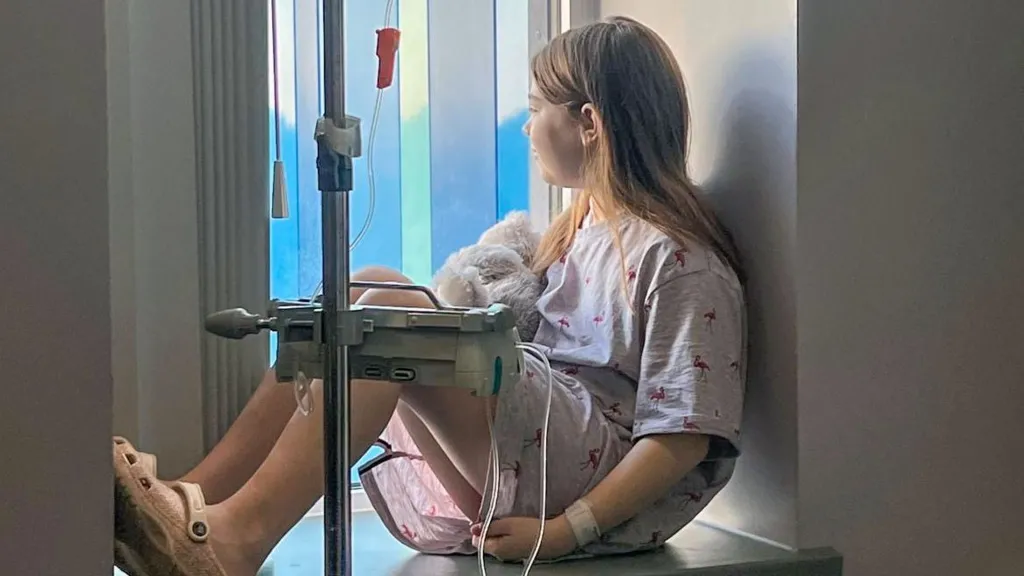
Thirteen-year-old Amelia Carroll was diagnosed with acute myeloid leukaemia after her early symptoms, including tiredness and breathlessness, were initially attributed to everyday causes. Unusual bruising and eye-related findings prompted further medical attention. She is now in remission and continues to receive follow-up care.
Another family, led by Lynsey Swinscoe, is raising awareness in memory of her son Jake, who died from alveolar rhabdomyosarcoma shortly before his 14th birthday. His early symptoms included a stuffy nose, watery eyes and fatigue, followed by swelling across the bridge of his nose.
Their experiences underline why persistent or worsening symptoms deserve attention, even when they initially appear ordinary.
6. What Is the ‘Rule of Three’?
Paediatric cancer specialists have promoted a practical reminder for healthcare professionals: consider further investigation or referral when a child has three persistent symptoms, has visited a doctor three times, or has experienced unexplained symptoms for three weeks.
This is an awareness tool, not a rule that parents should wait to meet. A concerning symptom may require medical assessment much earlier, particularly if it is severe or worsening.
7. Survival Rates and the Importance of Timely Diagnosis
Childhood cancer outcomes have improved considerably over recent decades. UK childhood cancer organisations report that more than 80% of children survive, although survival varies according to the cancer type and individual circumstances.
Earlier diagnosis may help some children begin appropriate treatment sooner and potentially reduce the need for more intensive treatment. Parents who are worried about a child’s health should seek professional advice rather than trying to diagnose the cause themselves.
8. When Should Parents Contact a Doctor?
Arrange medical assessment if a child has persistent or worsening fatigue, unexplained bruising, unusual paleness, a growing lump, unexplained bleeding or other symptoms that concern you. Seek urgent medical help for severe or rapidly worsening symptoms.
Most childhood symptoms will not be cancer. The aim is not to create fear, but to recognise unusual changes and ensure children receive appropriate care when they need it.