
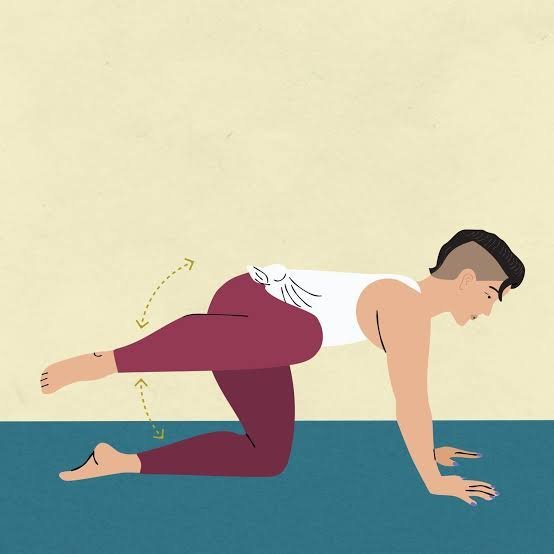
Mobility is the ability to move your joints through a comfortable range with control. It plays a role in many daily activities, from reaching overhead and getting dressed to bending down, walking upstairs and exercising.
It is often confused with flexibility, but they are not quite the same. Flexibility refers to how much a muscle can lengthen. Mobility combines flexibility with joint movement, stability, strength and coordination.
Why mobility matters
Long periods of sitting, repetitive work, stress, past injuries and limited movement can leave certain areas of the body feeling stiff. The hips, shoulders, upper back and ankles are common examples.
Mobility exercises can help you practise moving these areas with more awareness and control. When included regularly, they may support better movement quality during daily tasks and workouts.
Mobility work can be useful for people who exercise regularly, but it is not only for athletes. It can be adapted for beginners, older adults and people returning to activity after a break.
When to do mobility exercises
You can include mobility work at different points in your day:
- Before exercise, as part of a warm-up
- After a workout, as a gentle way to move and unwind
- During work breaks after long periods of sitting
- In the morning to ease into the day
- In the evening as part of a calming routine
Even five to ten minutes can be worthwhile. Beginners may start with two or three sessions each week and add more gradually if the movements feel comfortable.
Areas worth giving attention to
A simple full-body mobility routine can focus on the joints and muscles most affected by daily posture and movement.
Hips: Controlled hip rotations, gentle lunges and seated hip switches can help practise movement around the hip joint.
Spine and upper back: Cat-cow movements, slow trunk rotations and reaching exercises can encourage gentle movement through the back.
Shoulders: Arm circles, wall slides and controlled overhead reaches may help improve shoulder movement.
Ankles: Ankle circles, calf movements and supported squats can help prepare the lower body for walking, climbing stairs and exercise.
The goal is not to force a stretch or reach the biggest possible range. Move slowly, breathe normally and stay within a range that feels controlled.
Make mobility part of your routine
Consistency is more useful than doing one long session occasionally. Try attaching mobility work to a habit you already have. For example, do a few gentle movements after brushing your teeth, before a walk or during an afternoon break.
You can also use mobility exercises to prepare for strength training. If you plan to squat, lunge, push or pull, moving the hips, shoulders and upper back first may help you feel more ready for the workout.
Listen to your body
Mild stiffness is common, especially when beginning a new routine. Sharp pain, swelling, numbness, dizziness or pain that continues after exercise is not something to push through. Stop the movement and seek advice from a healthcare professional if needed.
Mobility training is not about becoming extremely flexible. It is about helping your body move with greater ease, confidence and control—one small session at a time.