After years of increasingly digital routines, some of the most noticeable lifestyle changes of 2026 are surprisingly simple. People are making more room for face-to-face activities, slower experiences, offline time, practical consumption and hobbies that do not need to become side businesses.
A recent lifestyle trends report from The Upcoming identifies a number of shifts emerging in Britain, from early-morning social activities and slower travel to phone-free Sundays, repair culture and community spaces.
Taken together, these changes point toward a broader idea: people are not abandoning modern life, but they are becoming more deliberate about how they spend their time.
The Morning Is Becoming a Social Time
One of the more unexpected changes is the movement of social activity away from late nights and toward mornings.
Run clubs, swimming groups and early events are creating new ways for people to meet before work. The appeal combines social interaction with lower-cost activities and a schedule that leaves evenings free.
The trend also reflects a wider search for experiences that feel active and social without depending on traditional nightlife.
Slow Travel Is Challenging the Weekend Getaway
Travel is also becoming less focused on seeing as many destinations as possible in the shortest amount of time.
The report points to growing interest in overnight trains, longer stays and journeys where the travelling itself becomes part of the experience. Instead of rushing through several cities, travellers are increasingly interested in spending more time in one place.
This approach can make travel feel less like a checklist and more like an experience. The journey becomes part of the holiday rather than simply the route between two destinations.
Digital Detox Is Becoming an Ordinary Habit
Digital detoxes were once associated with expensive retreats or temporary challenges. In 2026, the idea is becoming much simpler: put the phone away for a few hours or designate a regular offline day.
The Upcoming highlights the return of basic phones, phone-free meals and the growing idea of an “analogue Sunday” built around switching off notifications and reconnecting with offline activities.
The appeal is partly the simplicity. People do not necessarily need a major lifestyle transformation; sometimes a scheduled break from constant notifications is enough.
Third Places Are Becoming Important Again

Not every social space needs to be a restaurant, café or bar.
Libraries, community halls, swimming facilities and other shared spaces are being rediscovered as places where people can spend time without the expectation of buying something.
This is particularly significant as living costs rise and people search for affordable ways to socialise. A public space that provides somewhere to read, meet friends, learn something or participate in a hobby can become valuable simply because it allows people to be around others.
Buy Less, Repair More
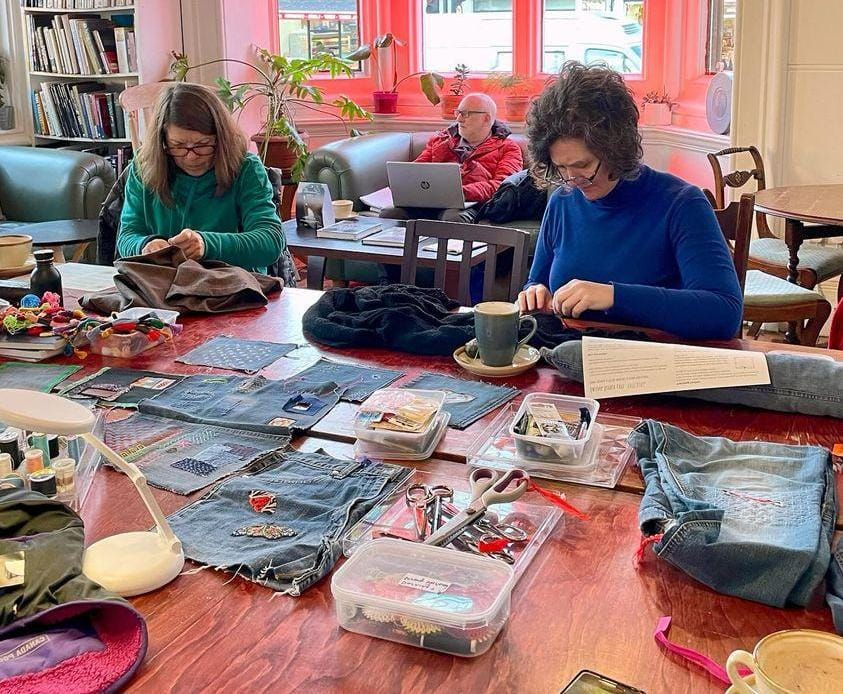
Fashion and consumer culture are also showing signs of a shift away from constant replacement.
Repair cafés, secondhand marketplaces and longer-lasting clothing are becoming more attractive as consumers reconsider the cost of repeatedly buying new products. The Upcoming describes a movement toward buying fewer, better-quality items and repairing them rather than automatically replacing them.
This trend connects closely with the wider growth of resale and vintage fashion, where durability and individuality can be just as important as having the newest release.
Weeknight Gatherings Are Getting Simpler
Hosting friends no longer has to mean preparing an elaborate meal or organising a major weekend event.
A more relaxed style of entertaining is emerging around simple weeknight meals, shared dishes and informal gatherings. The emphasis is on spending time together rather than creating a perfect evening.
That small change can make socialising easier to maintain. A casual dinner on a Tuesday requires less preparation than a formal Saturday dinner, but it can still create the same opportunity for conversation and connection.
Hobbies Are Becoming Enjoyable Again
Another notable cultural shift is the growing willingness to participate in activities without trying to become exceptionally good at them.
Ceramics, sewing, chess, choir groups, reading circles and other hobbies are attracting people who simply want to participate. The appeal comes partly from doing something without turning it into a performance or a source of income.
That represents a significant change from the recent pressure to monetise every interest. In 2026, being a beginner can itself be part of the fun.
The Bigger Lifestyle Shift
These trends may look unrelated at first. Morning run clubs, sleeper trains, phone-free Sundays, repair cafés and hobby groups have little in common on the surface.
But they share a common direction: less speed, less unnecessary consumption and more intentional experiences.
People are looking for activities that feel affordable, social, practical and meaningful. They are also becoming more comfortable with stepping away from the expectation that every part of life must be optimised.
Why the Offline Comeback Matters
The return of offline experiences does not mean people are rejecting technology. Smartphones, social platforms and digital services remain deeply embedded in everyday life.
Instead, the emerging trend appears to be about balance. Digital tools can make life easier, but people still need spaces where they can talk, travel, create, learn and spend time together without being permanently connected.
That is why the most interesting lifestyle trend of 2026 may not be a particular product or activity at all.
It is the growing preference for living with more intention.
From taking the slower train to repairing an old jacket, joining a local hobby group or simply spending one Sunday without notifications, the lifestyle changes emerging this year suggest that ordinary experiences are becoming valuable again.