
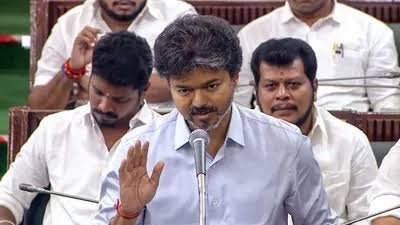
Tamil Nadu Chief Minister C. Joseph Vijay has announced a fresh package of benefits for members of the State Legislative Assembly, including government vehicles, increased monthly allowances and enhanced healthcare support.
The measures were announced on August 19, 2026, with the government saying the facilities are intended to help legislators travel across their constituencies and respond more effectively to public grievances.
Government Vehicles for All MLAs
Under the new arrangement, all 234 MLAs in Tamil Nadu will be provided with government vehicles for official and constituency-related work.
The move is aimed at improving the mobility of elected representatives, particularly when they need to travel within their constituencies to meet residents and address local issues.
The government is also expected to cover expenses associated with maintaining and operating the vehicles, adding to the overall support available to legislators.
Monthly Financial Support Increased
Along with vehicles, the government has announced additional monthly financial provisions for MLAs.
The package includes ₹75,000 per month towards vehicle maintenance and related expenses, while ₹25,000 will be provided for an office assistant. Together, these components amount to ₹1 lakh in monthly support for each MLA, apart from the government vehicle.
Health Coverage Also Expanded
The announcement comes alongside a wider expansion of healthcare benefits in Tamil Nadu.
The State government has raised the annual coverage under the Chief Minister’s Comprehensive Health Insurance Scheme from ₹5 lakh to ₹25 lakh. The government has also announced plans for a new 400-bed multispeciality hospital in Perambur and additional cancer-care facilities.
Public Debate Over the New Package
The decision to provide vehicles and additional allowances to legislators has already prompted discussion over the financial implications of the move.
Supporters argue that elected representatives require reliable transport and administrative assistance to remain accessible to people across their constituencies. Critics, however, are questioning whether the additional expenditure on legislators could instead be directed towards other public services.
With all 234 MLAs covered by the proposed arrangements, the government’s decision is likely to remain a subject of public and political debate as the new measures are implemented