
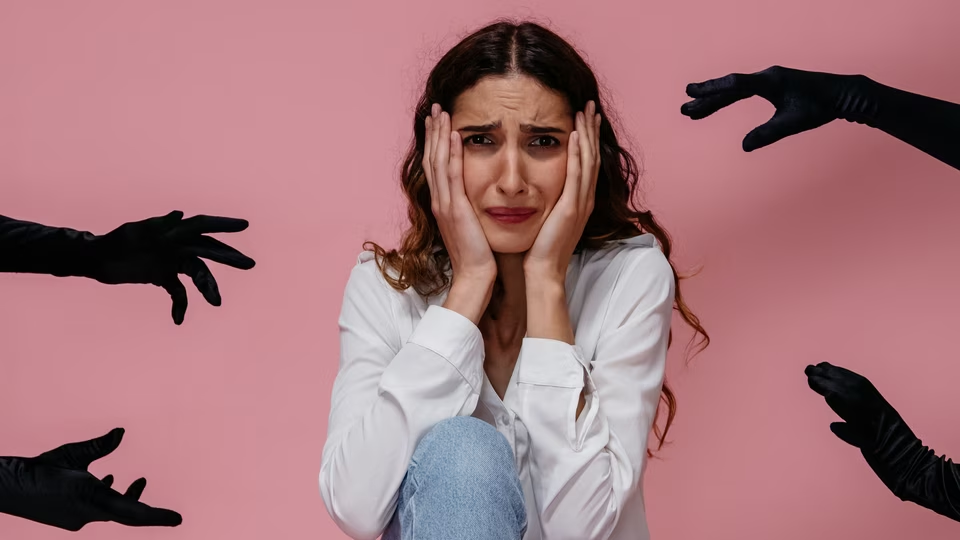
Anxiety has become a major global mental health concern, with the World Health Organization (WHO) estimating that 470 million people were living with anxiety disorders in 2023. Despite the availability of effective treatments, many people continue to struggle without professional support. As World Mental Health Day is observed on October 10, the figures highlight the need to recognise symptoms early and make mental healthcare more accessible.
1. Understanding the Global Anxiety Burden
Anxiety disorders are among the world’s most common mental health conditions. According to the WHO, they can affect daily activities, relationships, education and work. Stigma, limited access to trained professionals and a lack of awareness can prevent people from seeking help.
The global figures reflect the scale of the problem, but they do not establish that today’s generation is necessarily the most anxious in history.
2. Common Signs of Anxiety
Anxiety involves more than occasional nervousness. Persistent or excessive worry can affect both mental and physical well-being.
Common symptoms include:
- Restlessness, irritability and persistent fear
- Difficulty concentrating or making decisions
- Trouble sleeping
- Muscle tension and fatigue
- Sweating, trembling or a racing heartbeat
- Avoiding situations that trigger fear
Symptoms vary between individuals. When anxiety persists for months or begins interfering with everyday life, professional assessment can help identify the cause.
3. How Anxiety Can Affect Overall Health
Ongoing anxiety can disrupt sleep, reduce concentration and make routine responsibilities harder to manage. Some people may also experience digestive discomfort, physical tension or repeated episodes of intense fear.
Untreated anxiety disorders can occur alongside depression and other mental health conditions. Recognising these difficulties early can help people access appropriate care before symptoms become more disruptive.
4. Everyday Habits That May Help
Simple lifestyle changes can support emotional well-being and complement professional treatment.
- Stay active: Walking, cycling or other regular physical activities may help reduce stress.
- Maintain a sleep routine: Consistent sleep and wake times can support better rest.
- Practise relaxation: Slow breathing, mindfulness and progressive muscle relaxation may help manage tension.
- Eat regularly: Balanced meals and adequate hydration support general health.
- Limit alcohol and recreational drugs: These substances can worsen anxiety symptoms for some people.
These habits are supportive measures rather than guaranteed cures for an anxiety disorder.
5. Evidence-Based Treatment Options
Cognitive behavioural therapy (CBT) is an established treatment that helps people recognise unhelpful thought patterns and develop healthier responses to anxiety. Depending on the condition and its severity, healthcare professionals may also recommend medication or other forms of psychological support.
People experiencing persistent symptoms should consult a qualified mental health professional. Medication should be taken only under appropriate medical supervision, and prescribed treatment should not be stopped without professional advice.
6. Why Early Support Matters
Anxiety is a treatable health condition, not a personal weakness. Recognising symptoms, talking to someone trustworthy and seeking professional help when needed can make a meaningful difference.
Greater awareness and better access to mental healthcare are essential to closing the treatment gap. A combination of evidence-based care, supportive relationships and sustainable daily habits can help people manage anxiety and improve their quality of life.
If anxiety is causing significant distress or disrupting daily life, seek professional help. Anyone experiencing thoughts of self-harm should seek urgent support from local emergency or mental health services.