
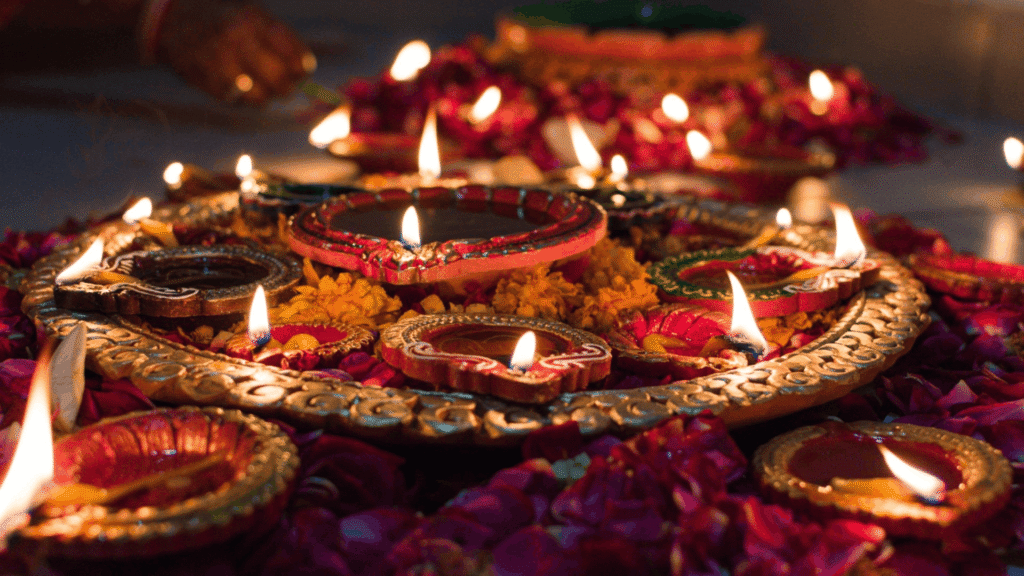
Diwali is traditionally associated with illuminated homes, colourful rangolis, festive shopping and family celebrations. However, the festival is also changing the way people travel across India. While many people head back to their hometowns to celebrate with relatives, others are using the holiday period to explore new destinations or escape crowded cities.
From spiritually significant locations and heritage cities to peaceful mountain retreats, Diwali travel reflects a growing variety of holiday preferences. One particularly interesting shift is the interest in quieter celebrations, with some travellers choosing destinations away from fireworks, traffic and crowded streets.
1. The Annual Journey Back Home
For people living away from their families for work or education, Diwali is an important opportunity to return home. Major cities experience heavy travel demand as people book trains, flights and buses to reach their hometowns.
Smaller towns and villages also become lively during the festive period. Markets fill with shoppers, homes are decorated and families come together for traditional celebrations.
This annual movement highlights the emotional importance of Diwali, when travelling home becomes as meaningful as the festival itself.
2. Holidaymakers Look Beyond Their Hometowns
Not everyone spends the festive break at home. Many urban families and groups of friends use the Diwali holidays to explore destinations across the country.
Popular choices include beaches in Goa, hill stations in Himachal Pradesh and nature retreats offering a break from busy city life. These trips allow travellers to combine relaxation with sightseeing, local food and outdoor activities.
The holiday period also creates opportunities for hotels, transport operators, tour guides and local businesses in popular destinations.
3. India’s Regional Celebrations Attract Cultural Travellers
Diwali is celebrated in different ways across India, making the festival an opportunity to experience the country’s cultural diversity.
In northern India, celebrations are closely associated with the return of Lord Rama to Ayodhya. Cities such as Ayodhya and Varanasi attract visitors interested in temple traditions, religious ceremonies and spectacular displays of lamps along riverbanks.
In Gujarat and Rajasthan, the festival has strong connections with Lakshmi Puja and the beginning of a new financial year for many business communities. Jaipur is particularly known for its festive market decorations and illuminated streets.
In parts of southern India, Deepavali is associated with Lord Krishna’s victory over Narakasura. Early-morning rituals, traditional oil baths, festive food and family gatherings are important parts of the celebrations.
West Bengal offers another distinctive experience, with Kali Puja and elaborately decorated pandals becoming major attractions during the festive season.
4. The Emerging Interest in a Silent Diwali
One of the more interesting travel preferences associated with the festival is the search for peaceful surroundings. Some travellers prefer to spend Diwali away from noisy neighbourhoods, fireworks and urban pollution.
This preference has been linked to the idea of a Silent Diwali, where the emphasis shifts towards relaxation, nature and a quieter festive experience.
Destinations such as Ladakh, Spiti Valley and forest retreats in Madhya Pradesh offer opportunities to enjoy open landscapes and relatively peaceful surroundings. Travellers may choose stargazing, nature walks and outdoor stays instead of crowded celebrations.
Although this remains an emerging travel preference rather than a universally established trend, it reflects changing ideas about how people want to spend their holidays.
5. Dark-Sky Tourism Offers a Different Festive Experience
Dark-sky tourism focuses on visiting places with limited artificial light pollution to observe the night sky. For travellers interested in astronomy and nature, remote destinations can provide an opportunity to see stars and celestial objects more clearly.
During the Diwali holiday period, some visitors may prefer mountain landscapes and remote locations where they can enjoy the night sky away from city lights.
This experience offers a contrast to the traditional emphasis on bright decorations and fireworks. Instead of looking at artificial lights, travellers can spend the evening appreciating the natural beauty of the sky.
6. Travel Preferences Reflect Changing Ideas About Diwali
The variety of Diwali travel choices shows that the festival means different things to different people. For some, it is about returning to family traditions. Others prefer visiting religious destinations, exploring regional cultures or taking a relaxing holiday.
The growing interest in quieter travel also suggests that some people are looking for more personal and less crowded festive experiences.
Whether celebrated in a hometown, a historic city, a beach destination or a peaceful mountain retreat, Diwali continues to bring people together in different ways. The traditions may evolve, but the festival’s central themes of togetherness, renewal and happiness remain important.