
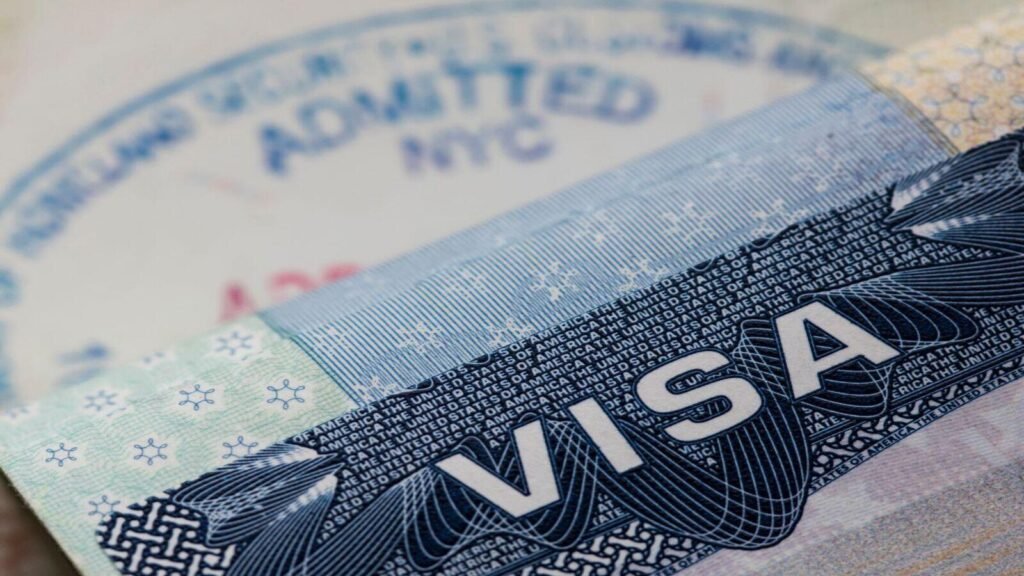
A US federal judge has blocked the Trump administration from implementing new rules that would have placed stricter time limits on the stay of foreign students, exchange visitors and journalists in the United States. The decision came just one day before the new rules were scheduled to take effect, creating relief for international students and media professionals who could have been affected by the changes.
The ruling was issued by US District Judge F. Dennis Saylor in Boston on September 14, 2026. The judge’s decision prevents the Department of Homeland Security (DHS) from immediately replacing the long-standing “duration of status” system with fixed limits on how long certain visa holders can remain in the country.
Under the proposed DHS rule, international students holding F visas and exchange visitors holding J visas would generally have faced a maximum four-year period of admission. Students whose academic programmes required additional time would have needed to seek an extension.
Foreign journalists holding I visas would also have faced tighter restrictions, with their admission generally limited to 240 days under the proposed framework. Al Jazeera +1The proposed changes would have represented a significant shift from the existing system, under which many international students are admitted for the “duration of status” rather than a fixed number of years.
The Department of Homeland Security argued that the new system would improve immigration oversight and help address concerns involving visa compliance and fraud.Under a fixed-duration system, authorities would have greater opportunities to review whether foreign nationals continue to meet the conditions of their visas. The administration presented the policy as part of its broader effort to tighten immigration controls and strengthen monitoring of foreign nationals in the United States. ReutersHowever, universities, student organisations and other groups challenged the policy in court.
Judge Saylor’s ruling represents an important legal setback for the administration’s immigration agenda. According to Reuters, the judge found that DHS had not adequately justified the policy change or properly considered less burdensome alternatives.
The court also considered the potential consequences for American universities and the wider US economy.International students contribute significantly to US higher education, research and innovation. Universities have warned that additional uncertainty around visa duration could make the United States less attractive to students considering overseas education.
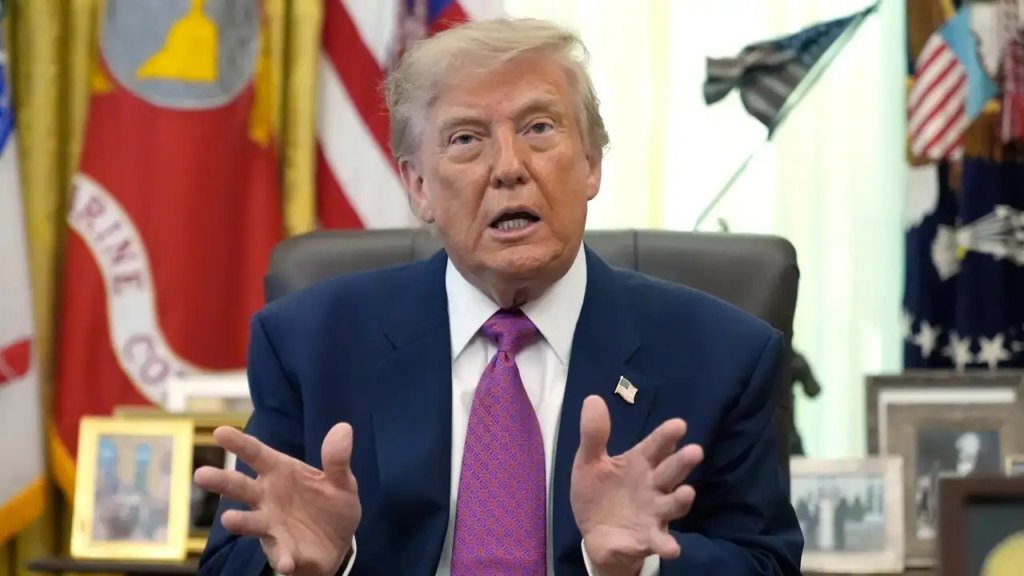
The ruling means the new four-year cap will not immediately come into force.For students already studying in the US, the decision provides additional certainty while the legal case continues. Students enrolled in programmes that extend beyond four years would have faced additional paperwork and potential uncertainty under the proposed system.The issue is particularly important for students pursuing long-term academic programmes, including doctoral research, where completion can sometimes take longer than initially expected.
The proposed rule was not limited to students.Foreign journalists working in the United States under I visas were also facing new time restrictions. Under the proposed framework, many journalists could have been admitted for no more than 240 days before requiring further action. hrlawwatch.comThe change raised concerns among international media organisations about the potential impact on long-term reporting assignments and the ability of foreign journalists to work continuously in the country.The latest court order means those restrictions will not take effect as originally planned.
The controversy goes beyond immigration paperwork. US universities depend heavily on international students for research, academic diversity and revenue.Judge Saylor highlighted the potential impact of the proposed rule on higher education and the broader economy. Reuters reported that the court considered possible financial losses and reduced international enrolment at major institutions. ReutersUniversities and education groups therefore welcomed the postponement, arguing that students need predictable immigration rules when making major decisions about studying in America.