
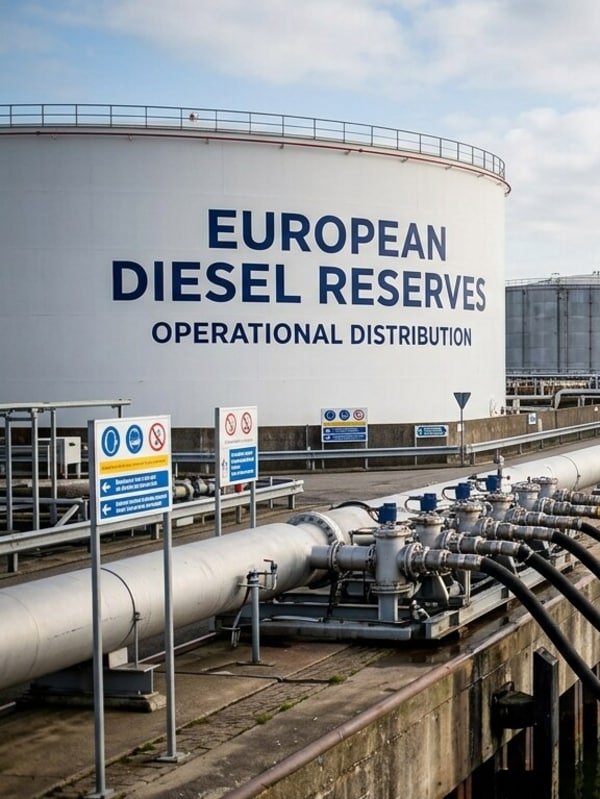
The Group of Seven (G7) nations have agreed to coordinate the release of up to 100 million barrels of diesel, crude oil and other fuel products from emergency reserves, in a major move aimed at easing pressure on global energy markets and addressing soaring fuel prices. The decision followed growing pressure from U.S. President Donald Trump for European countries to tap their strategic diesel stockpiles.
The coordinated release is expected to begin immediately and continue over a period of around four months. According to the G7 announcement, a substantial amount of diesel will be released during the first 20 days, making diesel supplies an immediate priority as governments attempt to respond to tight markets and elevated prices.
Trump had publicly urged European countries to release diesel from their reserves, arguing that heavily stocked emergency inventories should be used to increase supply in the market. The issue gained urgency amid concerns over rising energy costs and disruptions to global oil flows.
The G7 agreement came after an emergency video conference chaired by French President Emmanuel Macron. The meeting followed discussions between Macron and Trump over fuel supplies and energy prices. The agreement was subsequently announced as a coordinated effort involving G7 members and partners through the International Energy Agency (IEA).
The plan covers both diesel and crude oil. While diesel can be released directly from fuel inventories, crude oil would need to be processed by refineries before it becomes diesel or other petroleum products. This means the speed and scale of the impact on fuel availability will depend partly on refinery capacity, logistics and the type of crude released.
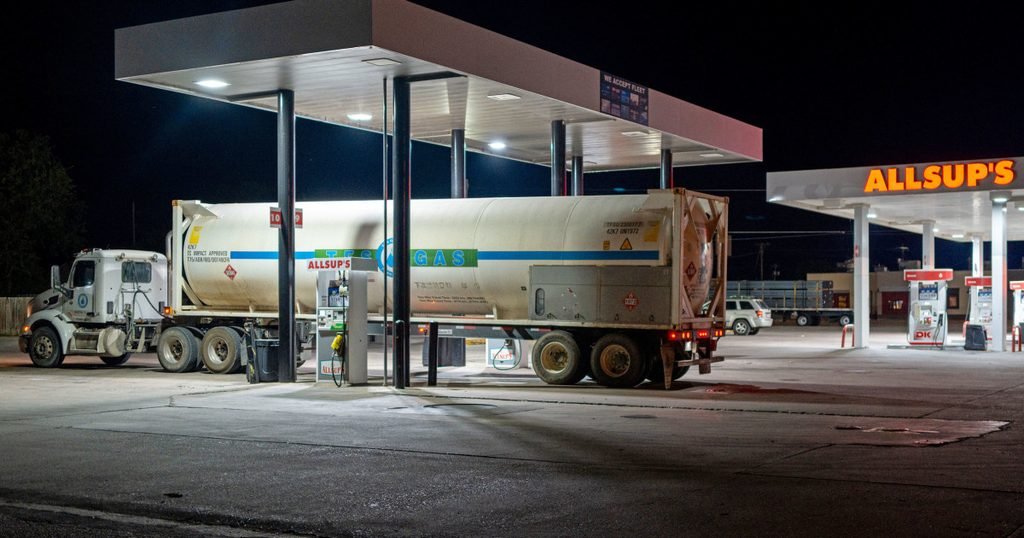
The announcement comes at a time when diesel prices have climbed sharply in both the United States and Europe. Rising energy costs have added pressure on consumers, transport operators, industries and businesses that depend heavily on diesel fuel.
Europe has also faced concerns about maintaining adequate fuel supplies ahead of the winter season. The region’s dependence on imported refined products has made supply disruptions particularly significant for energy markets.
Trump had also raised the possibility of restricting U.S. diesel exports as part of efforts to address domestic fuel prices. European officials and energy-market participants had expressed concern that an American export restriction could further tighten global supplies and create additional competition for available diesel.
The G7 agreement therefore represents a coordinated attempt to increase available fuel supplies without imposing restrictions on energy trade among participating countries. The joint approach is also intended to reduce volatility in energy markets at a time when geopolitical tensions and disruptions to oil production and transportation have created uncertainty.
The release of emergency reserves is expected to provide additional supplies to the market in the short term. However, analysts and energy experts have pointed out that strategic stockpiles are a temporary resource. The longer-term stability of fuel markets will continue to depend on oil production, refinery operations, international trade routes and geopolitical developments.
According to reports, the G7 package also includes efforts related to refinery output and a commitment to avoid energy export restrictions among participating countries. The objective is to improve the flow of petroleum products and reduce some of the supply pressure affecting international markets.
The announcement initially had an impact on oil-market sentiment, with crude prices moving lower after news of the coordinated reserve release. However, the longer-term effect on petrol and diesel prices will depend on how quickly the reserves reach the market and how much of the released crude can be converted into usable refined fuel.
For consumers, the key question will be whether the additional supplies translate into lower diesel and transport costs. Governments and markets will closely monitor fuel prices during the coming weeks as the first phase of the reserve release begins.
The G7’s decision highlights the growing importance of strategic fuel reserves during periods of global supply disruption. It also demonstrates how major economies are coordinating energy policies when rising fuel prices begin to affect households, transportation networks and industrial activity.
With the first substantial diesel releases expected during the initial 20-day period, global energy markets are now watching closely to see how quickly additional supplies become available and whether the coordinated action can ease pressure on fuel prices.