

Travel is changing. A holiday is no longer simply about reaching a famous destination, taking a few photographs and returning home.
In 2026, travellers are increasingly looking for something more personal: learning a local skill, discovering regional food, extending a family celebration, finding an unexpected place or coming home with a story worth telling.
Recent travel trend research from American Express reflects this shift, describing today’s travellers as more intentional about how they spend their time away.
The Destination Is Only the Beginning
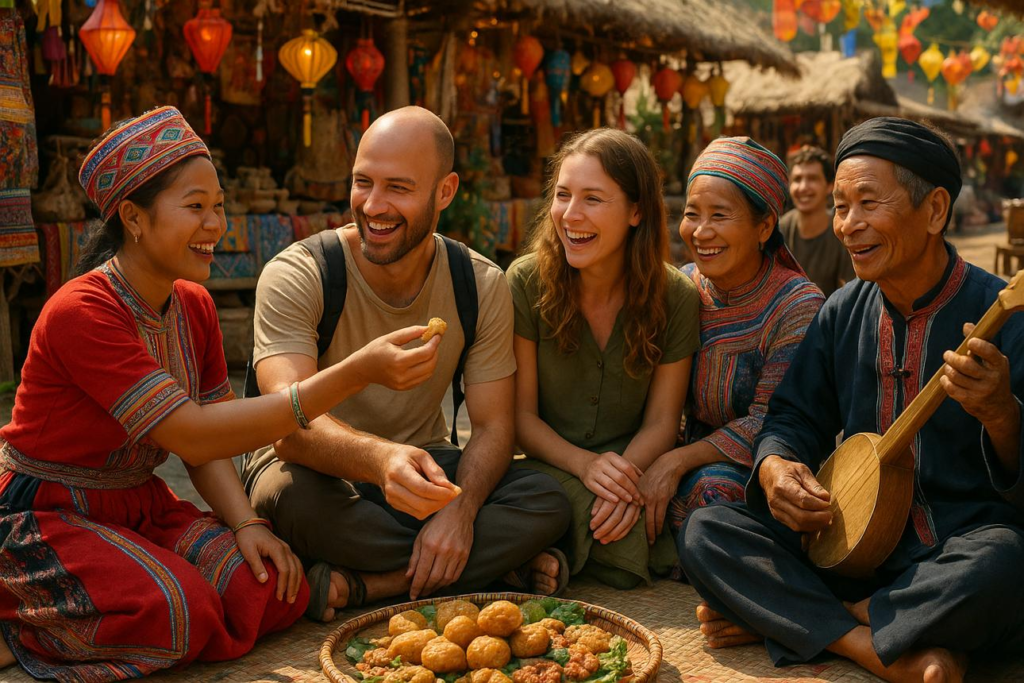
A beautiful destination still matters, but travellers are increasingly interested in what they can do once they arrive.
Instead of following a fixed list of famous attractions, people are looking for activities that help them understand a place more closely. This could mean joining a cooking class, learning a traditional craft, exploring a local market or taking part in an activity associated with the destination.
American Express calls this trend “Sight-Doing”—moving from simply seeing a destination to actively participating in it. Its 2026 research found strong interest among Millennials and Gen Z in local workshops and destination-specific activities.
Celebrations Are Becoming Travel Opportunities
Birthdays, weddings, anniversaries and family reunions can now become reasons to explore somewhere new.
Rather than travelling only for the main event, people are increasingly adding extra days before or after the celebration. American Express calls this “Miles on Milestones.” Its 2026 research found that 66% of global respondents planned to travel to celebrate someone else’s milestone, while many planned to extend the trip beyond the main occasion.
For travellers, this creates a chance to combine an important personal event with a proper holiday.
Offbeat Experiences Are Gaining Attention
There is also growing interest in places and experiences that feel less predictable.
Instead of visiting only the most photographed attractions, travellers are leaving space in their itineraries for unexpected discoveries. American Express describes this behaviour as “Lore Chasing”—collecting unusual experiences and stories that become part of the memory of a trip.
This could be an unplanned road stop, a conversation with a local, a little-known trail or an unusual place to stay.
The attraction is simple: people want to return home with a story, not just a checklist of destinations.
Local Food Is Becoming Part of the Journey
Food is no longer something travellers experience only when they sit down at a restaurant.
Local snacks, street food, bakeries, markets and regional products can provide a different way of understanding a destination.
American Express refers to this as “Snackpacking,” a travel habit centred on discovering places through their everyday food. Its research found strong interest among younger travellers in seeking out local snacks and regional foods while travelling.
For many travellers, a local sweet, street-food dish or unusual packaged snack can become as memorable as a famous landmark.
Learning Is Becoming Part of the Holiday
Travel is increasingly being combined with learning.
A visitor might return from a trip knowing how to prepare a regional dish, make a traditional craft or understand a local cultural practice.
This type of experience can make a holiday feel more meaningful because travellers are not simply observing another culture—they are participating in it. American Express reports that many travellers consider skills learned during trips more memorable than material souvenirs.
Unconventional Stays Are Adding to the Experience
Where travellers stay is also becoming part of the story.
Traditional hotels remain popular, but travellers are increasingly curious about accommodation that feels distinctive or connected to its surroundings. American Express found strong interest among younger respondents in unconventional accommodation, including luxury rail travel and converted historic spaces.
For some travellers, the accommodation itself can become one of the highlights of the trip.
Technology Helps—but Doesn’t Have to Control the Trip
Technology has made travel planning considerably easier.
Maps, booking platforms, digital payments, translation tools and travel apps can help people navigate unfamiliar places and organise journeys. But the 2026 trend toward spontaneity suggests that travellers do not necessarily want every minute planned.
Leaving some empty space in an itinerary can create opportunities for discoveries that were never part of the original plan. American Express reports that 87% of global respondents like leaving room for unexpected local discoveries.
India Fits the Experience-First Travel Movement

This shift is particularly interesting for Indian travellers because India offers enormous scope for cultural, culinary and adventure-based experiences.
The 2026 American Express Trending Destinations list includes the Indian Himalayas, highlighting opportunities ranging from high-altitude landscapes and wildlife to Buddhist monasteries and cultural experiences in regions such as Ladakh, Sikkim and Dharamshala.
At the same time, JustWravel’s recent travel coverage continues to highlight offbeat Indian destinations, trekking, cultural experiences, local flavours and adventure travel.
This suggests that travellers do not necessarily need to go overseas to follow the new experience-led approach.
The Journey Is Becoming the Memory
Perhaps the biggest change is that travellers are becoming less focused on simply collecting destinations.
A memorable trip might now be defined by a meal at a small local shop, a conversation with a resident, an unexpected road journey, a new skill or an unplanned adventure.
That makes travel more personal.
What Travel in 2026 Is Really About
The biggest travel trend of 2026 may not be a particular destination or type of holiday. It is a change in what people expect from travelling.
They want to participate rather than simply observe. They want to taste local flavours, learn something new, explore beyond the obvious attractions and create memories that feel unique to them.
The destination still matters but increasingly, the experience is what makes the journey worth remembering.
For the modern traveller, the best souvenir may therefore be neither a photograph nor something bought from a gift shop. It may simply be a story that could only have happened because they went there.