
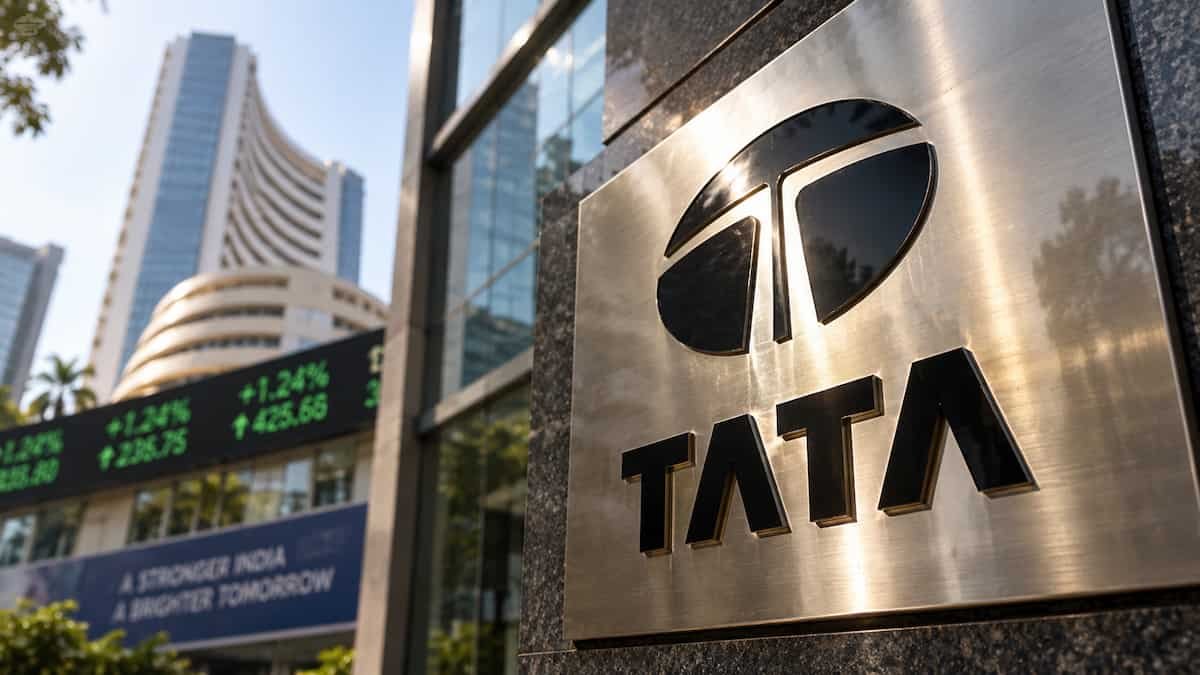
The question of whether Tata Sons should go public has once again become a major talking point in India’s corporate and financial circles. As the principal holding company of the Tata Group, Tata Sons occupies a unique position within one of India’s most recognised business conglomerates.
The debate is not simply about launching an initial public offering (IPO). A public listing could have wider implications for corporate governance, transparency, investor participation and the way the Tata Group’s holding structure is viewed by the market.
A Tata Sons IPO would potentially attract enormous attention from investors because of the company’s association with the wider Tata Group. The group has interests across sectors including automobiles, technology, consumer products, steel, aviation and other major industries.
For investors, a public listing could provide greater visibility into the financial performance and value of Tata Sons. It could also create an opportunity for the wider market to participate more directly in the holding company.
However, taking Tata Sons public would also involve significant regulatory and structural considerations.The Reserve Bank of India (RBI) has regulations governing certain large non-banking financial companies and their corporate structures. These rules have contributed to discussions surrounding the future structure and listing requirements of major holding companies.
Any decision involving Tata Sons would therefore need to take into account regulatory requirements, shareholder interests and the broader architecture of the Tata Group.
The issue is particularly significant because Tata Sons is not an ordinary operating company. Its role as the holding company of the group means that changes to its ownership or listing structure could have implications across several Tata businesses.
If Tata Sons were eventually listed, investors would likely closely examine the company’s underlying assets, investments and governance structure.A public listing could improve transparency because listed companies are subject to extensive disclosure requirements. Regular financial reporting and greater scrutiny from shareholders and market participants could provide additional information about the company.
At the same time, a listing could bring new expectations from public-market investors. The company would need to balance long-term strategic objectives with the expectations that generally accompany a publicly traded business.
The debate over whether Tata Sons should go public is ultimately about more than share-market valuation. It raises questions about how large business groups should balance legacy, control, transparency and modern corporate governance.
For the Tata Group, which has a distinctive ownership and philanthropic structure, any major change would require careful consideration.Whether Tata Sons eventually chooses the public-market route or continues with its existing structure remains a closely watched question. For now, the discussion itself reflects growing interest in the future of one of India’s most influential corporate groups.