
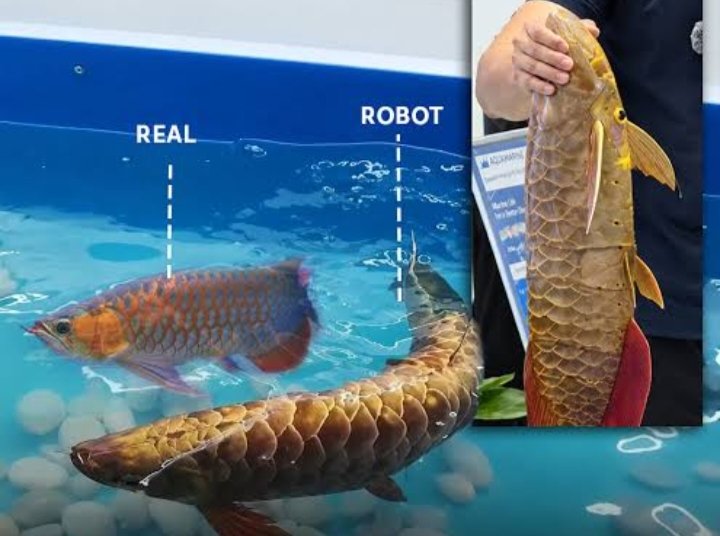
Scientists and engineers are developing a new generation of robotic fish designed to move through water in a way that closely resembles real fish. A viral video showing a fish-shaped underwater robot swimming autonomously has attracted attention online, particularly because of its ability to potentially coordinate movement with other robotic fish.
Unlike traditional underwater robots that often rely on rigid movements or propellers, fish-inspired robots use flexible body and tail movements to navigate through water. This biomimetic approach is designed to make underwater movement more efficient and potentially less disruptive to aquatic environments.
One of the most interesting features highlighted by the viral footage is autonomous swimming. Such robotic systems can be equipped with sensors, onboard computing and communication technologies that allow them to navigate without continuous human control.
Researchers are also exploring how multiple robotic fish could work together. By sharing information about their position and movement, groups of robots may be able to travel in coordinated formations, similar to the schooling behavior observed in real fish.
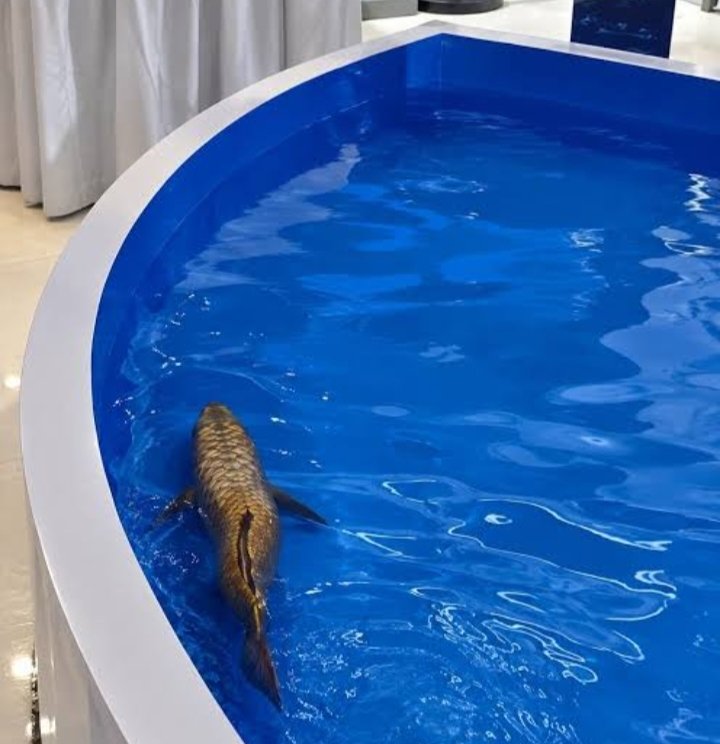
This technology could have applications in underwater research, environmental monitoring, marine observation and ocean exploration. Robotic fish could potentially collect information about water quality, underwater ecosystems and marine habitats while reducing the need for large underwater vehicles.
The development of autonomous underwater robots is part of a wider effort to create machines capable of operating in challenging environments where conventional robots may have limitations. Fish-inspired designs are particularly interesting because aquatic animals have evolved highly efficient ways of moving through water.
However, the capabilities of any specific robotic fish shown in a viral video should be distinguished from established research results. Demonstration footage may show a prototype or controlled experiment, and not necessarily a commercially deployed system.
As underwater robotics continues to advance, autonomous robotic fish and coordinated robot swarms could become an important area of research, combining artificial intelligence, robotics, sensors and marine science.