
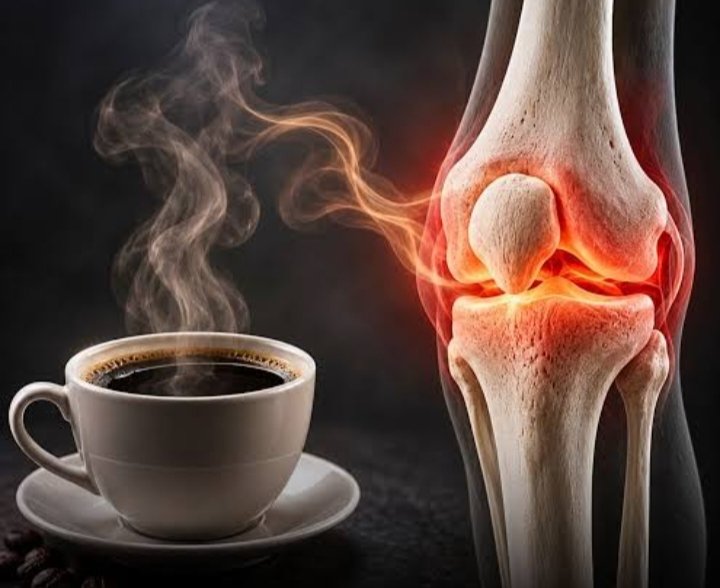
For millions of people, coffee is an essential part of the daily routine. A morning cup can help improve alertness and concentration, while an additional cup during the day may provide another energy boost. However, concerns are increasingly being raised about whether consuming too much caffeine could have long-term effects on bone health.
Some health reports have highlighted a potential connection between high caffeine consumption and reduced bone strength. In particular, consuming more than 300 mg of caffeine per day has been associated in some research with changes in bone metabolism and a possible increase in fracture risk over time.
The amount of caffeine in a cup of coffee can vary significantly depending on the type of coffee, serving size and brewing method. Therefore, people who drink several cups a day may unknowingly consume a substantial amount of caffeine.
One concern surrounding high caffeine intake is its possible effect on calcium balance. Calcium is essential for maintaining strong bones and supporting the body’s skeletal structure. Some research suggests that caffeine can modestly increase calcium loss through urine.
For people who already have low calcium intake, this could become more relevant over the long term. If calcium consumption is consistently inadequate, the body may struggle to maintain optimal bone mineral density.However, this does not mean that drinking coffee automatically causes weak bones. Bone health is influenced by many factors, including age, genetics, physical activity, vitamin D status, calcium intake, smoking, alcohol consumption and certain medical conditions.
A 300 mg daily intake is not necessarily dangerous for every healthy adult. Caffeine tolerance differs from person to person, and the amount contained in coffee varies widely.
For example, a large brewed coffee may contain considerably more caffeine than a smaller serving. Tea, energy drinks, cola, chocolate and some medicines can also contribute to a person’s daily caffeine intake.Therefore, people should consider their total daily caffeine consumption, rather than counting only cups of coffee.
People concerned about osteoporosis or fractures may want to discuss their caffeine intake with a healthcare professional. This can be particularly important for older adults and individuals who have other risk factors for reduced bone density.Maintaining adequate calcium and vitamin D intake, engaging in regular weight-bearing exercise and following a balanced diet are important parts of protecting bone health.
For most people, the message is not necessarily to stop drinking coffee completely. Instead, moderation may be the more practical approach.If you regularly consume several cups of coffee, checking the caffeine content and ensuring adequate calcium and vitamin D in your diet can be sensible steps. Anyone with a history of osteoporosis, frequent fractures or other bone-related concerns should seek individualized medical advice.
The relationship between caffeine and bone health is more complicated than simply saying that coffee causes bone loss. High caffeine intake may be one factor worth considering, particularly when calcium intake is low. Moderating caffeine consumption and maintaining good nutrition and physical activity can help support overall bone health.