
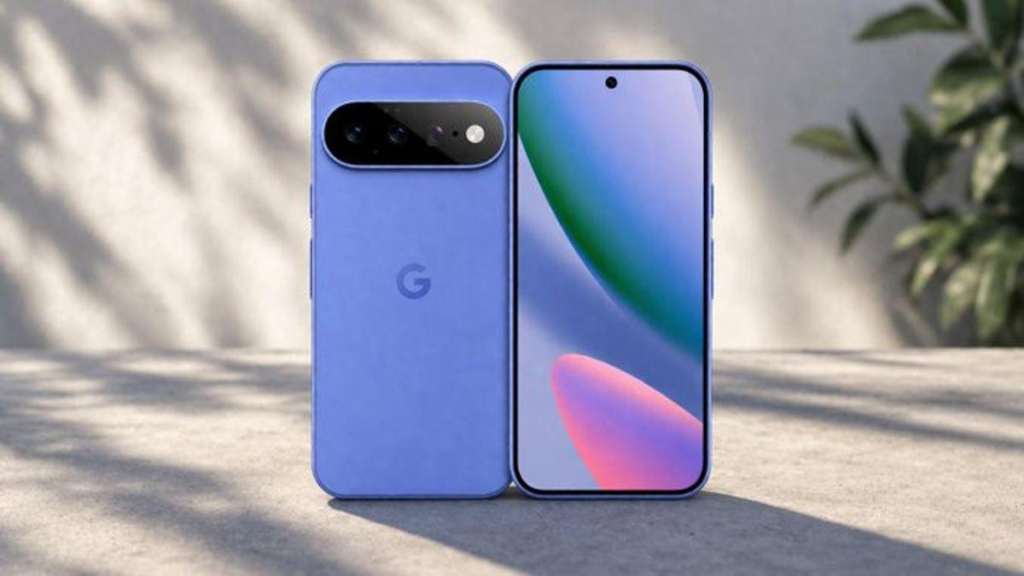
Google is making a clear statement about the future of smartphones with its new Pixel 11 lineup: artificial intelligence is no longer just an extra feature—it is becoming a core part of the Android experience.
Unveiled at the company’s Made by Google 2026 event, the Pixel 11 family puts Google’s Gemini AI at the centre of the user experience. Alongside the new smartphones, Google introduced a range of AI-powered capabilities designed to make phones more proactive, personalized and useful in everyday situations.
Gemini Becomes a Bigger Part of the Phone
The biggest change with the Pixel 11 series is not necessarily the exterior design but what happens inside the software.
Google has integrated Gemini more deeply into the Pixel experience, allowing AI to assist with tasks, communication and other everyday activities. The company is increasingly moving toward a smartphone that can understand what users are doing and offer assistance at the right moment instead of simply waiting for commands.
This approach reflects a broader shift across the smartphone industry, where AI is becoming a major differentiator between new devices.
Tensor G6 Powers the New AI Experience
The Pixel 11 series is powered by Google’s new Tensor G6 processor. Google says the chip is designed to handle AI tasks more efficiently, including on-device Gemini capabilities.
Keeping more AI processing on the phone can also reduce the need to send certain tasks to remote servers, potentially improving responsiveness while giving Google greater control over the Pixel software experience.
Google has paired the processor with its new Titan M3 security chip, which is designed to protect sensitive information and strengthen device security. The company is also highlighting protection against emerging threats, including future risks associated with quantum computing.
AI Is Moving Beyond Simple Voice Commands
The Pixel 11 represents Google’s attempt to make AI more proactive.
Instead of treating Gemini like a conventional voice assistant that only responds to questions, Google is pushing toward an assistant capable of helping with tasks based on context. Features demonstrated around the new Pixel generation include smarter communication tools, photography assistance and AI-supported everyday actions.
This could eventually change how people interact with smartphones. Rather than opening an app, searching for a function and then completing several steps, users could increasingly describe what they want and let AI handle more of the process.
Photography Gets an AI Upgrade
Google’s Pixel phones have long been known for computational photography, and the Pixel 11 continues that strategy.
New software features include tools such as Magic Capture and additional AI-powered camera capabilities designed to make it easier to create, edit and improve photos and videos.
The approach shows how Google is using AI not only for chat and productivity but also for one of the most important smartphone functions: the camera.
A Different Definition of a Smartphone
The Pixel 11 launch suggests that Google sees the next stage of smartphone development as being driven less by dramatic hardware changes and more by intelligent software.
The company’s strategy is straightforward: combine custom hardware, Android, Gemini and Google’s ecosystem so that the phone can become more helpful without requiring users to constantly search through menus and applications.
That could eventually turn smartphones into more proactive digital assistants rather than devices that simply run individual apps.
The Bigger Android Picture
Google’s AI strategy could have an impact well beyond Pixel devices. As Gemini becomes increasingly integrated into Android, features introduced on Pixel could influence how users expect AI to work across the wider Android ecosystem.
The competition is also intensifying. Smartphone manufacturers are increasingly building AI into cameras, messaging, productivity tools and system-level functions, making AI one of the defining battlegrounds of the mobile industry.
For Google, Pixel provides a platform where it can control both the hardware and software and demonstrate what an AI-first Android experience could look like.
What Comes Next?
The Pixel 11 generation is an important step in Google’s broader smartphone strategy. The company is not simply trying to make another faster phone; it is attempting to make the device more aware of the user’s needs.
Whether consumers embrace this approach will depend on how useful these AI features become in real-world situations. If they genuinely save time and reduce repetitive tasks, AI could become one of the most valuable smartphone upgrades in years.
For now, Google’s message is clear: the next major evolution of Android may be less about what the phone can physically do and more about how intelligently it can help its user.