
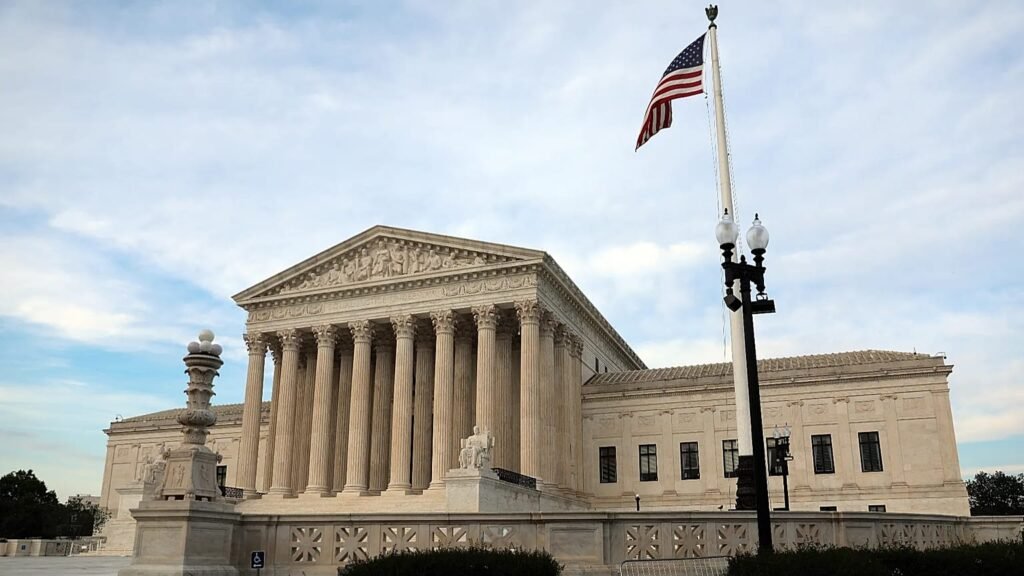
The U.S. Supreme Court has rejected the Trump administration’s attempt to revive new restrictions on mail-in voting ahead of the 2026 midterm elections, delivering a major setback to the administration’s effort to change how mail ballots are handled across the country.
The ruling keeps lower-court restrictions in place and allows states to continue sending mail ballots under the procedures they have traditionally used. The decision comes at a critical moment, with voting activity for the November midterm elections already beginning in some states.
The Trump administration had asked the Supreme Court to allow new U.S. Postal Service requirements governing mail-in ballots. The proposed system included additional requirements for ballot envelopes and voter information, with the Postal Service potentially refusing to deliver ballots that did not satisfy the new standards.
The administration argued that the measures were necessary to strengthen election procedures and address concerns surrounding mail voting. Opponents, however, argued that the changes came too close to the election and could create confusion or prevent legitimate ballots from being processed.
The Supreme Court’s latest action means those restrictions cannot take effect for the upcoming midterm elections while the legal battle continues.Mail-in voting has become an important part of the American electoral system. According to reports, nearly one-third of votes are cast through mail in some recent elections, making any last-minute change potentially significant for voters and election officials.
Election officials had also warned that implementing a completely new system only weeks before the midterms could create logistical difficulties. Several states had already begun sending mail ballots while the legal dispute was still unfolding.The Supreme Court’s decision therefore provides states with greater certainty as they prepare for the November elections.
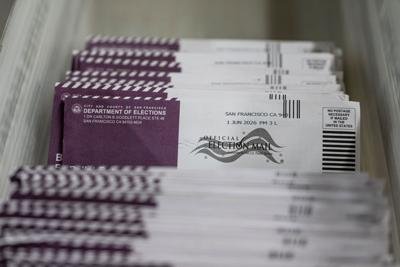
The latest ruling represents another legal obstacle for President Donald Trump’s administration on mail voting.Trump has repeatedly criticised mail-in voting and has pushed for tighter rules governing the process. His administration’s proposed changes sought to give the federal government and Postal Service a greater role in determining how ballots are handled.However, Democratic-led states and voting-rights organisations challenged the measures, arguing that the federal government was exceeding its authority and that the changes could interfere with state-administered election systems.The legal fight has already involved several courts. A federal judge previously blocked the Postal Service rules, while another federal judge issued a similar injunction shortly before the Supreme Court considered the administration’s appeal.
The proposed rules included requirements involving voter lists, ballot envelopes and barcode-related procedures. States using the postal system for federal ballots would have faced additional requirements before ballots could be processed through USPS.Critics warned that technical or administrative problems could result in valid ballots being delayed or rejected. The administration maintained that the measures were intended to improve election administration.The Supreme Court’s latest ruling does not necessarily end the broader legal debate over federal authority and mail voting. Instead, it prevents the contested restrictions from being implemented for the upcoming midterm elections at this stage.
The 2026 U.S. midterm elections are expected to be closely watched because control of Congress is at stake. With voting preparations already underway, election officials are seeking stability rather than major changes to established procedures.The Supreme Court’s decision means voters who use mail ballots can continue to rely on the existing state-level systems for the upcoming election, rather than immediately facing the new federal requirements proposed by the Trump administration.The ruling is likely to keep election rules, voting access and the balance between federal and state authority at the centre of America’s political debate as the midterms approach.
The dispute over mail ballots is part of a much broader political argument in the United States about election security, voting access and federal control of elections.While the Supreme Court’s decision provides immediate clarity for the 2026 midterms, future challenges over mail voting rules could continue. The latest development is therefore significant not only for this year’s election but also for the wider debate over how elections should be administered in the United States.For now, however, Trump’s proposed mail-ballot restrictions will not be implemented for the 2026 midterm elections, leaving existing state procedures in place.z