
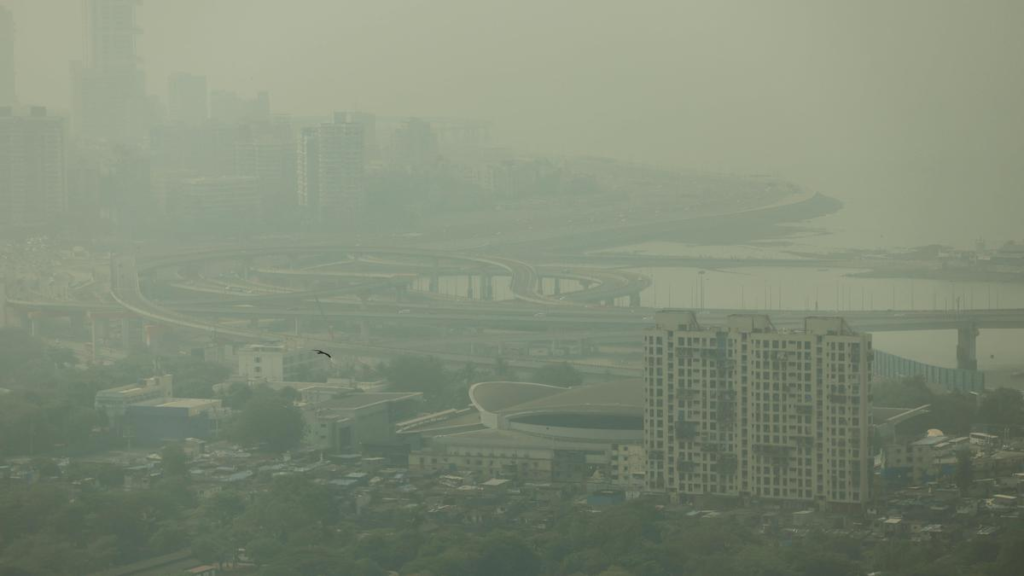
India’s worsening air pollution problem requires the same urgency and coordinated government response that the country demonstrated during the COVID-19 pandemic. Although pollution is often treated as a seasonal concern, its effects extend throughout the year, affecting millions of people and increasing the risk of serious health conditions.
The State of Global Air 2025 report attributed more than two million deaths in India in 2023 to air pollution. Health experts believe that stronger political leadership, scientific monitoring and long-term preventive measures are essential to address the crisis.
1. Air Pollution Is More Than a Respiratory Problem
Like COVID-19, air pollution enters the human body through breathing. Harmful particles and toxic gases can affect several organs, including the lungs, heart and brain.
Long-term exposure has been associated with cardiovascular diseases, strokes, chronic respiratory conditions, lung cancer and diabetes. Research has also identified links with certain neurological conditions.
Children, pregnant women, older people and outdoor workers face particular risks. Poorer communities are often more vulnerable because they have fewer resources to protect themselves from polluted environments.
2. India Needs Stronger Government Coordination
One important lesson from the pandemic was that a public health emergency requires cooperation between different government departments.
Air pollution cannot be controlled through environmental policies alone. Ministries responsible for health, transport, agriculture, energy and urban development must work together.
The National Clean Air Programme (NCAP), launched in 2019, needs stronger implementation, dedicated funding and measurable annual targets. Its success should be judged by improvements in air quality and public health rather than simply the number of restrictions introduced.
3. Better Monitoring and Transparent Reporting Are Essential
India needs a stronger system connecting air-quality information with public health data.
Monitoring the Air Quality Index (AQI) alone cannot provide a complete picture of pollution-related health problems. Authorities should also examine PM2.5 levels, weather conditions, hospital admissions, respiratory emergencies and pollution-related deaths.
Public dashboards showing emission reductions, government expenditure and health outcomes could improve transparency and make authorities more accountable for their performance.
4. Pollution-Control Funding Needs Better Planning
The allocation of financial resources is another important concern. A January 2026 assessment by the Centre for Research on Energy and Clean Air found that approximately ₹13,415 crore had been released through the NCAP and associated Finance Commission funding, with around 74% utilised.
Of the reported expenditure, approximately 68% went towards road-dust management, 14% towards transport and 12% towards waste management and biomass burning. Industry and household fuel use each received less than 1%.
The editorial argues that greater attention should be given to major sources of harmful fine particles, including industrial emissions, transport and household fuel combustion.
5. Temporary Restrictions Cannot Replace Long-Term Solutions
Emergency measures under the Graded Response Action Plan (GRAP) can help during severe pollution episodes, but they cannot solve the underlying problem.
India needs year-round pollution-control strategies involving cleaner energy, better public transportation, stricter industrial emission standards and improved waste management.
Urban planning should also encourage walking and cycling while reducing dependence on highly polluting transport systems.
6. Stronger Standards and Public Participation Can Improve Air Quality
India’s annual average PM2.5 standard is 40 micrograms per cubic metre, compared with the World Health Organization’s guideline of 5 micrograms per cubic metre.
A phased approach towards stricter air-quality standards, supported by scientific research and effective enforcement, could improve public health protection.
Public participation is equally important. However, responsibility should not be placed entirely on individuals through advice to wear masks or use indoor air purifiers. Governments must focus on reducing pollution at its sources, particularly to protect vulnerable communities.
The COVID-19 pandemic demonstrated the importance of scientific planning, political commitment and coordinated action during a health emergency. Applying these lessons to air pollution could help India move towards cleaner air, healthier communities and more sustainable development.