
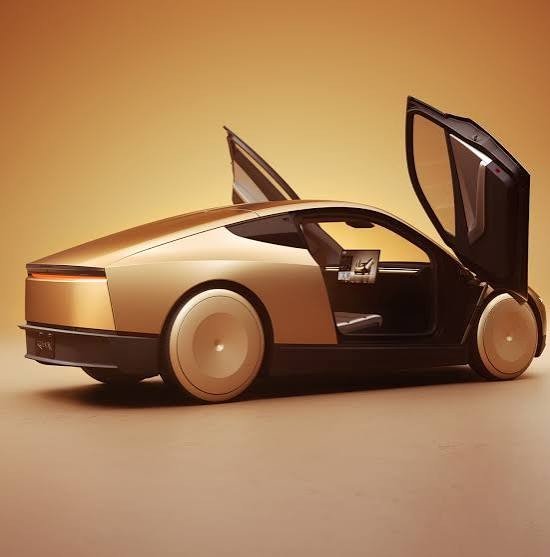
Tesla’s Cybercab robotaxi is designed without a steering wheel or pedals, placing driving responsibility entirely on its autonomous system. Limited rides in Austin have drawn attention to the vehicle’s futuristic cabin and raised questions about safety and regulation.
The two-seat electric vehicle uses touchscreen controls for passenger requests and includes an overhead STOP button. Mechanical door releases and an in-car communication system are intended for emergencies. The cabin also includes entertainment and climate controls.
The National Highway Traffic Safety Administration is examining Tesla’s self-certification of the Cybercab and whether the vehicle fits existing Federal Motor Vehicle Safety Standards. Many current rules were written for cars with conventional controls.
Robotaxis could reduce risks linked to tired, distracted or impaired driving and improve mobility for some passengers. However, autonomous vehicles still have to handle unusual obstacles, road conditions and emergency situations that are difficult to predict.
The Cybercab is therefore also a test of regulation. Its future may depend not only on Tesla’s software, but on whether safety rules can adapt to vehicles that operate without traditional driver controls.