
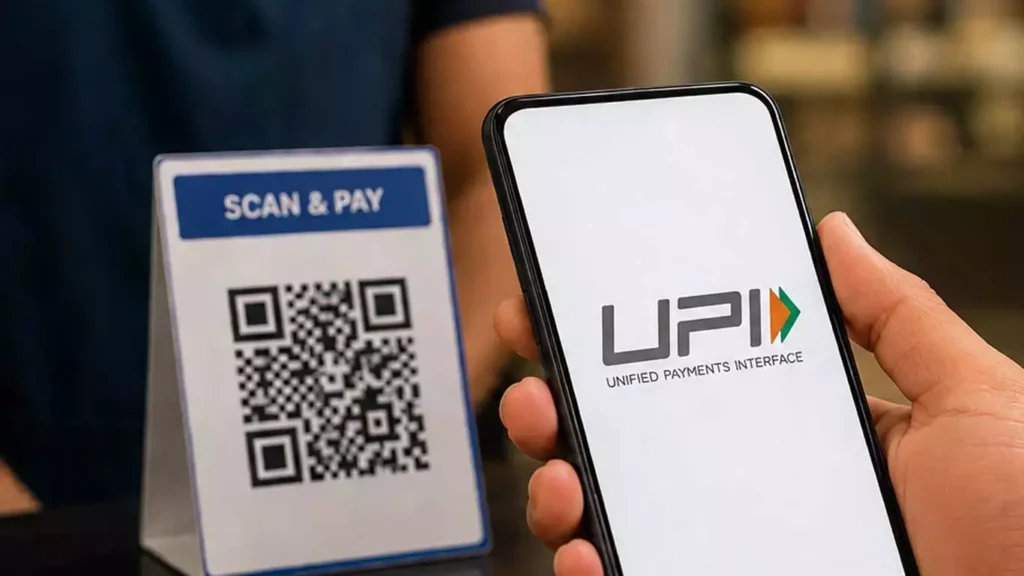
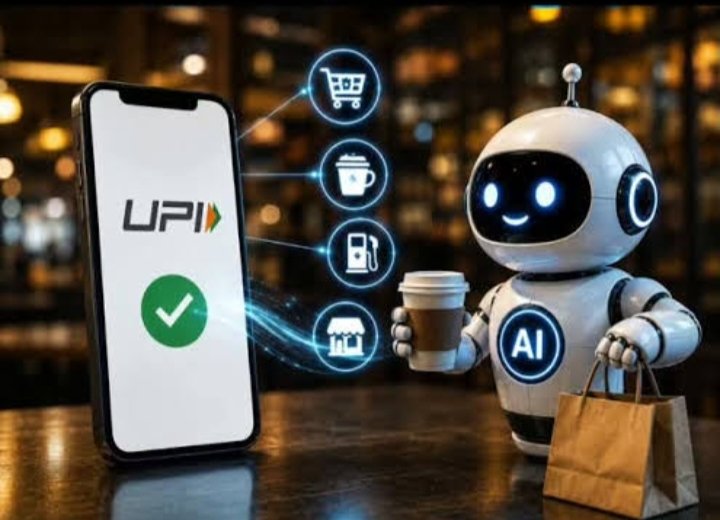
India is preparing a new framework that could allow AI agents to make small-value UPI payments without requiring users to approve every individual transaction. The proposed system is aimed at making digital payments faster and more convenient as artificial intelligence becomes increasingly integrated into everyday financial services.
Under the emerging framework, users could potentially authorise AI agents to carry out specific low-value payments within predefined limits. Instead of manually confirming every transaction, an AI agent could handle routine payments on the user’s behalf.
The move could mark a significant development in India’s digital payments ecosystem, particularly as UPI continues to expand into automated and AI-driven financial services. However, safeguards around transaction limits, user consent, security, fraud prevention and accountability will be crucial before such a system is widely implemented.
The framework could also open the door to a new generation of AI-powered personal assistants capable of managing routine digital payments, while regulators and payment platforms work to ensure that convenience does not come at the cost of financial security.
The development comes as artificial intelligence becomes increasingly connected with financial technology and digital services. With UPI already playing a major role in India’s cashless economy, integrating AI agents could further transform how people interact with payment systems.
However, security, consent and fraud prevention are expected to remain key concerns. Clear transaction limits, authentication mechanisms and safeguards could be necessary to prevent unauthorised payments and misuse of AI-powered systems.
If implemented, the framework could represent an important step towards agentic payments in India, where AI systems can perform selected financial tasks on behalf of users while operating within boundaries set by them.
The proposed approach could eventually make digital payments more automated, but its success will depend on balancing convenience with strong consumer protection and financial security.