

Marriage in India has traditionally been viewed as more than a relationship between two people. It has often involved families, social expectations, traditions and ideas about when people should settle down.
That picture is gradually changing.
For many Indians, relationships are becoming more personal and less tied to a fixed timeline. People are increasingly thinking about compatibility, emotional connection, financial independence and individual goals before deciding whether—and when—to marry. Recent reporting and research point to a broader shift in how Indians approach love, marriage and companionship.
Marriage Is Happening Later
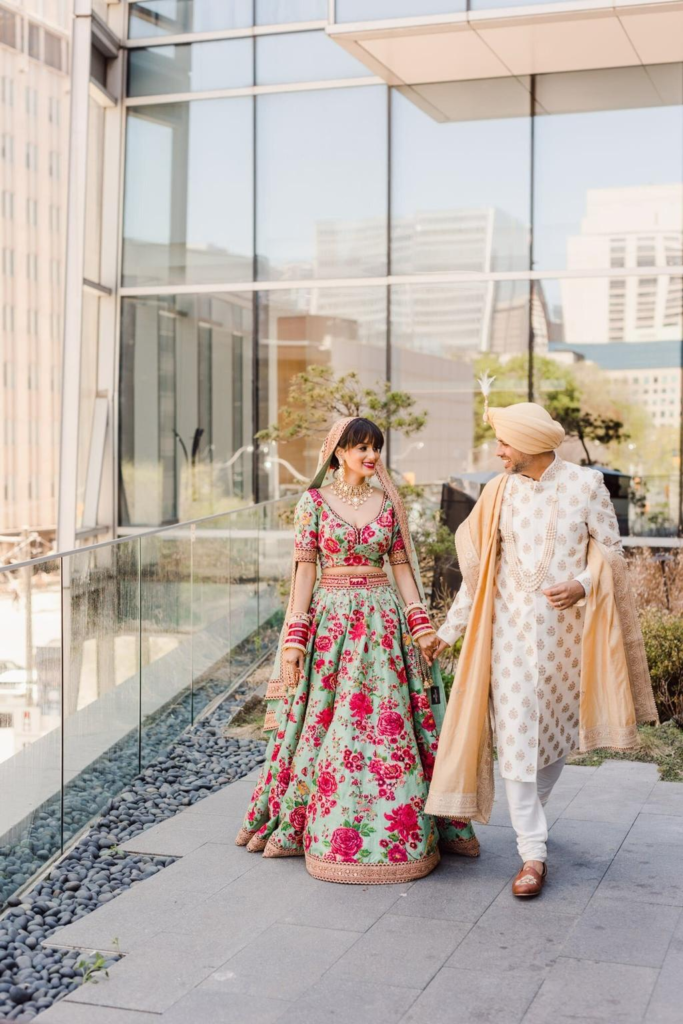
One of the clearest changes is the growing acceptance of marrying later in life.
Education, careers, financial planning and personal development can all influence when someone feels ready for marriage. Rematch’s review of changing marriage patterns in India notes that later marriage is increasingly connected with changing social expectations and greater individual choice.
The idea that everyone should follow the same relationship timeline is therefore becoming less rigid.
For some people, waiting longer can mean having a clearer understanding of what they want from a partner and from married life.
Compatibility Is Becoming More Important
The definition of a successful relationship is also changing.
Instead of focusing only on family background, social status or traditional expectations, many people increasingly consider personality, communication, shared values and lifestyle compatibility.
Rematch’s discussion of changing relationships among younger Indians highlights the influence of education, technology, career priorities and changing social behaviour on partner choices.
This does not mean traditional considerations have disappeared. Rather, they are increasingly being balanced with individual preferences.
The Dating Landscape Has Become Digital
Technology has transformed the way people meet.
Dating and matchmaking platforms allow people to connect beyond their immediate social circles, making location and traditional introductions less important than they once were. Rematch notes that online dating has expanded significantly in India and has changed how people make first connections.
For younger generations especially, a relationship may begin with a message or online profile rather than a family introduction or chance meeting.
That has created a new set of expectations around communication, first impressions and compatibility.
The Meaning of a Relationship Is Becoming More Flexible
Traditional marriage is no longer the only relationship format being discussed openly.
Live-in relationships, for example, have become more visible, particularly in urban India. Rematch describes growing discussion around cohabitation and changing attitudes among younger people, although social acceptance remains uneven.
Other couples may choose marriage but delay having children, while some decide not to have children at all. These choices can reflect career plans, financial considerations, personal priorities or simply a different idea of what a fulfilling life looks like.
Women Are Having More Choice
Another important part of the changing relationship landscape is women’s growing independence.
Recent reporting shows an increase in the proportion of Indian women who remain unmarried, alongside greater emphasis on education, careers, financial independence and personal wellbeing.
This does not mean that women are rejecting relationships altogether. Instead, it suggests that marriage is increasingly being treated as a choice rather than an unavoidable milestone.
For some, finding the right relationship may be more important than entering one quickly.
Friendship Is Becoming Part of Partnership
Modern couples are also placing greater value on companionship.
A partner may be expected to be a spouse, but also a close friend, emotional supporter, travel companion and someone with whom everyday life can be shared.
This helps explain why qualities such as communication, humour, shared interests and emotional comfort are increasingly important when people think about long-term relationships.
The idea of being able to genuinely enjoy ordinary life together can matter just as much as the traditional milestones associated with marriage.
Second Chances Are Becoming More Visible

Relationships are also being viewed differently after divorce or separation.
Rematch’s coverage of second marriages notes that remarriage can involve complex family relationships, previous partners and, in some cases, children. At the same time, it can offer people another opportunity for companionship and a fresh start.
The growing visibility of second relationships contributes to a broader shift: a person’s romantic history does not necessarily have to determine their future.
Generational Differences Are Becoming Clearer
The transition is not happening at the same pace everywhere.
Older generations may place greater importance on traditional family structures, while younger adults are more likely to prioritise personal autonomy and individual compatibility. Research discussed by Rematch describes these differences as part of a wider generational transformation in Indian family and relationship patterns.
This can sometimes create disagreements between parents and adult children about marriage, dating, career choices and when someone should settle down.
But it can also lead to new conversations between generations.
Social Expectations Are Changing—But Not Disappearing
Despite these changes, traditional expectations remain influential.
Questions about marriage, children, family approval and social reputation continue to affect many people’s decisions. Acceptance of relationships outside traditional patterns also varies considerably across communities and regions.
So India’s relationship culture is not simply moving from “traditional” to “modern.”
Instead, the two are increasingly existing side by side.
A More Personal Definition of Love
The biggest change may be that Indians are gradually gaining more room to define relationships on their own terms.
For one person, that might mean marrying young and building a traditional family. For another, it could mean marrying later, remaining single, choosing a live-in relationship, focusing on a career or finding companionship after a previous marriage.
There is no single path that defines modern relationships.
The New Relationship Landscape
India’s ideas about love and marriage are changing alongside its cities, workplaces, technology and family structures.
Marriage is still an important part of Indian society, but the expectations surrounding it are becoming more flexible. People are increasingly asking not simply “When should I get married?”, but “What kind of relationship do I actually want?”
That shift—from following a prescribed timeline to making more personal choices—could be one of the most significant changes in India’s modern relationship culture