
When you’re focused on fitness, it’s easy to concentrate on protein, calories and workout plans. But a strong nutrition routine needs more than those basics. The fruits and vegetables you put on your plate can provide fiber, vitamins, minerals and a wide range of plant compounds that help support your overall health.
One simple way to improve variety is to think in terms of color.
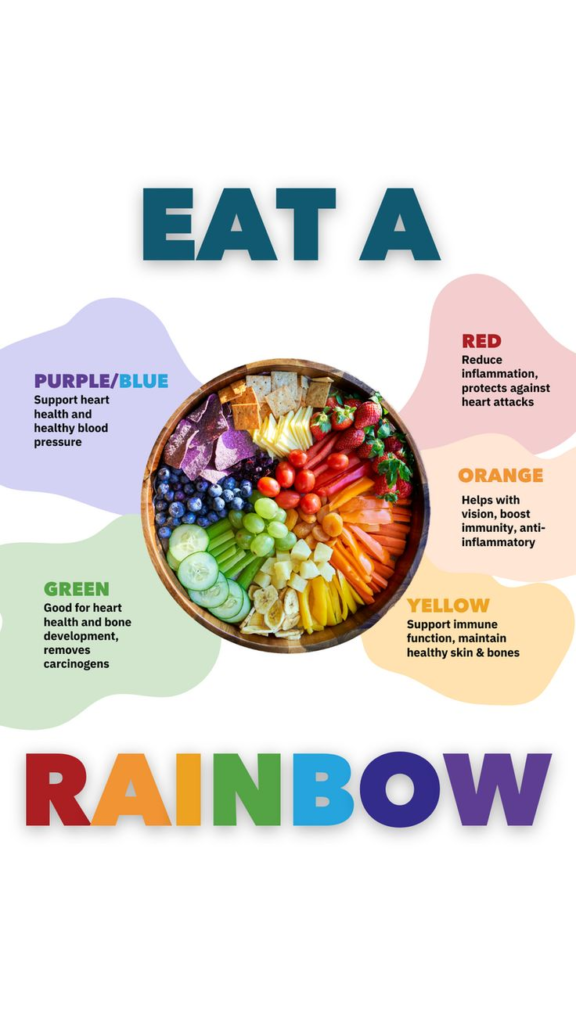
Red tomatoes, orange carrots, green broccoli, purple berries and white garlic don’t just make a meal look appealing. Their different colors often come from naturally occurring plant compounds called phytochemicals. Many of these compounds have antioxidant properties.
That makes a colorful plate a practical way to bring more variety into an everyday fitness diet.
What Are Antioxidants?
Antioxidants are substances that help protect cells from damage caused by unstable molecules known as free radicals. Your body has its own antioxidant defenses, while food can provide additional compounds that contribute to this protective system.
Fruits and vegetables are particularly valuable because they don’t provide just one nutrient. A varied selection can deliver fiber, vitamins, minerals and numerous plant compounds at the same time.
For someone who exercises regularly, this is important because good fitness nutrition is about supporting the body as a whole rather than searching for one “superfood.”
It’s also worth remembering that food color is only a guide. Not every nutrient or antioxidant can be identified simply by looking at a fruit or vegetable. Vitamin C, for example, is not itself a colored pigment, even though many vitamin-C-rich foods are brightly colored.
Why Variety Matters for Fitness Nutrition
Eating the same healthy foods every day may still provide nutritional benefits, but rotating different fruits and vegetables can expose your diet to a broader range of plant compounds.
Think of your plate as a collection of nutritional building blocks.
A meal containing leafy greens, tomatoes, carrots and berries provides a different combination of nutrients and phytochemicals than a meal made from only one type of vegetable.
You don’t need to eat every color at every meal. Instead, aim for variety throughout the day and across the week.
This approach can also make healthy eating less repetitive and easier to maintain.
Red Foods: A Source of Lycopene
Red produce such as tomatoes and watermelon can provide lycopene, a plant compound that has been associated with cardiovascular health and other potential health benefits.
For an active lifestyle, tomatoes can be an easy addition to meals such as salads, sandwiches, wraps, grain bowls and cooked dishes.
Other red fruits and vegetables can add additional nutrients and plant compounds, even when lycopene isn’t their primary antioxidant.
Try: tomatoes, watermelon, red peppers and other red produce.
Orange and Yellow Foods: Think Beyond Carrots
Orange and yellow fruits and vegetables can provide compounds such as beta-carotene and beta-cryptoxanthin.
Beta-carotene can be converted by the body into vitamin A, a nutrient involved in normal vision and immune function. Foods such as carrots, sweet potatoes, pumpkin and winter squash are useful sources.
Citrus fruits and yellow peppers can also add variety to your diet.
For fitness meals, roasted sweet potatoes or pumpkin can work well alongside a protein source and other vegetables, while fruit can provide a convenient addition to breakfast or snacks.
Try: carrots, sweet potatoes, pumpkin, oranges, yellow peppers and winter squash.
Green Foods: More Than Just a Salad
Green vegetables are a major part of many healthy diets, and some — particularly cruciferous vegetables — contain compounds such as sulforaphane, isothiocyanates and indoles.
Broccoli, Brussels sprouts, kale and cabbage are examples.
Other green foods, including spinach, green beans and avocados, contribute their own mix of nutrients and plant compounds.
Instead of treating vegetables as something you eat only when you’re trying to lose weight, make them a regular part of your meals. Adding spinach to eggs, broccoli to a rice bowl or vegetables to a sandwich can increase variety without requiring a major change to your eating routine.
Try: broccoli, spinach, kale, Brussels sprouts, cabbage, green beans and avocado.
Blue and Purple Foods: Add Some Color to Your Snacks
Deep blue and purple foods often contain anthocyanins, plant pigments associated with their distinctive color.
Berries such as blueberries and blackberries are convenient options, while grapes, plums and purple sweet potatoes can add more variety.
For people with active lifestyles, berries can be particularly easy to include in everyday meals. Add them to oatmeal, yogurt or a smoothie, or keep fresh or frozen berries available for a quick snack.
Try: blueberries, blackberries, grapes, plums and purple sweet potatoes.
White and Brown Foods Deserve a Place, Too
A rainbow diet shouldn’t leave out foods simply because they aren’t brightly colored.
Garlic, onions and leeks contain compounds such as allicin and flavonoids, while mushrooms and cauliflower offer their own nutritional profiles.
Garlic and onions can also make meals more flavorful without requiring heavy sauces or large amounts of added ingredients.
Try: garlic, onions, leeks, mushrooms and cauliflower.
Can Colorful Foods Help With Workout Recovery?
A common mistake in fitness nutrition is looking for one food or nutrient that will “speed up recovery.”
Recovery is much more complicated. Your body needs adequate energy, protein, fluids, carbohydrates, micronutrients and sleep, among other factors.
Colorful fruits and vegetables can be part of that bigger picture. They provide nutrients and plant compounds that contribute to overall health, while carbohydrates from fruits and starchy vegetables can also fit into an active person’s meal plan.
The goal isn’t to eat a huge quantity of antioxidant-rich foods immediately after exercising. Instead, build a consistently nutritious diet that supports your body before, during and after your training routine.
Whole Foods First
Antioxidant supplements may sound attractive because they promise concentrated amounts of specific compounds. However, food provides much more than an isolated antioxidant.
A tomato, for example, provides more than lycopene. Fruits and vegetables can contribute fiber, vitamins, minerals and a variety of plant compounds.
For that reason, building your diet around whole or minimally processed foods is generally a more useful strategy than depending on supplements to compensate for a diet lacking variety. The Houston Methodist nutrition guidance also emphasizes obtaining these compounds through foods rather than relying on supplements alone.
Simple Ways to Eat More Color
You don’t need an elaborate meal plan to make your diet more colorful.
Try a few simple changes:
- Add berries to oatmeal or yogurt.
- Put tomatoes and spinach into eggs or sandwiches.
- Keep sliced carrots or other vegetables available for snacks.
- Add broccoli or another green vegetable to lunch or dinner.
- Use colorful vegetables in wraps, bowls and salads.
- Choose a different fruit each week.
- Mix several vegetables into soups, stir-fries or pasta dishes.
- Add fruit to smoothies instead of relying on a single ingredient.
- Include vegetables as part of your regular post-workout meal.
The key is consistency rather than perfection.
Build Your Plate Around Variety
A fitness-friendly diet doesn’t have to be complicated. Start with a balanced meal and look for opportunities to increase plant-food variety.
For example, a simple meal could include:
Protein: grilled chicken, eggs, beans, tofu or fish
Carbohydrate: brown rice, potatoes, whole grains or another carbohydrate source
Vegetables: broccoli, peppers and leafy greens
Fruit: berries, orange or another seasonal choice
Healthy fat: avocado, nuts, seeds or an appropriate cooking oil
This kind of approach gives you more than a single antioxidant. It creates a broader nutritional foundation that can complement regular exercise.
The Bottom Line
Eating for fitness isn’t only about counting protein or following a strict meal plan. The quality and variety of the foods you eat matter too.
Color can be a simple visual reminder to diversify your fruit and vegetable choices. Red, orange, yellow, green, blue, purple, white and brown foods can each bring different plant compounds and nutrients to the table.
You don’t have to make every meal perfect. Instead, gradually add more variety to your normal routine.
A colorful plate won’t replace a good workout, adequate protein, proper hydration or quality sleep — but it can be an easy way to build a more nutrient-rich diet that supports an active lifestyle.